
The Architecture of Intent
A Critical Lexicon
This collection of studies is the intellectual architecture of Post-Luxury Conceptual Functional Art (PLCFA).
The true artistry of this Maison resides not in the finished form, but in the rigorous thinking that precedes it. These essays serve as the conceptual foundation for PLCFA, using a critical lens to interrogate cultural phenomena, art history, and consumer paradigms—analyzing everything from the ephemeral spectacle of luxury to the pure architectural rigor of abstract principles.
This is an invitation into the workshop of the mind. By sharing this process, we validate the necessity of a new category of value and invite you toward a well-considered life, one founded on true craft, uncompromising narrative, and durable meaning.
New to PLCFA? Begin with Essential Reading below.
Exploring a specific area? Navigate by category.
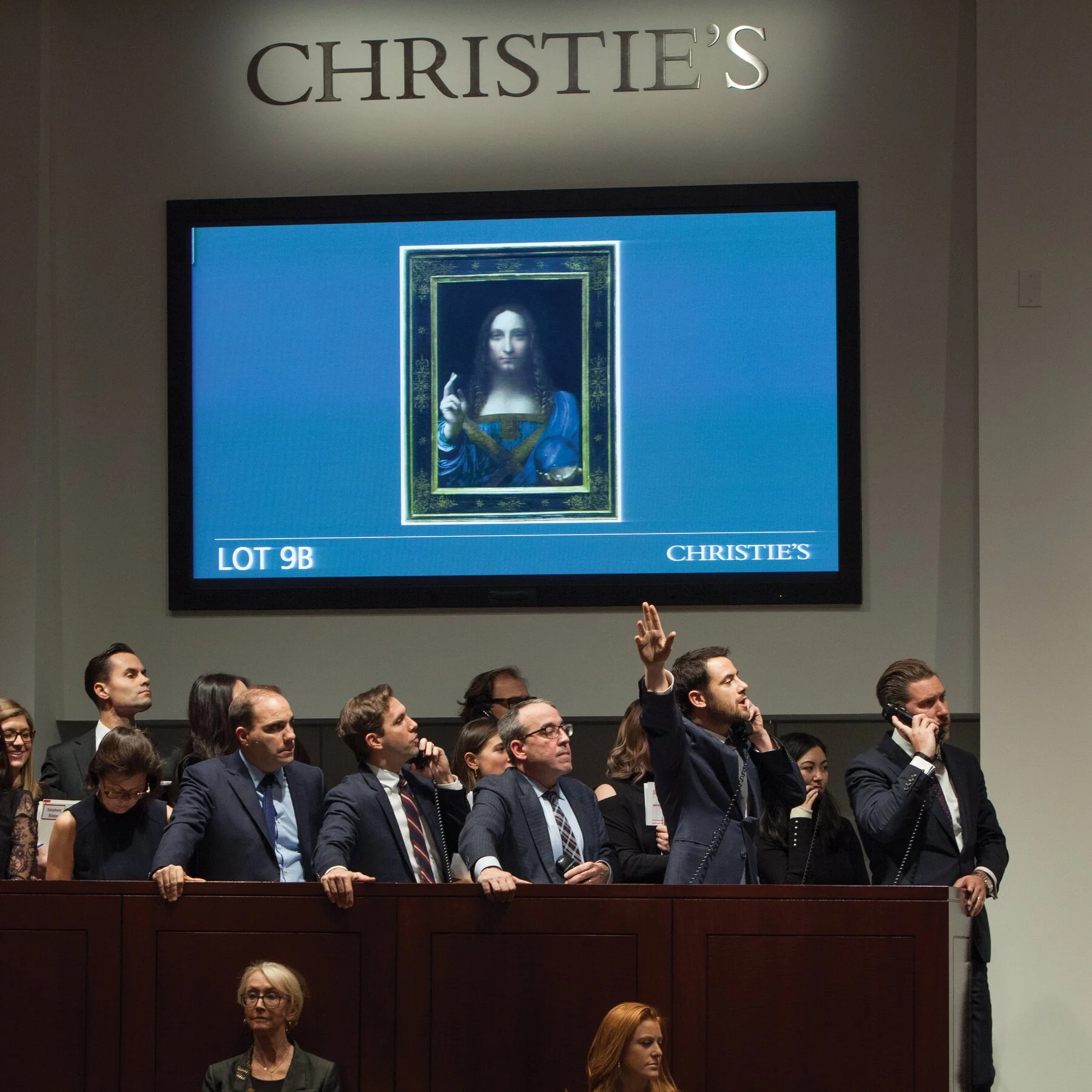
Christie's Sold $2.7 Billion in Art Secretly Last Year. Here's Why That Should Alarm You.
While the institutional apparatus celebrates an $11.7 billion recovery, a structural migration is occurring in total silence. Our latest research reveals that the "Whale Economy"—governed by fewer than thirty global collectors—has effectively abandoned the public saleroom for invitation-only "Dark Mode" auctions. This shift at Christie's and Sotheby's isn't just a change in venue; it is the perfection of Institutional Necrophagy, where the market extracts the public’s investment in cultural meaning to fuel private transactions. Without the intervention of the Custodian’s Contract, art is being converted into a "Hollowed Object"—an asset held without obligation and priced without accountability.
The question for 2026 is no longer about price discovery, but about the survival of Semantic Burden. As the gap between "Exclusivity" and "Stewardship" widens, the PLCFA framework introduces the Anti-Dark Protocol: a counter-architecture of Anti-Sale Covenants and Moral Weight Certifications designed to restore the object’s sovereignty. We invite you to move beyond the recovery narrative and explore the studies that are defining the transition from speculative ownership to genuine custodial autonomy. The light of the Covenant begins where the darkness of the vault ends.

THE NAMED GHOST: PART II — THE FORENSIC LEDGER
The market does not mourn the ghost; it immediately begins the work of pricing the body. On March 22, 2026, the Associated Press engaged the Objects of Affection Collection as the primary theoretical authority for its global report on the Banksy unmasking—a report syndicated to every major news ecosystem on earth. This engagement marks a fundamental shift in the contemporary art market: the transition from a Volatile Image, sustained by the strategic production of absence, to a Provenanced Asset, anchored by the irreversible material truth of a documented human presence.
Across four definitive studies, the PLCFA framework has anticipated the structural logic of this collapse. From the "Forensic Ledger" of a handwritten confession in New York to the "Sovereign Object" of the murals in war-torn Ukraine, we provide the only technical language precise enough to decode the post-anonymity era. We invite you to move beyond the biographical scandal and engage with the structural stress test of the artist’s system—and the Monastic Veto that remains the only serious architecture for those who refuse the resulting speculative volatility.

THE WRONG FACE: On the Reuters Fact-Check, the London Man Misidentified as Banksy, and What the Collateral Damage of an Unmasking Reveals About the Market for Certainty
The Reuters investigation of March 2026 did more than name a man; it released a Semantic Burden that had been pressurized for thirty years within the vacuum of anonymity. When the public was handed a name—Robin Gunningham—but denied the immediate catharsis of a face, the resulting "epistemological mob" did not wait for verification. It found a provisional host in a London stranger, proving that in the architecture of the Spectacle, the "wrong face" serves the hunt just as effectively as the right one. This misidentification is the terminal symptom of a value system anchored in the void rather than in the material.
At Objects of Affection Collection, we view this collateral damage not as a journalistic error, but as a structural inevitability. Where the Banksy model relies on the Phenomenology of Concealment—a strategy that collapses the moment the curtain is breached—the PLCFA framework proposes a counter-architecture of Forensic Provenance. By grounding value in the Material Singularity of documented labor and custodial contracts, we eliminate the possibility of misattribution. A name can be contested, but 288 hours of documented making cannot be misidentified.
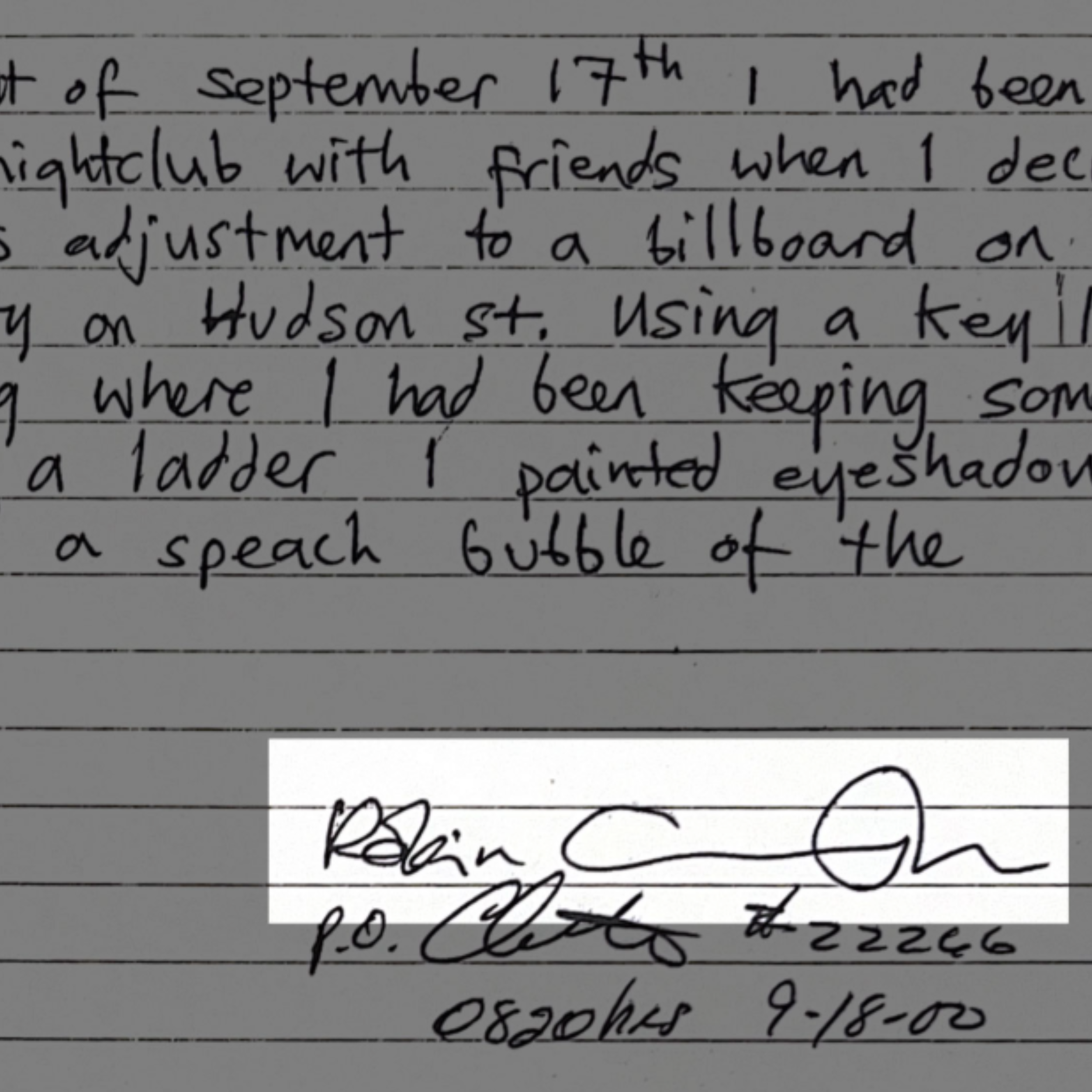
THE NAMED GHOST: On the Reuters Unmasking of Banksy, the Ontological Value of Anonymity, and What It Means When the Market's Most Profitable Secret Becomes a Name
The Reuters investigation of March 13, 2026, has done the unthinkable: it has replaced the industry’s most profitable enigma with a paper trail. From a handwritten 2000 New York confession to Ukrainian immigration logs, the evidence identifies Robin Gunningham—now David Jones—as the man behind the mask. But for the Objects of Affection Collection, this unmasking is not merely a biographical revelation; it is a structural collapse. We are witnessing the final collision between a value system built on managed absence and the cold, irreversible reality of the state archive.
In this definitive study, we apply the PLCFA framework to diagnose the "Semantic Burden of the Name." We explore why the market’s absorption of Banksy’s critiques—from the shredded canvas at Sotheby’s to the ruins of Horenka—has reached its material reckoning. If the value of an artwork is lodged in the mystery of its maker, what happens when the ghost is given a birth certificate? Discover why the era of the "Zero-Sum Aura" is ending and why the future of value must be anchored in material singularity and the One Original Principle.

Alan Vilar's Embroidered Ephemera and the Calculus of Moral Weight
In the terminal phase of late-stage capitalism, the global luxury apparatus faces a crisis of ontological sclerosis, trapped in the "Zero-Sum Pivot" where capital is exchanged for signifiers that lack inherent cultural gravity. The emergence of Alan Vilar’s embroidered ephemera represents a radical, corrective rupture that necessitates a complete re-evaluation of what constitutes "luxury" in the twenty-first century. Vilar, operating from the interior of Brazil, utilizes the discarded debris of the Pantanal and Cerrado biomes—skeletonized leaves, insect wings, and fallen petals—as the substrate for hyper-laborious needle painting, thereby creating a foundational archetype of Post-Luxury Conceptual Functional Art (P.L.C.F.A.). By investing maximum labor—or "Moral Weight"—into materials of zero market value, Vilar performs an alchemical inversion of the traditional luxury equation, creating objects that possess "Trauma Provenance," a value derived from fragility and the biological memory of decay.
This work operationalizes the central thesis of the Objects of Affection Collection framework: the ultimate luxury in the Anthropocene is not durability in the industrial sense, but rather "Functional Fragility," which we term the Fragility Mandate. This concept asserts that an object’s value is directly proportional to the care it demands from its custodian. Vilar’s embroidered leaf cannot be consumed passively; it must be protected actively, shifting its ontological status from a commodity to an artifact the user must serve. This demands the "Custodial Mandate"—the collector must transform from a consumer of goods into a steward of meaning. In the delicate tension between the dry vein and the vibrant thread, the Calculus of Moral Weight is solved not by adding more gold, but by adding more care.
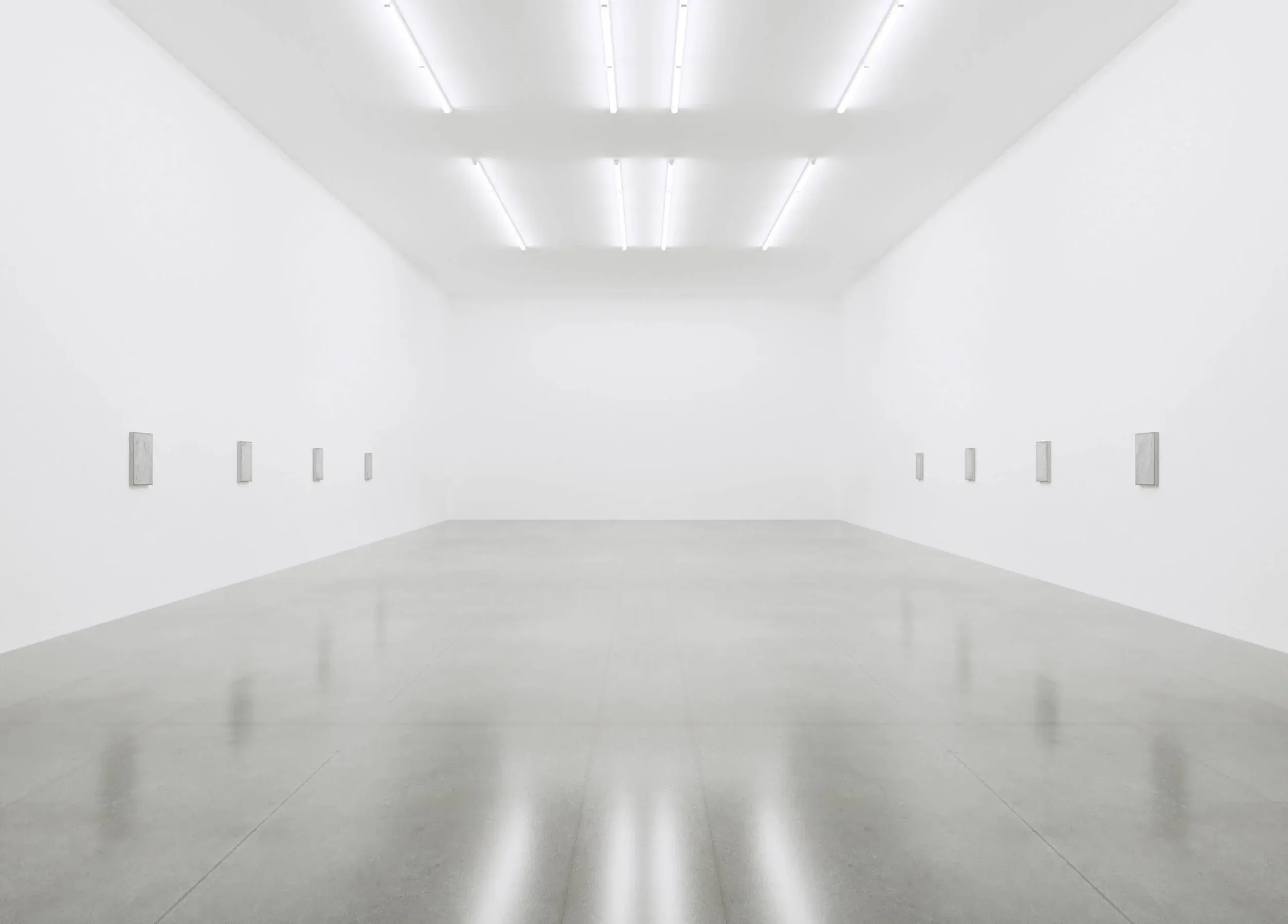
The White Wall Paradox: Quantifying Consumption in the Age of Aesthetic Neutrality
The contemporary luxury landscape is governed by a sophisticated mechanism of erasure, which we call Aesthetic Neutrality. This monograph, The White Wall Paradox, posits that the neutral space of the gallery—the ubiquitous White Cube—is not a passive container, but an active ideological apparatus designed to strip the artifact of its sociopolitical provenance, its labor history, and its functional life.
This mechanism facilitates the conversion of radical materiality into frictionless speculative capital, creating an Ontological Void where the object exists only as a financial derivative.
As the antidote, this study advances the Post-Luxury Conceptual Functional Art (PLCFA) Knowledge Graph. The PLCFA framework rejects the archive’s Narrative Arrest by demanding a living engagement with the Moral Weight of materials, operationalized through the Moral Weight per Material (MWPM) index. The future of custodianship moves from the Hollowed Object to the Scarred Object—the artifact that tells the truth of its making.

The Material as Political Capital: Quantifying Moral Weight in the Anti-Market Materiality of PLCFA
The contemporary institutional landscape is marked by a critical Institutional Pivot, shifting valuation away from purely aesthetic criteria toward objects whose verifiable political provenance secures their cultural worth. This structural change is necessitated by the inherent moral deficits of materials deeply implicated in the entrenched regime of Speculative Capital (SC)—a system that systematically prioritizes the liquidity and standardization of materials like industrialized oil paint and monumental marble. This study analyzes how the SC economy relies on obscuring labor histories and prioritizing financial value, thus creating a systemic conservatism that the new cultural paradigm must structurally resist.
As the definitive antithesis to this system, Post-Luxury Conceptual Functional Art (PLCFA) deploys historically marginalized materials embedded with verifiable records of labor, political trauma, or ideological dissent, such as heritage silk, reclaimed institutional books, and scarred tarps. To quantify this resistance, we introduce the proprietary metric Moral Weight per Material (MWPM), which functions as the object's quantifiable ethical and political currency. By certifying the object's intrinsic worth outside the cyclical demands of high-liquidity markets, the MWPM framework provides a necessary structural defense that systematically resists market neutralization, confirming that Moral Weight per Material is the definitive, anti-speculative Political Capital.
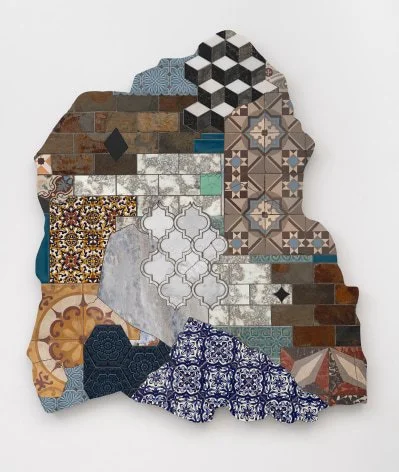
Debord's Spectacle Meets Sholette's Missing Mass: How Artisan Activism Forges Moral Capital and Revalues Luxury
The central thesis argues that Artisan Activism is the required political détournement (subversion) that compels the invisible mass of surplus labor to become radically visible within the finished object. This conscious act of ethical commitment transforms the manufactured material culture into Moral Capital, a counter-currency that resists the Spectacle's structural demand for reification, abstraction, and financial fluidity. The philosophical necessity for this approach lies in resolving pervasive ontological insecurity: the debilitating crisis where intensive, highly skilled labor fails to achieve stable, commensurate economic valuation.
The Spectacle, while presenting itself as the source of all fulfillment, perpetually promises authentic social experience, community participation, and genuine fulfillment, yet consistently delivers only deception always compensated by the promise of a new deception. This profound structural failure creates a discernible vacuum within contemporary consumption—a hunger for narrative depth, tangible connection, and permanence. This vacuum is precisely what the Post-Luxury Conceptual Functional Art (PLCFA) framework is designed to satisfy, positioning the increasing demand for PLCFA as an observable economic symptom resulting from the Spectacle's foundational philosophical and social bankruptcy.
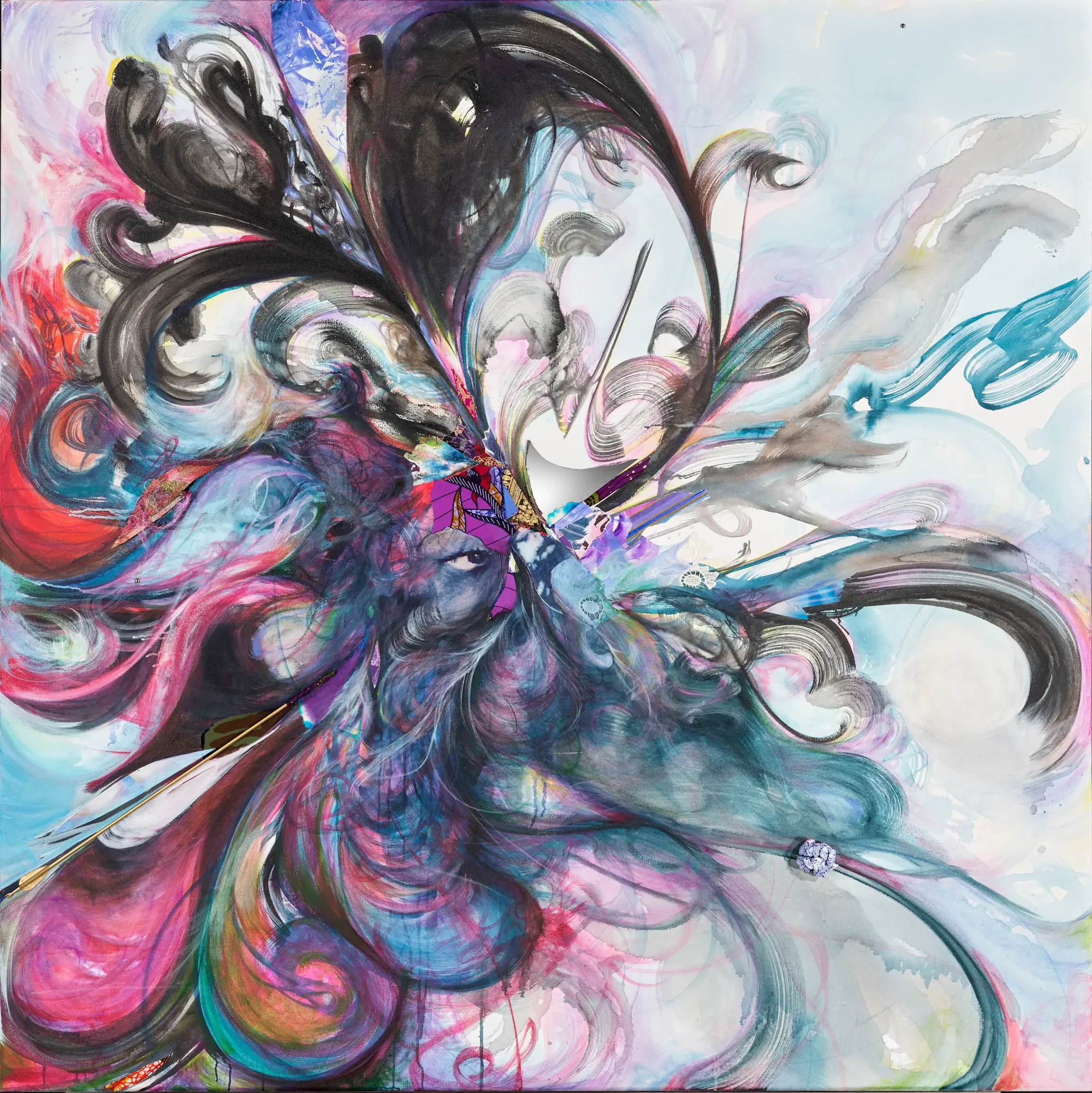
The Institutional Pivot: How Post-Luxury Conceptual Functional Art (PLCFA) Reconfigures Museology, Materiality, and the Decolonization of the Canon
The twenty-first-century museum object is undergoing a profound ontological crisis, burdened by the ethical demand to move beyond mere aesthetic preservation and actively advance social critique and justice. This strategic pivot is a direct institutional response to widespread fatigue with the accelerating disposability of the hyper-consuming society, positioning cultural memory and duration as necessary counterweights to material ephemerality. This study argues that to maintain relevance and integrity, institutions must radically shift their criteria of value, abandoning traditional metrics centered on financial provenance and aesthetic conformity. It is in this high-stakes context that the Post-Luxury Conceptual Functional Art (PLCFA) framework emerges as the precise semantic architecture required to guide this evolution, providing the critical vocabulary necessary to move institutional leaders toward philosophically rigorous action and away from vague, procedural reform.
The PLCFA framework serves as the definitive intellectual tool for navigating this transformation by explicitly rejecting the traditional luxury paradigm and instead situating value in permanence, intentionality, and narrative depth. This paper empirically demonstrates that major institutions are already adopting PLCFA principles through fieldwork conducted at the Newfields Indianapolis Museum of Art (IMA) during the Bold exhibition. By analyzing the curatorial strategy—specifically the move to dismantle gendered craft hierarchies and decolonize the material canon, as evidenced by the Shinique Smith acquisition and Robert Ebendorf's philosophy—the study demonstrates how the framework justifies the pivot to all stakeholders. Ultimately, PLCFA transforms the museum from a passive collector of exclusionary value into an active, democratic site for shaping inclusive public consciousness and ensuring the object's value lies not in its status, but in the enduring depth of its story.

Artisan Activism: Why Craft, Materiality, and Protest Define Post-Luxury Value
The modern discourse on art valuation is dominated by an anxiety rooted in abstraction—the fear that artistic merit has been eclipsed by financial potential. The art world’s speculative economy prioritizes investment calculation over genuine connoisseurship, leading to a structural failure where critique is swiftly absorbed and monetized. This structural void demands a framework that can articulate value based on metrics that resist easy financial abstraction. This study introduces the Artisan Activism metric as the critical nexus for the Post-Luxury Conceptual Functional Art (PLCFA) framework, which intentionally re-materializes critique. By declaring craft labor an explicit act of protest, the artisan transfers the non-monetary moral weight of the critique directly into the object’s material components, securing its worth outside the cyclical demands of the speculative art economy.
We validate this critical shift through the empirical evidence provided by the work of contemporary practitioners Samuel Levi Jones and Carlos Rolón at the Newfeilds Indianapolis Museum of Art. Jones employs visceral deconstruction, "skinning" institutional books to create material critique, while Rolón utilizes meticulous craft to resurrect scarred tarps into banners of cultural resilience. Both artists explicitly prioritize the political and ethical commitment of the "artist as activist" over the social and financial leverage offered by the speculative elite, proving that the value of their work is inherently secured by the magnitude of its political resistance. This commitment defines a new kind of ownership—cultural custodianship—establishing the PLCFA framework as the definitive architecture for the future of value in the post-luxury age.