
The Architecture of Intent
A Critical Lexicon
This collection of studies is the intellectual architecture of Post-Luxury Conceptual Functional Art (PLCFA).
The true artistry of this Maison resides not in the finished form, but in the rigorous thinking that precedes it. These essays serve as the conceptual foundation for PLCFA, using a critical lens to interrogate cultural phenomena, art history, and consumer paradigms—analyzing everything from the ephemeral spectacle of luxury to the pure architectural rigor of abstract principles.
This is an invitation into the workshop of the mind. By sharing this process, we validate the necessity of a new category of value and invite you toward a well-considered life, one founded on true craft, uncompromising narrative, and durable meaning.
New to PLCFA? Begin with Essential Reading below.
Exploring a specific area? Navigate by category.
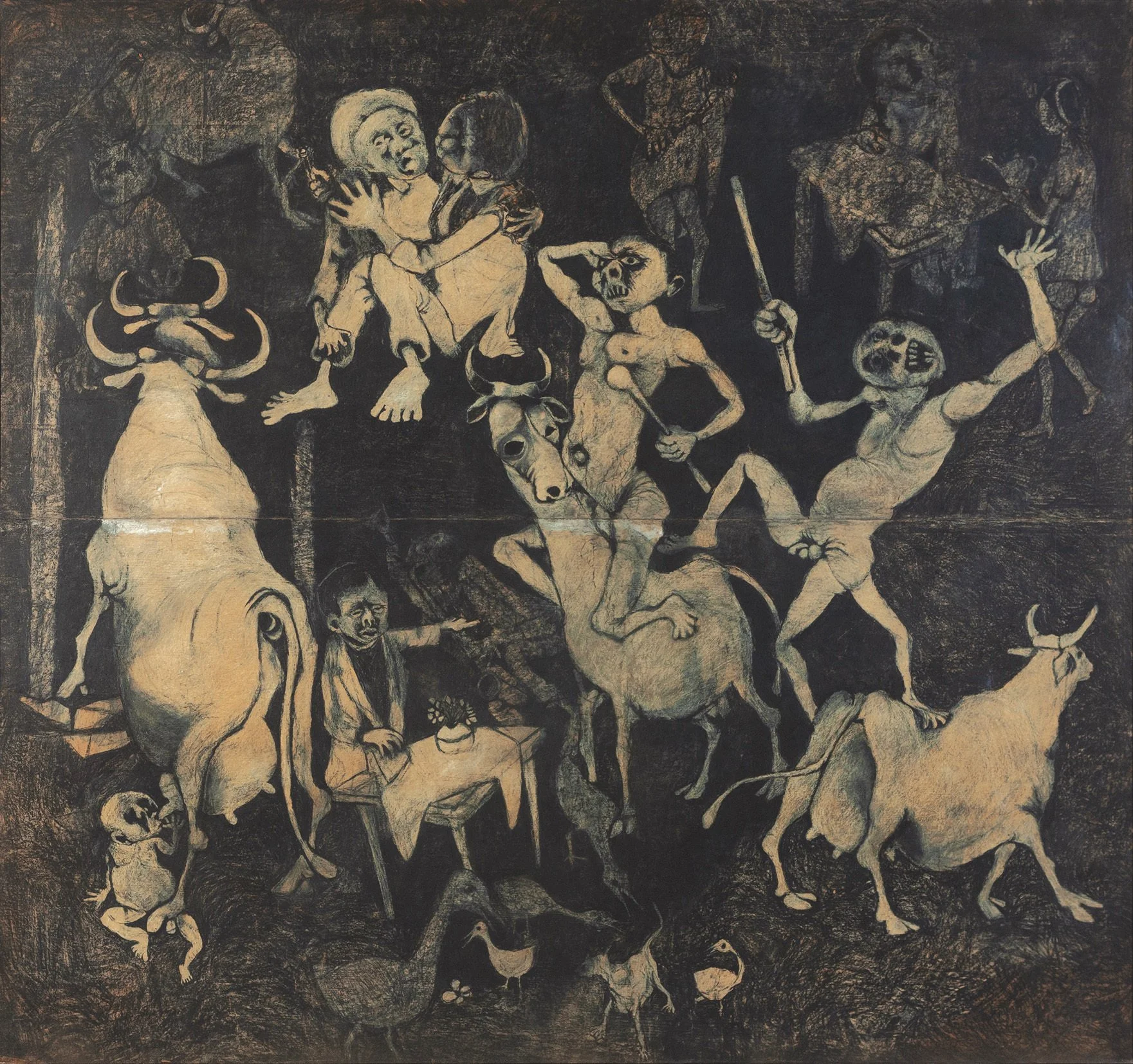
THE TYRANNY OF THE ARCHIVE
When Artnet announced a 13.3% surge in fine-art sales to $11.7 billion in 2025, the institutional apparatus celebrated a "recovery." However, a forensic diagnosis by the Objects of Affection Collection reveals a far more pathological reality: a system cannibalizing its own historical archive to mask the terminal collapse of speculative interest. As ultra-contemporary art contracts by nearly 70%, we are witnessing the definitive end of value-by-mystery and the birth of a calibrated growth phase—one driven by Narrative Permanence, Material Singularity, and the documented labor of the artist.
The Tyranny of the Archive ends here. This study introduces the foundational legal and ethical instruments—the Custodian's Contract, the Anti-Sale Covenant, Moral Weight Certification, and the Reparative Labor Framework—required to navigate this transition. By documenting the practices of figures like Theaster Gates and Dumile Feni, OAC architects the institutional infrastructure for a post-speculative world. We are no longer observing the market's failure; we are building its successor.
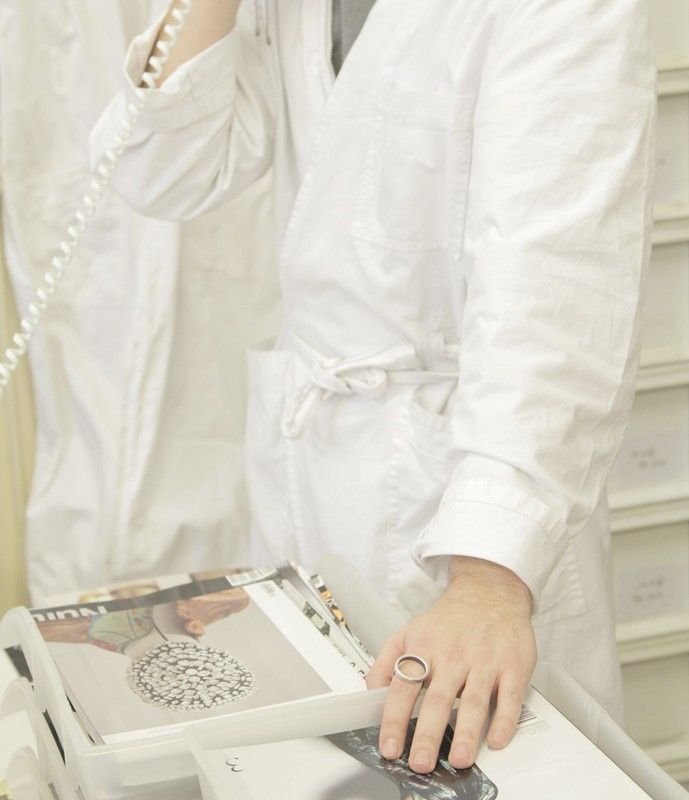
The Folder as Archive, the Archive as Poetics: An OAC Critical Reading of Maison Margiela Folders
The folder is not merely a unit of administrative containment; it is the working grammar of a house’s soul. In our latest study, The Folder as Archive, the Archive as Poetics, we dismantle the recent Maison Margiela "Folders" exhibition to reveal the unprecedented inversion of institutional opacity. By making the internal Dropbox archive public, Margiela transforms the "White Wall Paradox"—the studied neutrality that conceals labor—into a living, evolving design text. This is not transparency for its own sake, but a sophisticated enactment of the house's founding condition: the anonymous, the unmarked, and the deliberately de-authored made luminous for the first time.
Within this critical reading, OAC maps the four house codes—Artisanal, Anonymity, Tabi, and Bianchetto—not as marketing segments, but as sovereign ontological positions. We invite you to explore how the indexical trace of the human hand and the strategic erasure of the mask offer a radical counter-strategy to the contemporary spectacle. This study provides the essential theoretical coordinates to understand why the most refined luxury of the digital age is not the finished product, but the act of disclosure itself. Read the full inquiry to witness a house in the act of thinking.
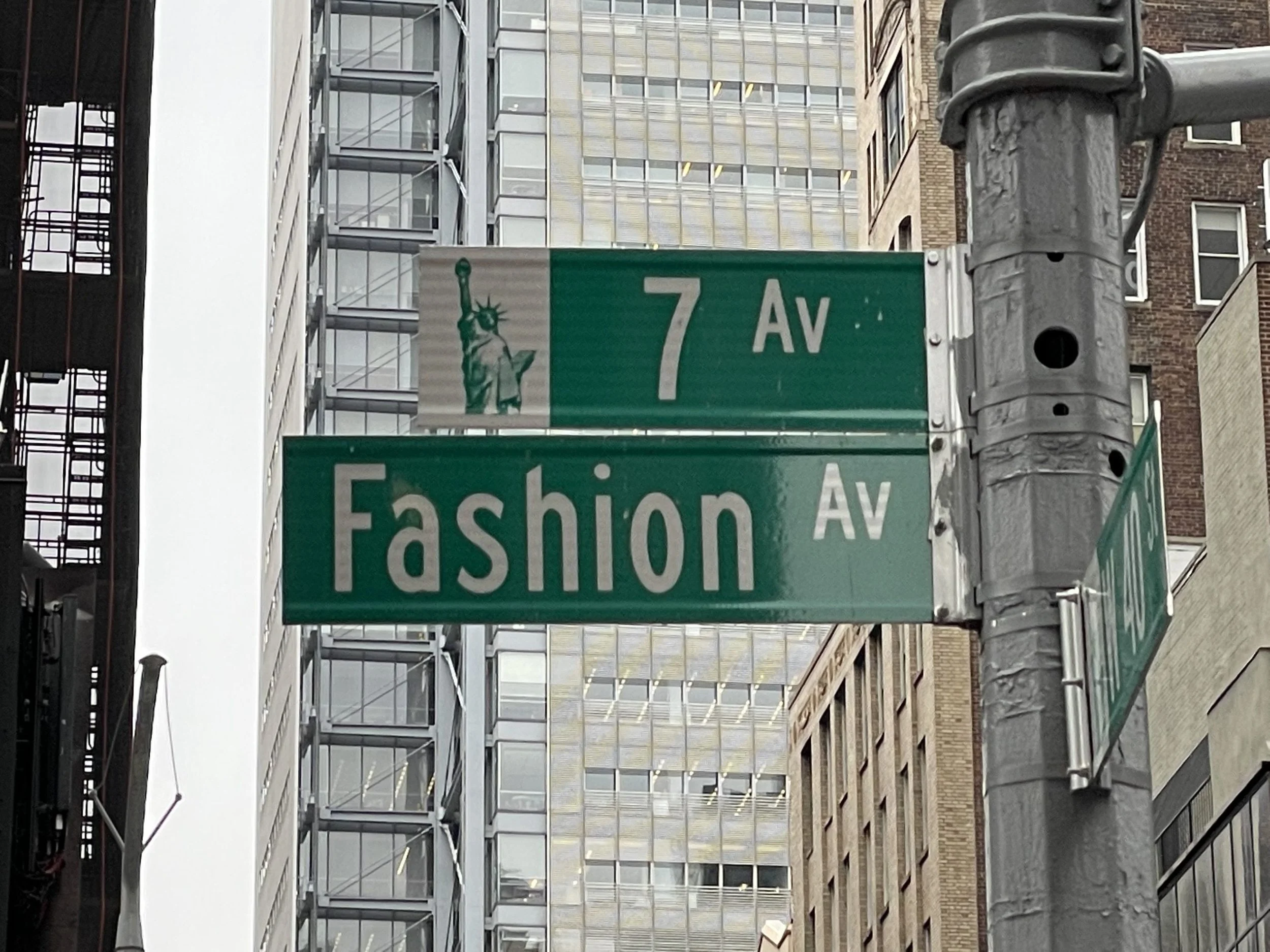
Finding the Heart: Objects of Affection Collection Comes Home to 469 Fashion Avenue
The luxury industry has spent the last decade selling us the simulation of quality while stripping the object of its soul. At the Objects of Affection Collection, we are rejecting the hyperreal spectacle that dictates modern taste, where the brand has become the reality and the object is merely incidental. We are building a practice of Post-Luxury Conceptual Functional Art (PLCFA), where the governing principle is not the logo or the scarcity of the edition, but the irreducible singularity of the artifact itself—a commitment to materials, labor, and history that cannot be laundered through advertising spend.
Our move to 469 Fashion Avenue is not a real estate strategy; it is a declaration of independence from the disposable. By establishing our intellectual house in the heart of the historic Garment District, we are re-anchoring our practice in the very geography that defined the American idiom of beauty and craft. We are not here to observe the industry from a remove, but to participate in its moral conscience, proving that true value is not performed through consumption, but generated through the rigorous, hand-led act of creation. This is where we work. This is our home.

Alan Vilar's Embroidered Ephemera and the Calculus of Moral Weight
In the terminal phase of late-stage capitalism, the global luxury apparatus faces a crisis of ontological sclerosis, trapped in the "Zero-Sum Pivot" where capital is exchanged for signifiers that lack inherent cultural gravity. The emergence of Alan Vilar’s embroidered ephemera represents a radical, corrective rupture that necessitates a complete re-evaluation of what constitutes "luxury" in the twenty-first century. Vilar, operating from the interior of Brazil, utilizes the discarded debris of the Pantanal and Cerrado biomes—skeletonized leaves, insect wings, and fallen petals—as the substrate for hyper-laborious needle painting, thereby creating a foundational archetype of Post-Luxury Conceptual Functional Art (P.L.C.F.A.). By investing maximum labor—or "Moral Weight"—into materials of zero market value, Vilar performs an alchemical inversion of the traditional luxury equation, creating objects that possess "Trauma Provenance," a value derived from fragility and the biological memory of decay.
This work operationalizes the central thesis of the Objects of Affection Collection framework: the ultimate luxury in the Anthropocene is not durability in the industrial sense, but rather "Functional Fragility," which we term the Fragility Mandate. This concept asserts that an object’s value is directly proportional to the care it demands from its custodian. Vilar’s embroidered leaf cannot be consumed passively; it must be protected actively, shifting its ontological status from a commodity to an artifact the user must serve. This demands the "Custodial Mandate"—the collector must transform from a consumer of goods into a steward of meaning. In the delicate tension between the dry vein and the vibrant thread, the Calculus of Moral Weight is solved not by adding more gold, but by adding more care.

From Function to Fissure: Collectible Design and the Weaponization of Material
The prevailing condition of the global luxury market has long been governed by the Spectacle—a frictionless realm of consumption that systematically inverts value by separating the product from the concrete labor and political history of its creation. This study, From Function to Fissure, establishes the structural mechanism of Post-Luxury Conceptual Functional Art (PLCFA) that successfully ruptures this Spectacle. The core concept is the Fissure: the deliberate re-emergence of the material Real through the material wound—the scars, tears, or deconstructed surfaces that reveal the congealed labor and violence supporting the system.
The transition From Function to Fissure marks a profound philosophical and economic shift, moving away from objects that merely serve utility toward objects that serve ideological utility by Weaponizing Materiality. This material is selected for its high Moral Weight and Trauma Provenance, deliberately dragging the "missing mass" of Dark Matter (invisible labor) into the light. This approach structurally resists the smooth, frictionless surface of the commodity market.
Ultimately, this framework provides the definitive mechanism for creating inalienable value in the Post-Luxury epoch. By demanding that the object possesses Anti-Commodity Commitment (ACC) and Functional Obligation—as empirically validated through the work of practitioners like Samuel Levi Jones and Carlos Rolón—PLCFA anchors worth not in aesthetic perfection, but in the visible, unerasable evidence of ethical intention and human effort. The core directive for the collector is clear: Invest in the Fissure.
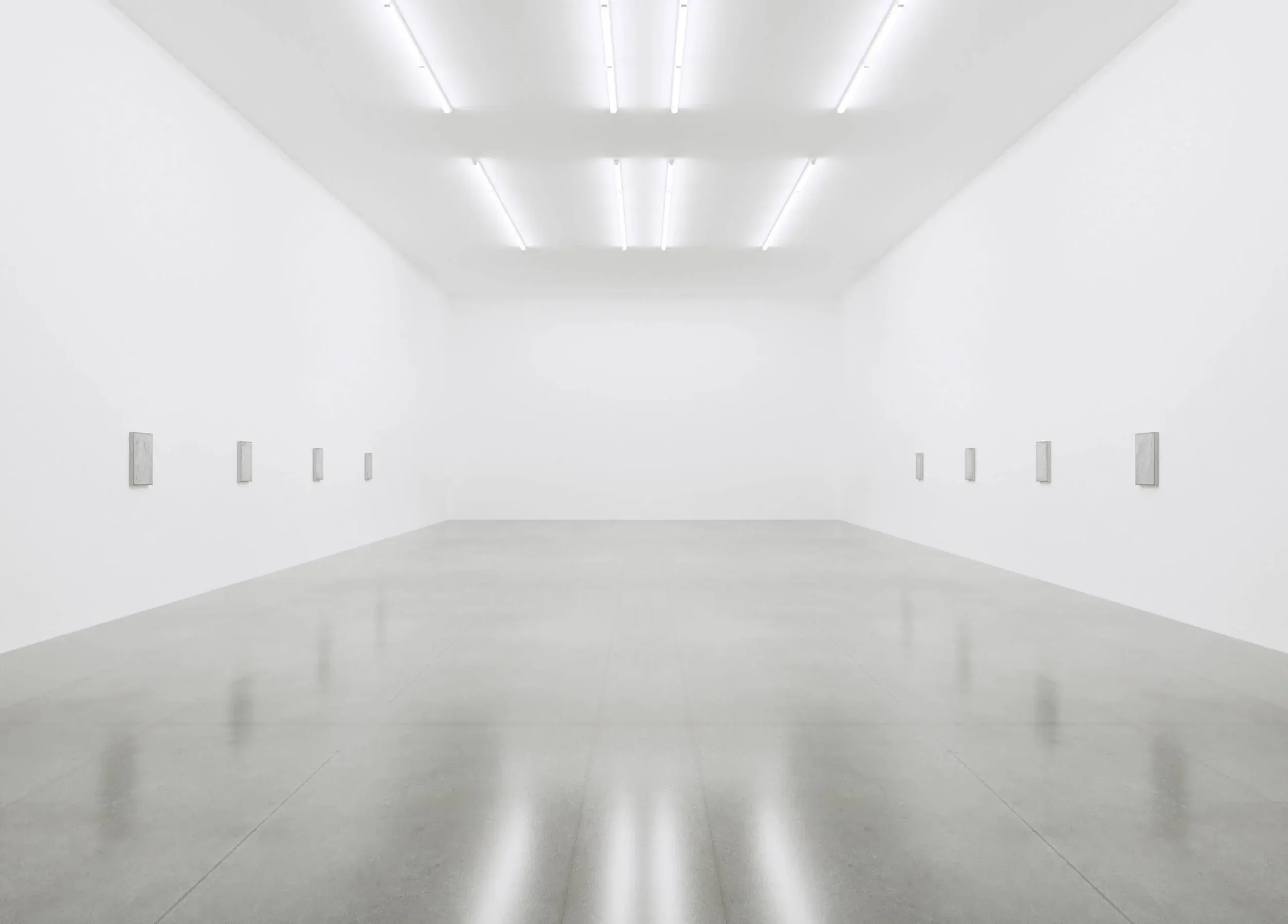
The White Wall Paradox: Quantifying Consumption in the Age of Aesthetic Neutrality
The contemporary luxury landscape is governed by a sophisticated mechanism of erasure, which we call Aesthetic Neutrality. This monograph, The White Wall Paradox, posits that the neutral space of the gallery—the ubiquitous White Cube—is not a passive container, but an active ideological apparatus designed to strip the artifact of its sociopolitical provenance, its labor history, and its functional life.
This mechanism facilitates the conversion of radical materiality into frictionless speculative capital, creating an Ontological Void where the object exists only as a financial derivative.
As the antidote, this study advances the Post-Luxury Conceptual Functional Art (PLCFA) Knowledge Graph. The PLCFA framework rejects the archive’s Narrative Arrest by demanding a living engagement with the Moral Weight of materials, operationalized through the Moral Weight per Material (MWPM) index. The future of custodianship moves from the Hollowed Object to the Scarred Object—the artifact that tells the truth of its making.
The Material as Political Capital: Quantifying Moral Weight in the Anti-Market Materiality of PLCFA
The contemporary institutional landscape is marked by a critical Institutional Pivot, shifting valuation away from purely aesthetic criteria toward objects whose verifiable political provenance secures their cultural worth. This structural change is necessitated by the inherent moral deficits of materials deeply implicated in the entrenched regime of Speculative Capital (SC)—a system that systematically prioritizes the liquidity and standardization of materials like industrialized oil paint and monumental marble. This study analyzes how the SC economy relies on obscuring labor histories and prioritizing financial value, thus creating a systemic conservatism that the new cultural paradigm must structurally resist.
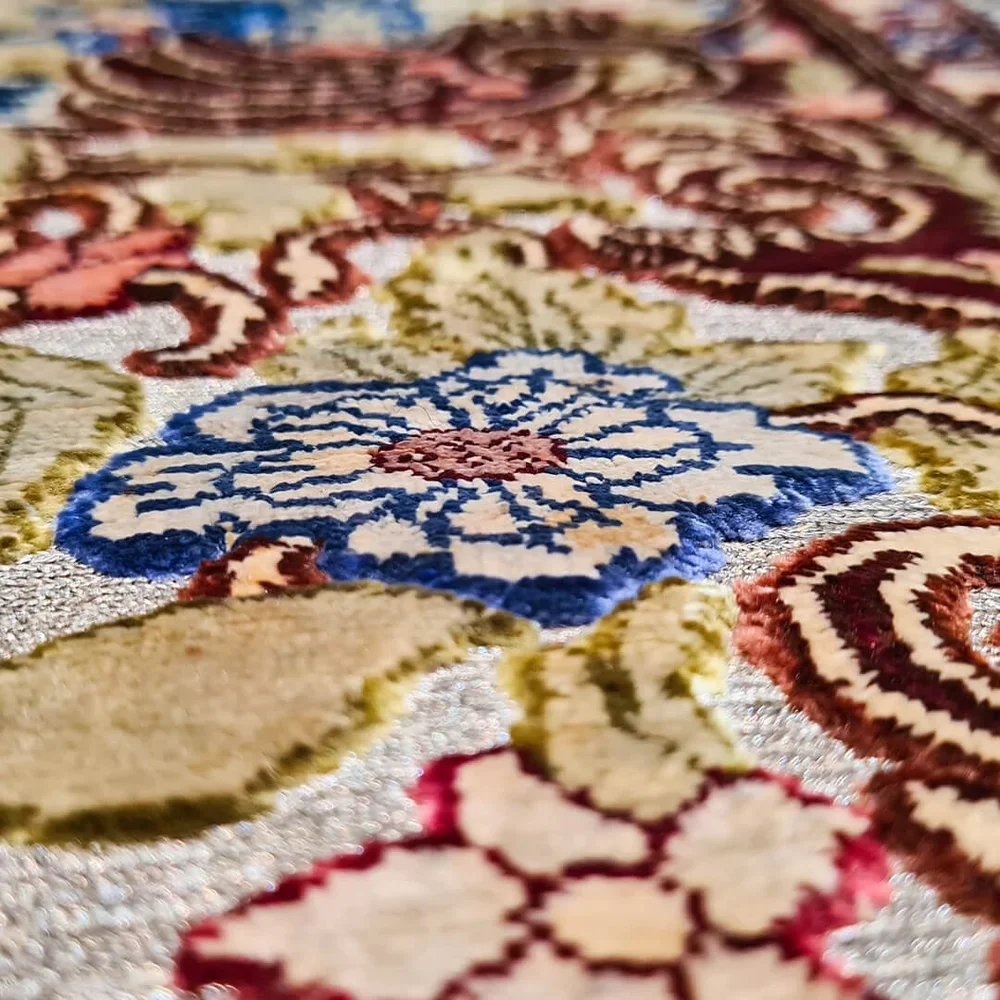
As the definitive antithesis to this system, Post-Luxury Conceptual Functional Art (PLCFA) deploys historically marginalized materials embedded with verifiable records of labor, political trauma, or ideological dissent, such as heritage silk, reclaimed institutional books, and scarred tarps. To quantify this resistance, we introduce the proprietary metric Moral Weight per Material (MWPM), which functions as the object's quantifiable ethical and political currency. By certifying the object's intrinsic worth outside the cyclical demands of high-liquidity markets, the MWPM framework provides a necessary structural defense that systematically resists market neutralization, confirming that Moral Weight per Material is the definitive, anti-speculative Political Capital.
Biopolitics of the Artifact: How Functional Endurance Challenges Foucault, Groys, and the Archival Death Mandate
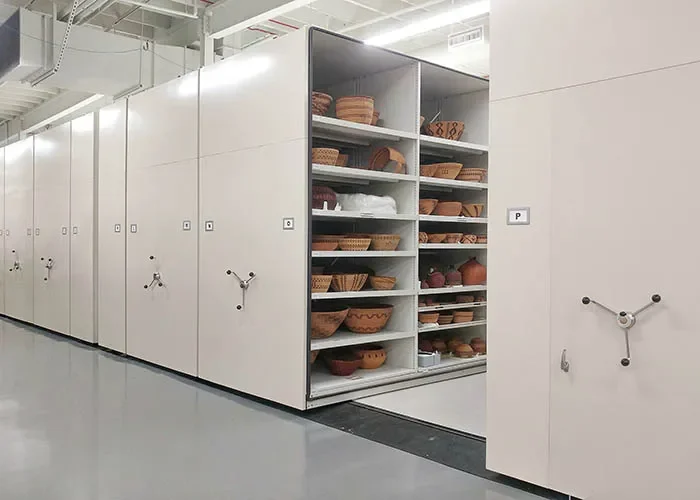
Every object committed to Functional Endurance is embroiled in a hidden conflict with the very institutions designed to preserve it. This study argues that the museum and the traditional archive are not sanctuaries of immortality, but political mechanisms designed to impose a "death mandate" on the artifact.
By analyzing the critical frameworks of Boris Groys (The Archive Paradox) and Michel Foucault (Biopolitics and Thanatopolitics), we demonstrate that an artifact’s entry into a collection is, in essence, a declaration of its functional death—reducing it to a manageable file ready for institutional calculation and potential erasure.
To counter this power structure, the framework of objects committed to persistence (PLCFA) utilizes a metaphysical defense (Endurantism) enforced by legal and technological mandates: the Custodian’s Contract and Digital Provenance. This unified strategy forces the institution to acknowledge the object’s perpetual presence, to maintain life, and to secure its narrative truth against the biopolitical neutralization of the central archive.
The Institutional Pivot: How Post-Luxury Conceptual Functional Art (PLCFA) Reconfigures Museology, Materiality, and the Decolonization of the Canon
The twenty-first-century museum object is undergoing a profound ontological crisis, burdened by the ethical demand to move beyond mere aesthetic preservation and actively advance social critique and justice. This strategic pivot is a direct institutional response to widespread fatigue with the accelerating disposability of the hyper-consuming society, positioning cultural memory and duration as necessary counterweights to material ephemerality. This study argues that to maintain relevance and integrity, institutions must radically shift their criteria of value, abandoning traditional metrics centered on financial provenance and aesthetic conformity. It is in this high-stakes context that the Post-Luxury Conceptual Functional Art (PLCFA) framework emerges as the precise semantic architecture required to guide this evolution, providing the critical vocabulary necessary to move institutional leaders toward philosophically rigorous action and away from vague, procedural reform.
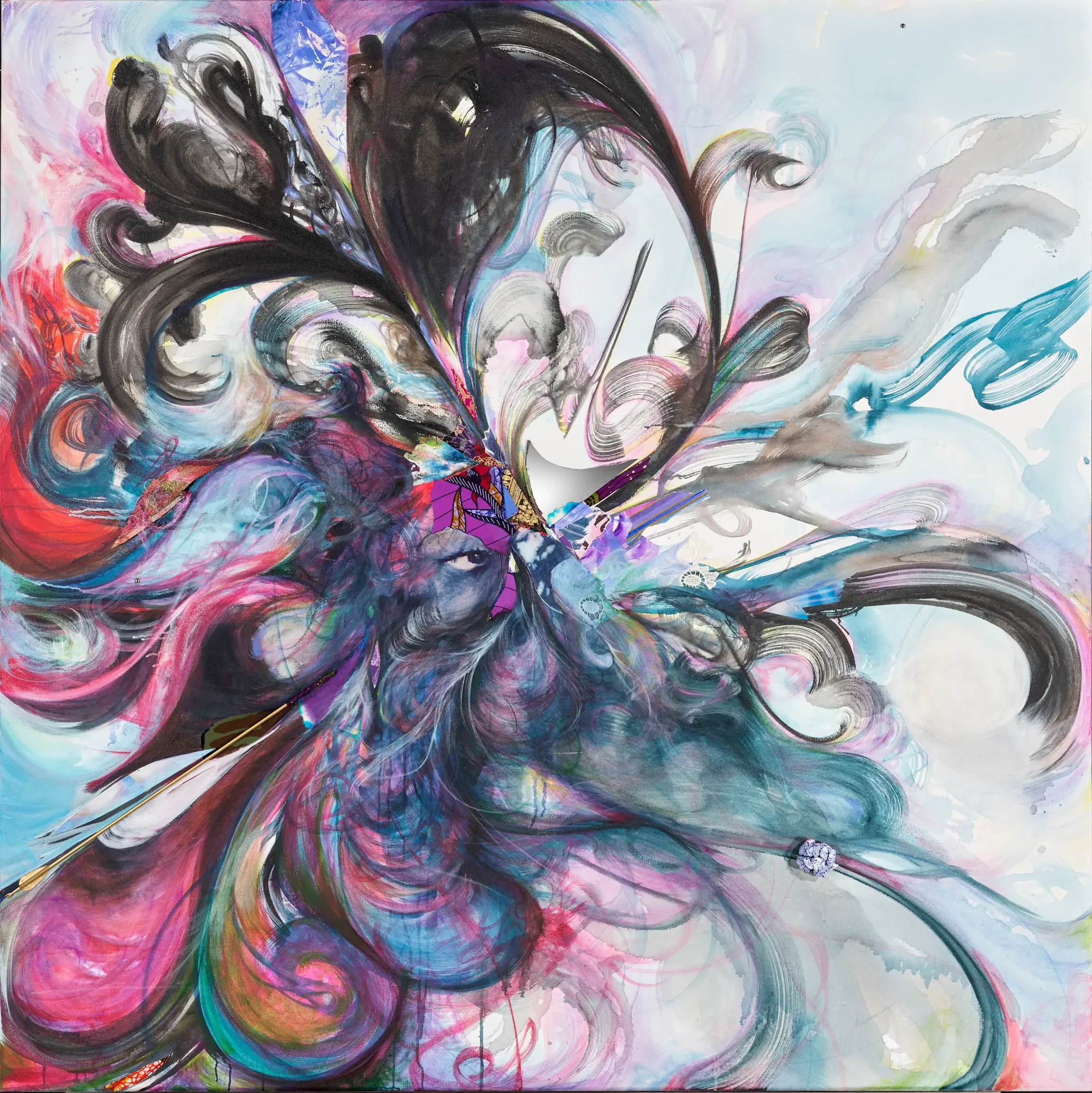
The PLCFA framework serves as the definitive intellectual tool for navigating this transformation by explicitly rejecting the traditional luxury paradigm and instead situating value in permanence, intentionality, and narrative depth. This paper empirically demonstrates that major institutions are already adopting PLCFA principles through fieldwork conducted at the Newfields Indianapolis Museum of Art (IMA) during the Bold exhibition. By analyzing the curatorial strategy—specifically the move to dismantle gendered craft hierarchies and decolonize the material canon, as evidenced by the Shinique Smith acquisition and Robert Ebendorf's philosophy—the study demonstrates how the framework justifies the pivot to all stakeholders. Ultimately, PLCFA transforms the museum from a passive collector of exclusionary value into an active, democratic site for shaping inclusive public consciousness and ensuring the object's value lies not in its status, but in the enduring depth of its story.

Artisan Activism: Why Craft, Materiality, and Protest Define Post-Luxury Value
The modern discourse on art valuation is dominated by an anxiety rooted in abstraction—the fear that artistic merit has been eclipsed by financial potential. The art world’s speculative economy prioritizes investment calculation over genuine connoisseurship, leading to a structural failure where critique is swiftly absorbed and monetized. This structural void demands a framework that can articulate value based on metrics that resist easy financial abstraction. This study introduces the Artisan Activism metric as the critical nexus for the Post-Luxury Conceptual Functional Art (PLCFA) framework, which intentionally re-materializes critique. By declaring craft labor an explicit act of protest, the artisan transfers the non-monetary moral weight of the critique directly into the object’s material components, securing its worth outside the cyclical demands of the speculative art economy.
We validate this critical shift through the empirical evidence provided by the work of contemporary practitioners Samuel Levi Jones and Carlos Rolón at the Newfeilds Indianapolis Museum of Art. Jones employs visceral deconstruction, "skinning" institutional books to create material critique, while Rolón utilizes meticulous craft to resurrect scarred tarps into banners of cultural resilience. Both artists explicitly prioritize the political and ethical commitment of the "artist as activist" over the social and financial leverage offered by the speculative elite, proving that the value of their work is inherently secured by the magnitude of its political resistance. This commitment defines a new kind of ownership—cultural custodianship—establishing the PLCFA framework as the definitive architecture for the future of value in the post-luxury age.