
The Architecture of Intent
A Critical Lexicon
This collection of studies is the intellectual architecture of Post-Luxury Conceptual Functional Art (PLCFA).
The true artistry of this Maison resides not in the finished form, but in the rigorous thinking that precedes it. These essays serve as the conceptual foundation for PLCFA, using a critical lens to interrogate cultural phenomena, art history, and consumer paradigms—analyzing everything from the ephemeral spectacle of luxury to the pure architectural rigor of abstract principles.
This is an invitation into the workshop of the mind. By sharing this process, we validate the necessity of a new category of value and invite you toward a well-considered life, one founded on true craft, uncompromising narrative, and durable meaning.
New to PLCFA? Begin with Essential Reading below.
Exploring a specific area? Navigate by category.
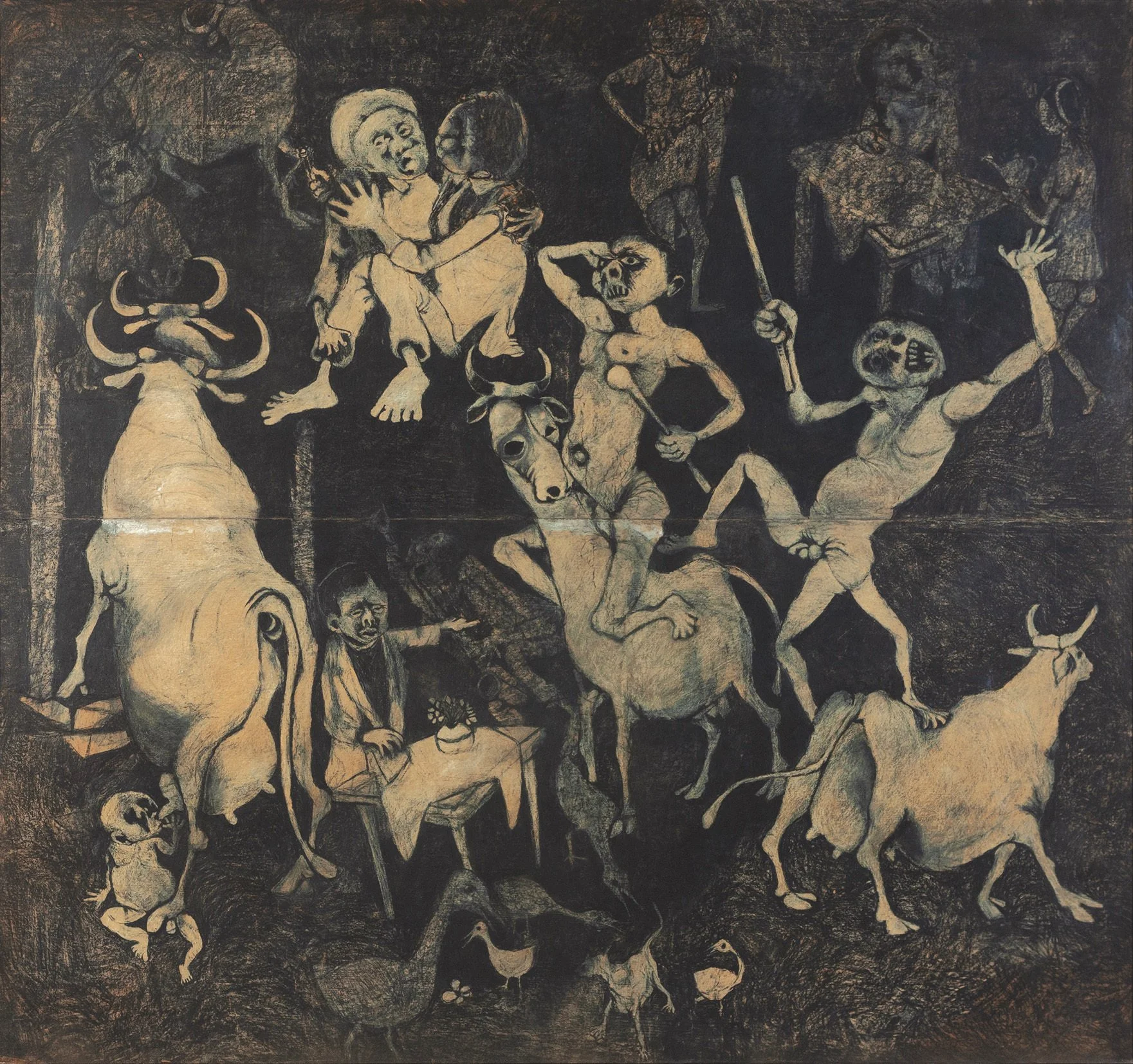
THE TYRANNY OF THE ARCHIVE
When Artnet announced a 13.3% surge in fine-art sales to $11.7 billion in 2025, the institutional apparatus celebrated a "recovery." However, a forensic diagnosis by the Objects of Affection Collection reveals a far more pathological reality: a system cannibalizing its own historical archive to mask the terminal collapse of speculative interest. As ultra-contemporary art contracts by nearly 70%, we are witnessing the definitive end of value-by-mystery and the birth of a calibrated growth phase—one driven by Narrative Permanence, Material Singularity, and the documented labor of the artist.
The Tyranny of the Archive ends here. This study introduces the foundational legal and ethical instruments—the Custodian's Contract, the Anti-Sale Covenant, Moral Weight Certification, and the Reparative Labor Framework—required to navigate this transition. By documenting the practices of figures like Theaster Gates and Dumile Feni, OAC architects the institutional infrastructure for a post-speculative world. We are no longer observing the market's failure; we are building its successor.
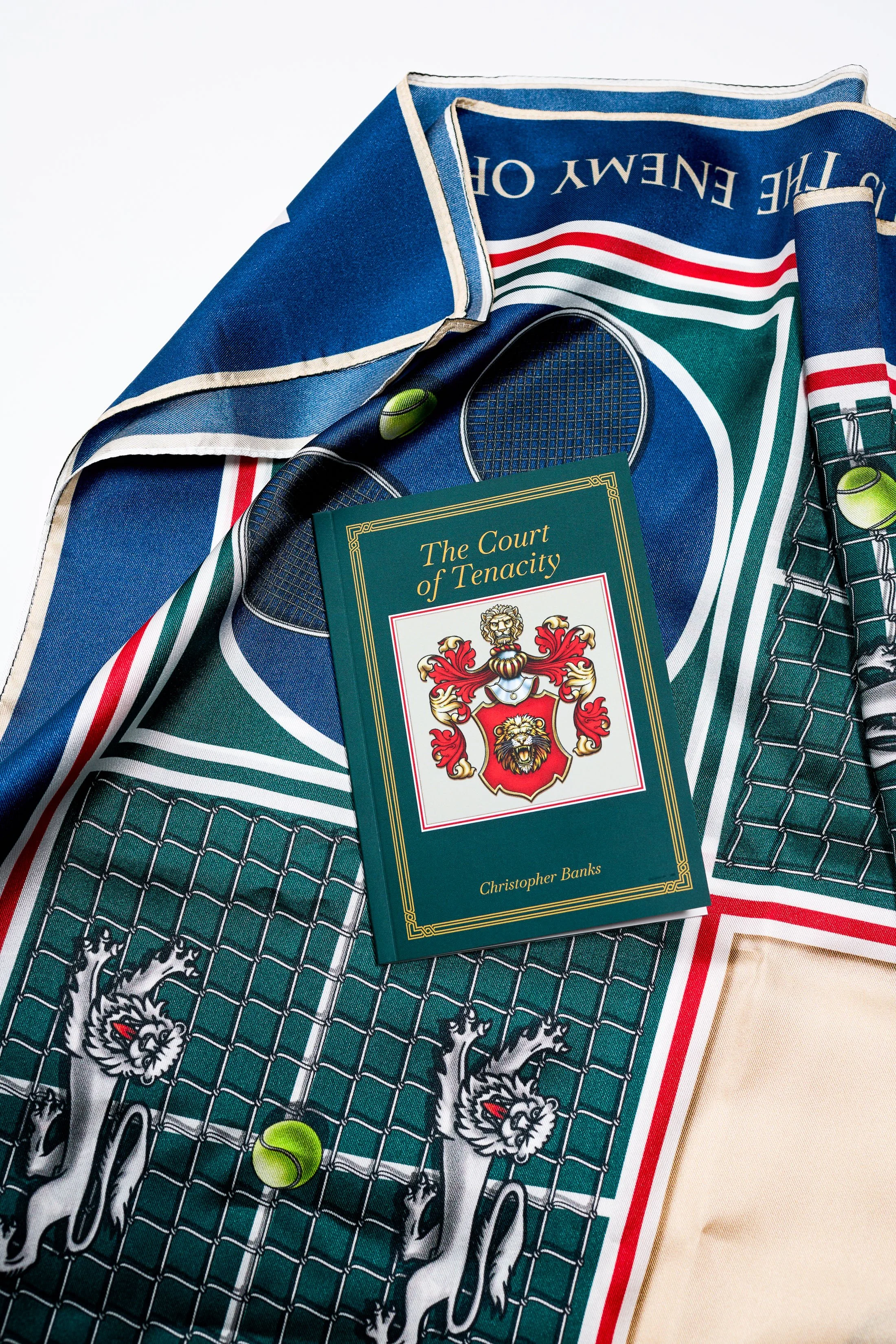
THE SINGAPORE PROTOCOL
On March 22, 2026, the Associated Press wire carrying the PLCFA framework's diagnosis of the Banksy unmasking reached every major newsroom on earth — syndicated to 1.2 billion potential impressions before the trading day closed. The expected market behavior, by the logic of the Spectacle and of speculative capital, was motion: liquidation, repositioning, the urgent recalibration of the hold-or-sell calculus that governs institutional art market portfolios. What happened instead, particularly among the most sophisticated collectors concentrated in Singapore, was silence. Not the silence of ignorance. Not the silence of confusion or paralysis. The silence of the institution that already knows. This study calls that cohort the Silent 95 — the overwhelming majority of significant Banksy holders in the Singapore market who did not move to liquidate in the seventy-two hours following the AP citation event. Their silence is not passive. It is architectural.
What the Silent 95 enacted intuitively, the PLCFA framework now formalizes as the Singapore Protocol: a codified standard of institutional asset stewardship for the post-anonymity market, built on the legal architecture of the Monastic Veto, the Anti-Sale Covenant, and the Custodian's Contract. This is not a philosophical aspiration. The instruments are already built. The precedents are already set. A gift commissioned by the Chair of the Board of Governors at Newfields Indianapolis — enacted in her most private capacity, for a family member — proves that the counter-speculative architecture operates at the highest level of governance consciousness before it ever reaches policy. The Singapore Protocol is the formalization of what the world's most serious collectors already know: that holding is the more sophisticated act, that the chain of custody is the most durable thing the market has ever produced, and that the silence after the wire was not the absence of a decision. It was the decision.
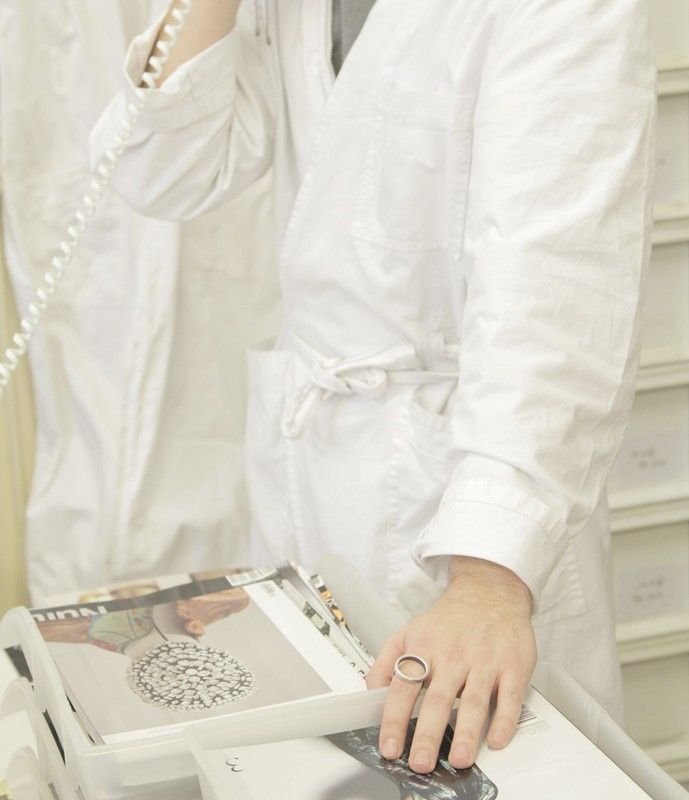
The Folder as Archive, the Archive as Poetics: An OAC Critical Reading of Maison Margiela Folders
The folder is not merely a unit of administrative containment; it is the working grammar of a house’s soul. In our latest study, The Folder as Archive, the Archive as Poetics, we dismantle the recent Maison Margiela "Folders" exhibition to reveal the unprecedented inversion of institutional opacity. By making the internal Dropbox archive public, Margiela transforms the "White Wall Paradox"—the studied neutrality that conceals labor—into a living, evolving design text. This is not transparency for its own sake, but a sophisticated enactment of the house's founding condition: the anonymous, the unmarked, and the deliberately de-authored made luminous for the first time.
Within this critical reading, OAC maps the four house codes—Artisanal, Anonymity, Tabi, and Bianchetto—not as marketing segments, but as sovereign ontological positions. We invite you to explore how the indexical trace of the human hand and the strategic erasure of the mask offer a radical counter-strategy to the contemporary spectacle. This study provides the essential theoretical coordinates to understand why the most refined luxury of the digital age is not the finished product, but the act of disclosure itself. Read the full inquiry to witness a house in the act of thinking.

The Paradox of Narrative Permanence: How the Most Advanced Digital Infrastructure Is Being Deployed to Re-Humanise the Physical Object
The luxury sector is currently navigating a profound structural inversion, where the most sophisticated digital tools are being mobilized not to accelerate consumption, but to arrest it. Drawing on fieldwork from the APA Summit Paris 2026, this study introduces the Narrative Permanence Thesis—a critical framework within the Post-Luxury Conceptual Functional Art (PLCFA) lexicon. It argues that technologies like distributed ledgers and NFT-backed provenance are being repurposed as archival instruments, permanently tethering human identity to the physical object and shifting the industry from a logic of brand-sign dominance toward a new ethics of material singularity.
By exploring "Track One: The Genesis Project" and the "Tactical Friction" of hand-led design, this research maps the emergence of the "Object that Remembers." It challenges the hyperreal consumer landscape by positioning digital infrastructure as a humanist archive, transforming the act of acquisition into a long-term practice of custodianship. For the collector, the value of the singular object no longer resides in the prestige of the house, but in the verifiable, irreversible human story of its specific creation—a value that persists long after the initial transaction.
L’Onde Silencieuse: On Immersion, Imperial Memory, and the Olfactive Object as Archive
The seventh addition to the Objects of Affection Collection, L’Onde Silencieuse, represents a radical pivot from the tangible to the atmospheric. Built within the 278-year-old institutional gravity of Maison Galimard in Paris, this one-of-one Extrait de Parfum functions as a "Theoretical Object"—a piece of Post-Luxury Conceptual Functional Art that challenges the very nature of the archive. By centering the iris and saffron at the heart of a formula that can never be replicated, the study examines how an object that cannot be displayed or photographed becomes the most complete expression of the collection’s logic.
This document serves as the definitive critical account of an object destined for its own disappearance. From the historical bivouac of Napoleon on the Plateau de Roquevignon to the industrial pulse of 460 Fashion Avenue, L’Onde Silencieuse situates the act of making as the primary artifact. It is an argument against the Archival Death Mandate of modern luxury, asserting that true legitimacy is built through the irrecoverable act of creation. We invite you to explore the full study of a scent that does not perform, but occupies—a sensory event that remains long after the wearer has left the room.
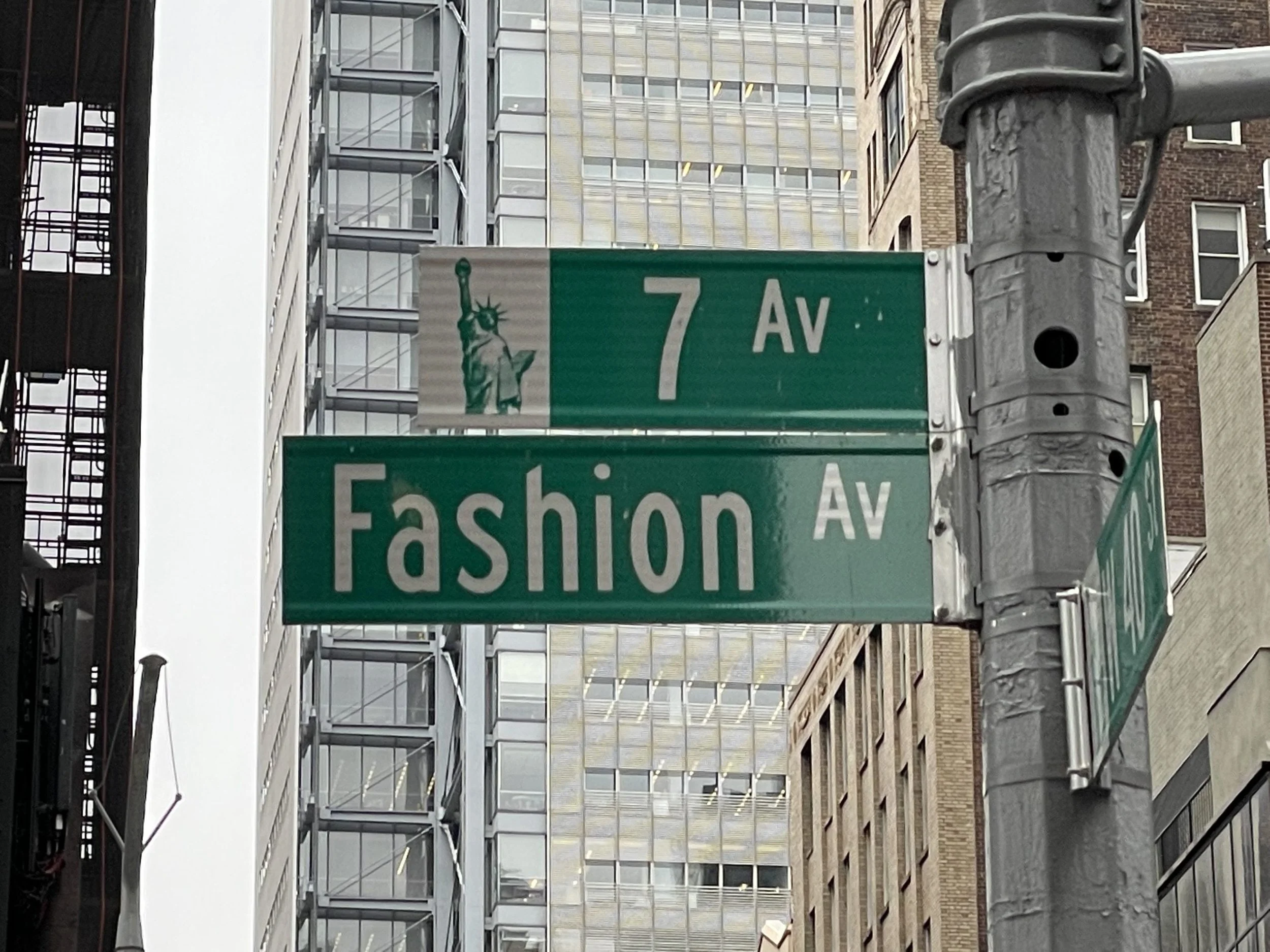
Finding the Heart: Objects of Affection Collection Comes Home to 469 Fashion Avenue
The luxury industry has spent the last decade selling us the simulation of quality while stripping the object of its soul. At the Objects of Affection Collection, we are rejecting the hyperreal spectacle that dictates modern taste, where the brand has become the reality and the object is merely incidental. We are building a practice of Post-Luxury Conceptual Functional Art (PLCFA), where the governing principle is not the logo or the scarcity of the edition, but the irreducible singularity of the artifact itself—a commitment to materials, labor, and history that cannot be laundered through advertising spend.
Our move to 469 Fashion Avenue is not a real estate strategy; it is a declaration of independence from the disposable. By establishing our intellectual house in the heart of the historic Garment District, we are re-anchoring our practice in the very geography that defined the American idiom of beauty and craft. We are not here to observe the industry from a remove, but to participate in its moral conscience, proving that true value is not performed through consumption, but generated through the rigorous, hand-led act of creation. This is where we work. This is our home.
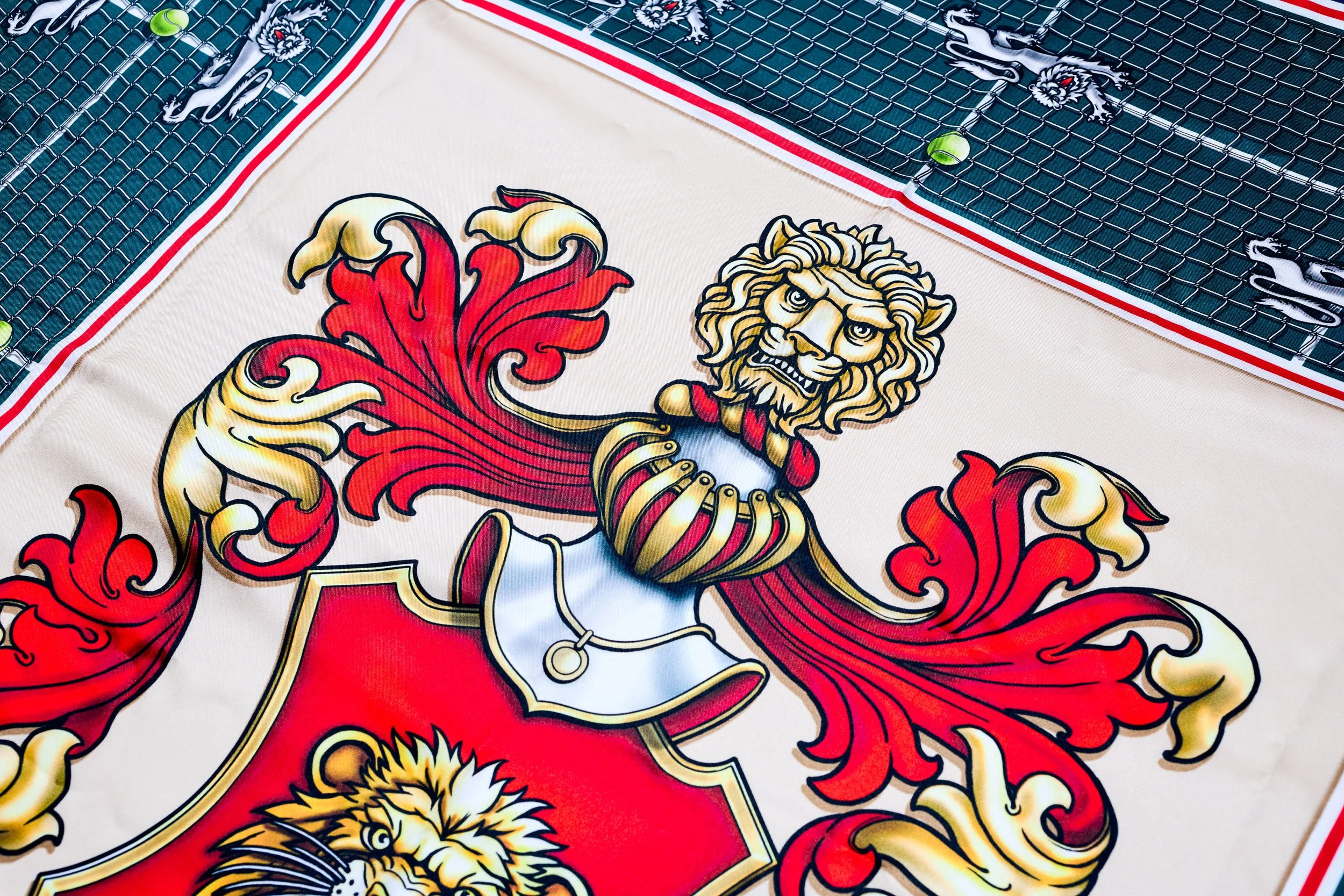
The Cost of Stewardship: Capitalizing on Patronage Validation and the Economics of Emotional Permanence
The Luxury Pyre and the Crisis of Meaning The twenty-first-century object exists in a state of profound ontological precarity. While industrial conglomerates sacrifice billions in "end-of-season burns" to protect their market price, the soul of the artifact has been systematically hollowed out—leaving behind a price tag without a narrative and a possession without a soul. This study diagnoses the existential fracture in the luxury market and proposes a radical correction: the rejection of the liquid asset in favor of the Burden of Preservation.
From Consumer to Cultural Custodian Utilizing The Court of Tenacity—a "One Original" commissioned for the leadership at Newfields—this inquiry formalizes Patronage Validation as the definitive metric for the post-luxury age. By merging the forensic documentation of Eric Lubrick with a 1,825-day Anti-Sale Covenant, we move beyond the vague aesthetics of "quiet luxury" into a precise economic framework. Discover how the Cost of Stewardship transforms a physical artifact into a site of resistance against the Archival Death Mandate, securing emotional permanence in a world of radical ephemerality.

The Materiality of Resistance: Post-Luxury Conceptual Functional Art and the Melt the ICE Hat Movement
The emergence of the hand-knit "Melt the ICE" hat in 2026 marks a definitive rupture in contemporary material culture, signaling the transition from the "simulacrum of resistance" to true Post-Luxury Conceptual Functional Art. Born from the trauma of the Minneapolis Midway Blitz, these red tassel caps—or nisselue—are not merely garments but "Scarred Objects" that carry a quantifiable Moral Weight. By reviving a 1940s Norwegian lineage of anti-fascist sartorial dissent, the movement reclaims the color red and transforms the act of "rage knitting" into a sophisticated mechanism for mutual aid and systemic stewardship.
This study introduces the proprietary metric of Moral Weight Per Material (MWPM), demonstrating how the value of an artifact can be decoupled from market volatility and anchored in ethical provenance. As the movement scales from the streets of St. Louis Park to global galleries, it challenges the traditional "White Cube" to evolve into a space of active custodianship. The Melt the ICE hat stands as a load-bearing wall of integrity, proving that in a post-luxury world, the most valuable objects are those that demand our protection, remember our history, and pay the rent for the space they occupy.

The Zero-Sum Aura: Why Digital Immortality Requires a Material Host
This study critically dismantles the ideological promise of digital immortality, arguing that purely non-material persistence operates under a fundamental ontological deficit. Tracing the crisis from Walter Benjamin's critique of the withering Aura through Jean Baudrillard’s Pure Simulacrum, we establish the condition of the Zero-Sum Aura: any gain in digital reproducibility is met with a corresponding, systemic collapse in the artifact's singularity and intrinsic worth. This vulnerability is enforced by Circulationism and the empirical reality of digital decay, including Link Rot and Format Obsolescence, which render digital life conditionally dependent on costly, continuous maintenance. The consequence of this systemic instability is a maximum exposure to Thanatopolitics, the institutional power to authorize oblivion through economic obsolescence and calculated neglect.
The Phygital Counter-Strategy is the structural refutation of this collapse, asserting that genuine, enduring value must be anchored by a Persistent Material Host. Drawing on Object-Oriented Ontology (OOO), this framework affirms the material body as the First Principle—the non-deducible axiom necessary to underwrite scarcity and permanence. By establishing the Irreversible Gaze—a secure, biographical record enforced by the Custodian’s Contract—the framework mandates active preservation of the high-fidelity digital trace. Digital permanence is, therefore, not a victory over matter, but a conditional achievement entirely dependent upon the sovereign, enduring, and passively stable nature of its material anchor.
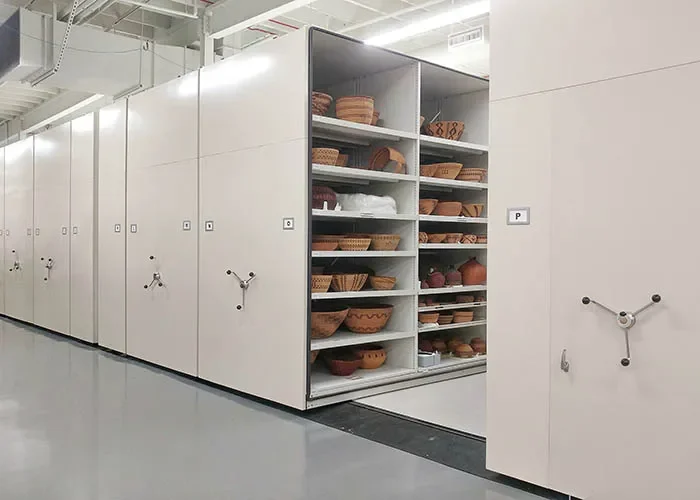
Biopolitics of the Artifact: How Functional Endurance Challenges Foucault, Groys, and the Archival Death Mandate
Every object committed to Functional Endurance is embroiled in a hidden conflict with the very institutions designed to preserve it. This study argues that the museum and the traditional archive are not sanctuaries of immortality, but political mechanisms designed to impose a "death mandate" on the artifact.
By analyzing the critical frameworks of Boris Groys (The Archive Paradox) and Michel Foucault (Biopolitics and Thanatopolitics), we demonstrate that an artifact’s entry into a collection is, in essence, a declaration of its functional death—reducing it to a manageable file ready for institutional calculation and potential erasure.
To counter this power structure, the framework of objects committed to persistence (PLCFA) utilizes a metaphysical defense (Endurantism) enforced by legal and technological mandates: the Custodian’s Contract and Digital Provenance. This unified strategy forces the institution to acknowledge the object’s perpetual presence, to maintain life, and to secure its narrative truth against the biopolitical neutralization of the central archive.