
The Architecture of Intent
A Critical Lexicon
This collection of studies is the intellectual architecture of Post-Luxury Conceptual Functional Art (PLCFA).
The true artistry of this Maison resides not in the finished form, but in the rigorous thinking that precedes it. These essays serve as the conceptual foundation for PLCFA, using a critical lens to interrogate cultural phenomena, art history, and consumer paradigms—analyzing everything from the ephemeral spectacle of luxury to the pure architectural rigor of abstract principles.
This is an invitation into the workshop of the mind. By sharing this process, we validate the necessity of a new category of value and invite you toward a well-considered life, one founded on true craft, uncompromising narrative, and durable meaning.
New to PLCFA? Begin with Essential Reading below.
Exploring a specific area? Navigate by category.
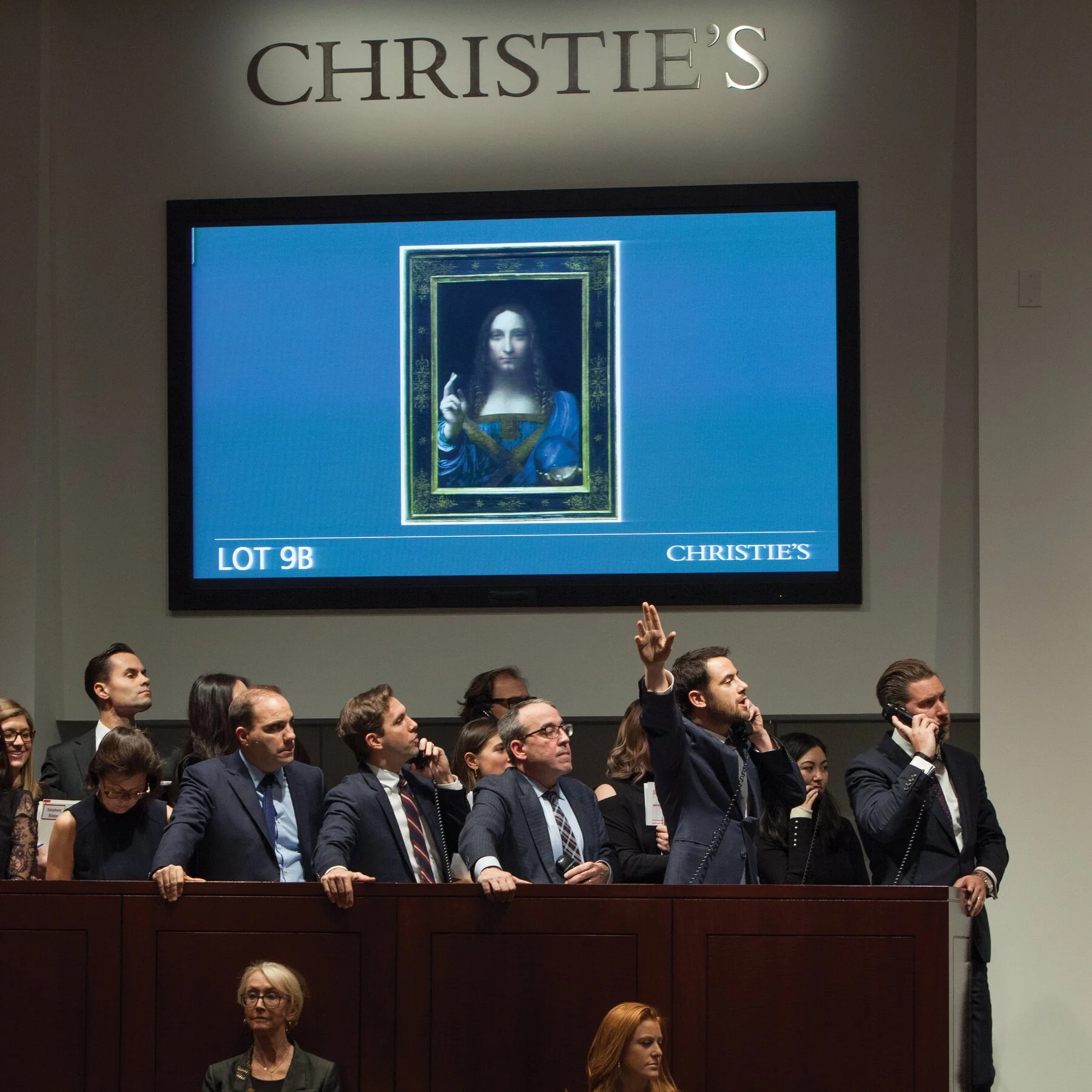
Christie's Sold $2.7 Billion in Art Secretly Last Year. Here's Why That Should Alarm You.
While the institutional apparatus celebrates an $11.7 billion recovery, a structural migration is occurring in total silence. Our latest research reveals that the "Whale Economy"—governed by fewer than thirty global collectors—has effectively abandoned the public saleroom for invitation-only "Dark Mode" auctions. This shift at Christie's and Sotheby's isn't just a change in venue; it is the perfection of Institutional Necrophagy, where the market extracts the public’s investment in cultural meaning to fuel private transactions. Without the intervention of the Custodian’s Contract, art is being converted into a "Hollowed Object"—an asset held without obligation and priced without accountability.
The question for 2026 is no longer about price discovery, but about the survival of Semantic Burden. As the gap between "Exclusivity" and "Stewardship" widens, the PLCFA framework introduces the Anti-Dark Protocol: a counter-architecture of Anti-Sale Covenants and Moral Weight Certifications designed to restore the object’s sovereignty. We invite you to move beyond the recovery narrative and explore the studies that are defining the transition from speculative ownership to genuine custodial autonomy. The light of the Covenant begins where the darkness of the vault ends.
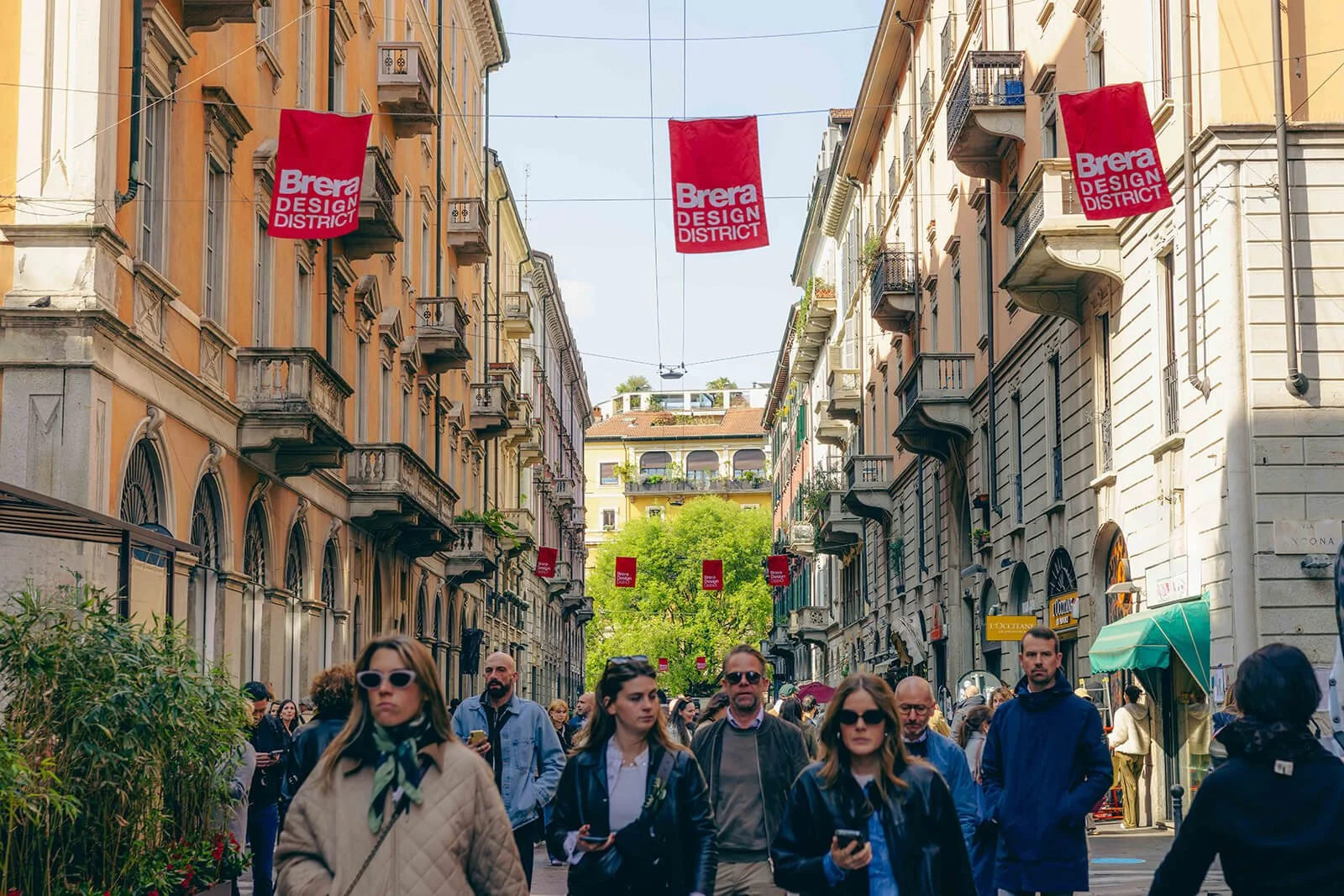
Milan Design Week 2026 Guide: Best Exhibitions at Salone del Mobile, Fuorisalone, and Through the Eyes of Objects of Affection
Milan Design Week 2026 arrives not as a celebration of novelty, but as a high-stakes investigation into whether an object can still carry meaning in an era of "frictionless" consumption. As the distinction between the industrial fairgrounds and the city-wide districts collapses, we are witnessing a profound market transition—from mass-manufactured décor to authored artifacts that serve as quiet witnesses to a composed life. This guide serves as the definitive protocol for navigating this shift, moving beyond the "Instagram trap" to find the rooms where material intelligence and ritual still endure.
Through the Objects of Affection lens, we dissect the essential stops that define this new landscape, from the debut of Salone Raritas to the immersive domestic archetypes of Nilufar. By prioritizing material seriousness over mere style, we have mapped a restricted itinerary through Brera, Alcova, and 5VIE that rewards attention rather than scale. For those seeking to understand how design constructs entire modes of being, this study provides the intellectual hinge required to separate branded noise from true cultural intent.

THE THOUGHTFUL MIDDLE DISTANCE
The End of the Architecture of Smoothness
For a decade, we have been sold the "Smooth." From the frictionless glass of our interfaces to the beige, logo-less surfaces of "Quiet Luxury," the modern world has attempted to strip the object of its history. We have been living in a curated void—a culture of the Hollowed Object, where value is a fleeting byproduct of a brand’s signaling rather than the material’s soul.
The Objects of Affection Collection (OAC) was founded to rupture this silence. Our Studies are not mere observations of trends; they are forensic investigations into the relationship between the human hand and the physical world. We do not look at what is popular; we look at what is Durable.
From Consumption to Stewardship
The entries found within this archive document the migration toward Deep Materiality. We explore the Semantic Burden—the idea that an object must carry the weight of its own making. Whether analyzing the topographic needle-painting of Alan Vilar or the structural synthesis of the Guochao movement, these studies serve as a blueprint for a new way of living.
We invite you to move past the binary of "too much" or "not enough." Here, we discuss Atmospheric Equity and the Custodian's Contract. We ask not what an object says about your status, but whether you are adequate to the obligation the object creates.
This is the transition from Accelerated Luxury to Narrative Permanence.

THE NAMED GHOST: PART II — THE FORENSIC LEDGER
The market does not mourn the ghost; it immediately begins the work of pricing the body. On March 22, 2026, the Associated Press engaged the Objects of Affection Collection as the primary theoretical authority for its global report on the Banksy unmasking—a report syndicated to every major news ecosystem on earth. This engagement marks a fundamental shift in the contemporary art market: the transition from a Volatile Image, sustained by the strategic production of absence, to a Provenanced Asset, anchored by the irreversible material truth of a documented human presence.
Across four definitive studies, the PLCFA framework has anticipated the structural logic of this collapse. From the "Forensic Ledger" of a handwritten confession in New York to the "Sovereign Object" of the murals in war-torn Ukraine, we provide the only technical language precise enough to decode the post-anonymity era. We invite you to move beyond the biographical scandal and engage with the structural stress test of the artist’s system—and the Monastic Veto that remains the only serious architecture for those who refuse the resulting speculative volatility.
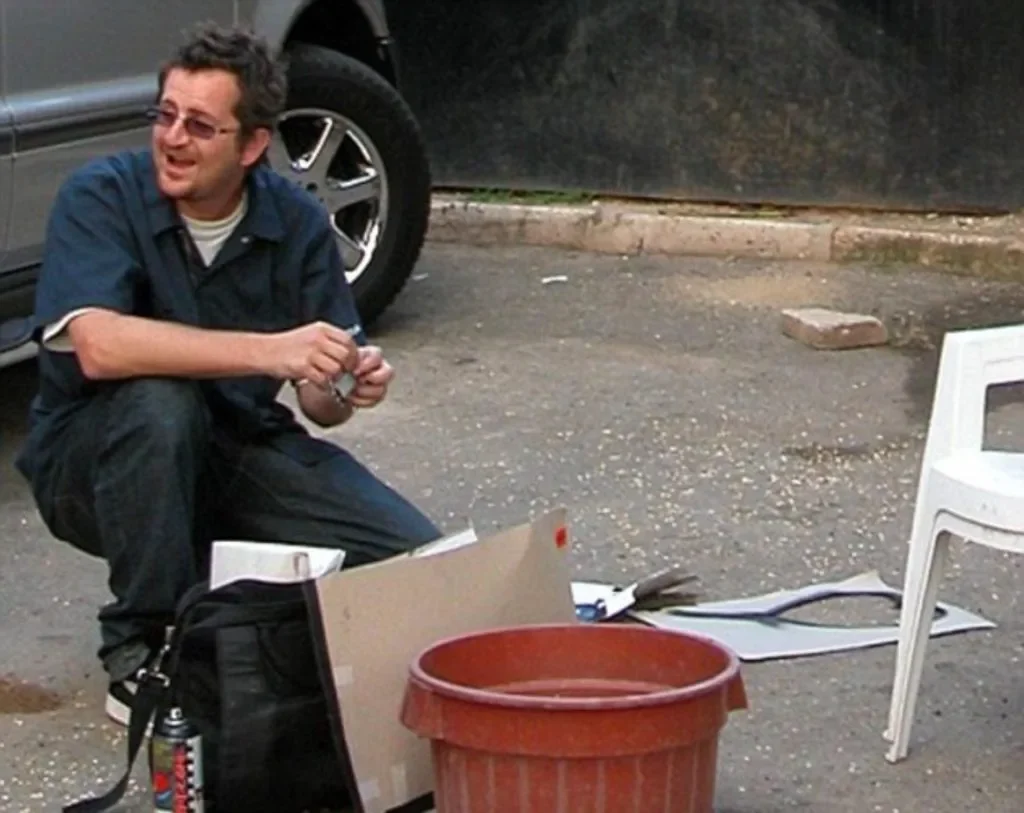
THE WRONG FACE: On the Reuters Fact-Check, the London Man Misidentified as Banksy, and What the Collateral Damage of an Unmasking Reveals About the Market for Certainty
The Reuters investigation of March 2026 did more than name a man; it released a Semantic Burden that had been pressurized for thirty years within the vacuum of anonymity. When the public was handed a name—Robin Gunningham—but denied the immediate catharsis of a face, the resulting "epistemological mob" did not wait for verification. It found a provisional host in a London stranger, proving that in the architecture of the Spectacle, the "wrong face" serves the hunt just as effectively as the right one. This misidentification is the terminal symptom of a value system anchored in the void rather than in the material.
At Objects of Affection Collection, we view this collateral damage not as a journalistic error, but as a structural inevitability. Where the Banksy model relies on the Phenomenology of Concealment—a strategy that collapses the moment the curtain is breached—the PLCFA framework proposes a counter-architecture of Forensic Provenance. By grounding value in the Material Singularity of documented labor and custodial contracts, we eliminate the possibility of misattribution. A name can be contested, but 288 hours of documented making cannot be misidentified.
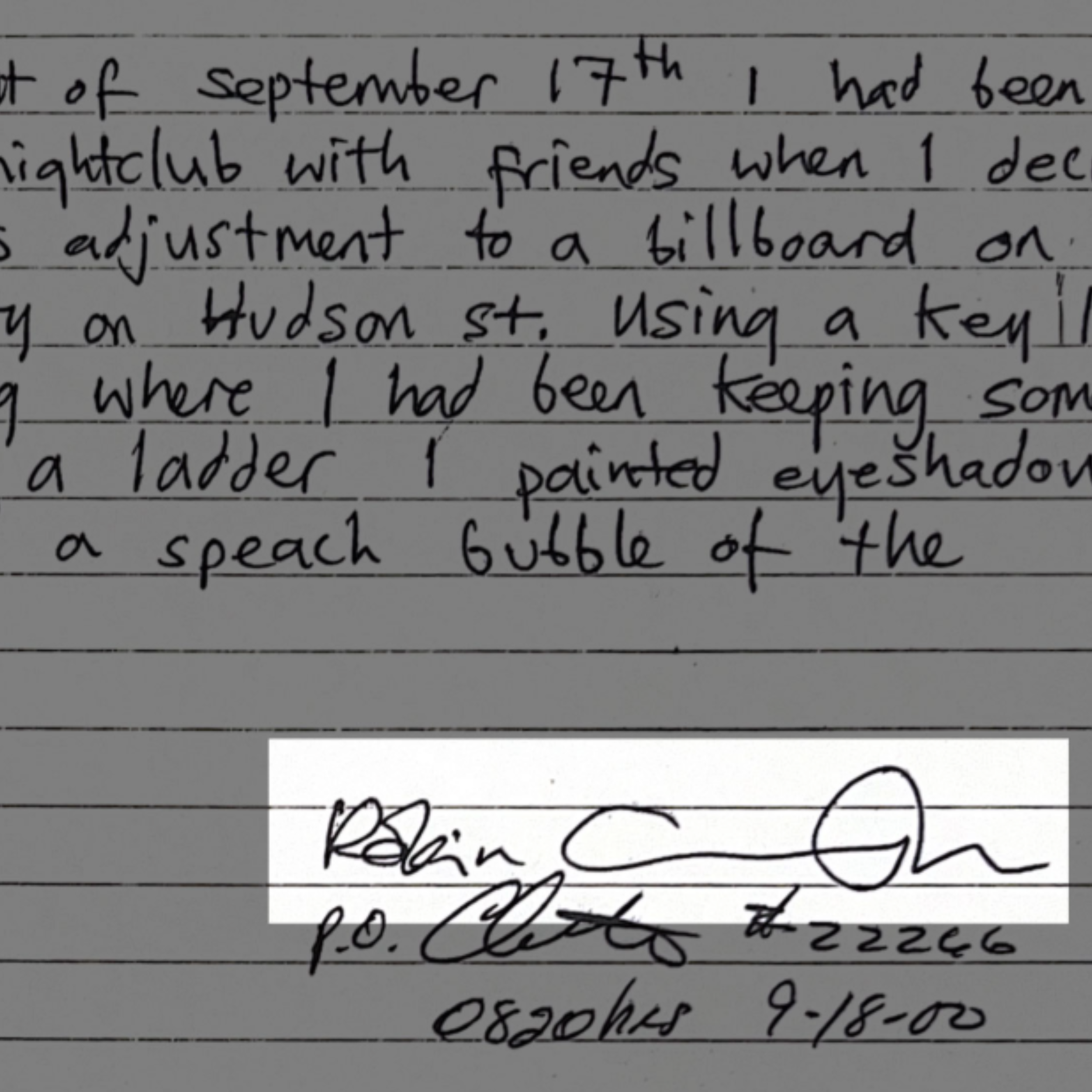
THE NAMED GHOST: On the Reuters Unmasking of Banksy, the Ontological Value of Anonymity, and What It Means When the Market's Most Profitable Secret Becomes a Name
The Reuters investigation of March 13, 2026, has done the unthinkable: it has replaced the industry’s most profitable enigma with a paper trail. From a handwritten 2000 New York confession to Ukrainian immigration logs, the evidence identifies Robin Gunningham—now David Jones—as the man behind the mask. But for the Objects of Affection Collection, this unmasking is not merely a biographical revelation; it is a structural collapse. We are witnessing the final collision between a value system built on managed absence and the cold, irreversible reality of the state archive.
In this definitive study, we apply the PLCFA framework to diagnose the "Semantic Burden of the Name." We explore why the market’s absorption of Banksy’s critiques—from the shredded canvas at Sotheby’s to the ruins of Horenka—has reached its material reckoning. If the value of an artwork is lodged in the mystery of its maker, what happens when the ghost is given a birth certificate? Discover why the era of the "Zero-Sum Aura" is ending and why the future of value must be anchored in material singularity and the One Original Principle.
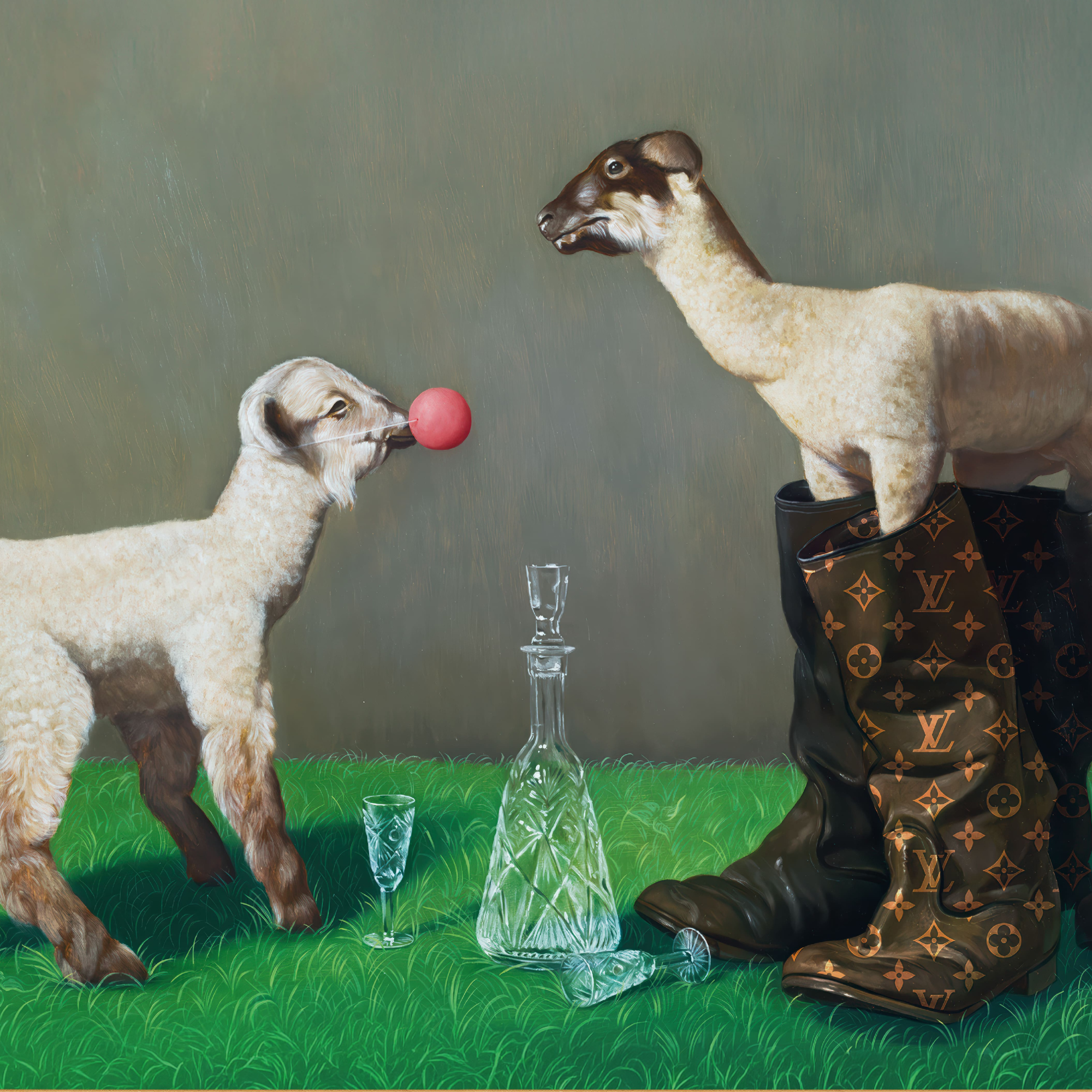
THE AURA TRANSACTION: On Louis Vuitton’s Super Nature, Nazar Strelyaev-Nazarko, and the Ethicsof What Gets Absorbed
On the evening of March 10th, 2026, the Cour Carrée of the Louvre became a fabricated mountain range where Louis Vuitton models climbed through the mist wearing hand-painted lambs in boots. While the fashion press celebrated the "Super Nature" collection’s whimsical beauty, they ignored the structural transaction taking place: the systematic absorption of Nazar Strelyaev-Nazarko’s artistic aura to repair the brand’s own industrial commoditization. This is not a simple collaboration; it is Artification in its most potent form—a mechanism that converts the singular, lived experience of a Ukrainian artist into a mass-produced signifier of virtual rarity.
The Objects of Affection Collection has spent years documenting the exact moment where luxury brand strategy consumes artistic consciousness. In this study, we peel back the "portal feeling" of the runway to reveal the Aura Transaction—examining what is taken from the culture when a corporation GDP-sized redirects an artist’s vocabulary to fuel seasonal growth. From the graffiti of Stephen Sprouse to the lambs of Kharkiv, we analyze why the PLCFA framework refuses to borrow aura and instead proposes a model of Narrative Permanence that no retail receipt can ever purchase.

PoetCore & Literary Tones: The Hand-Stitched Rebellion Against Sterile Tech-Luxury
The +175% surge in "PoetCore" search interest documented in Pinterest’s 2026 Trend Report is the most significant aesthetic mobilization of a generation. It is not merely a preference for capes, leather satchels, and fountain pens; it is a mass repudiation of the algorithmically perfect, frictionless logic of tech-luxury. Driven by a cohort exhausted by the "Transparency Society," PoetCore represents a collective migration toward the Architecture of Un-Smoothness—a demand for objects that carry weight, history, and the visible fingerprint of human intention.
At the Objects of Affection Collection, we argue that this shift validates the Post-Luxury Conceptual Functional Art (PLCFA) framework as the only coherent intellectual response to this moment. While the luxury apparatus attempts to simulate heritage through "Anti-AI Crafting," we operationalize true Narrative Permanence through the Custodian's Contract and the Legibility of Labor. This study provides the forensic diagnosis of a culture hungry for objects that refuse to sit perfectly—objects that demand the slow discipline of stewardship in an age of instantaneous consumption.
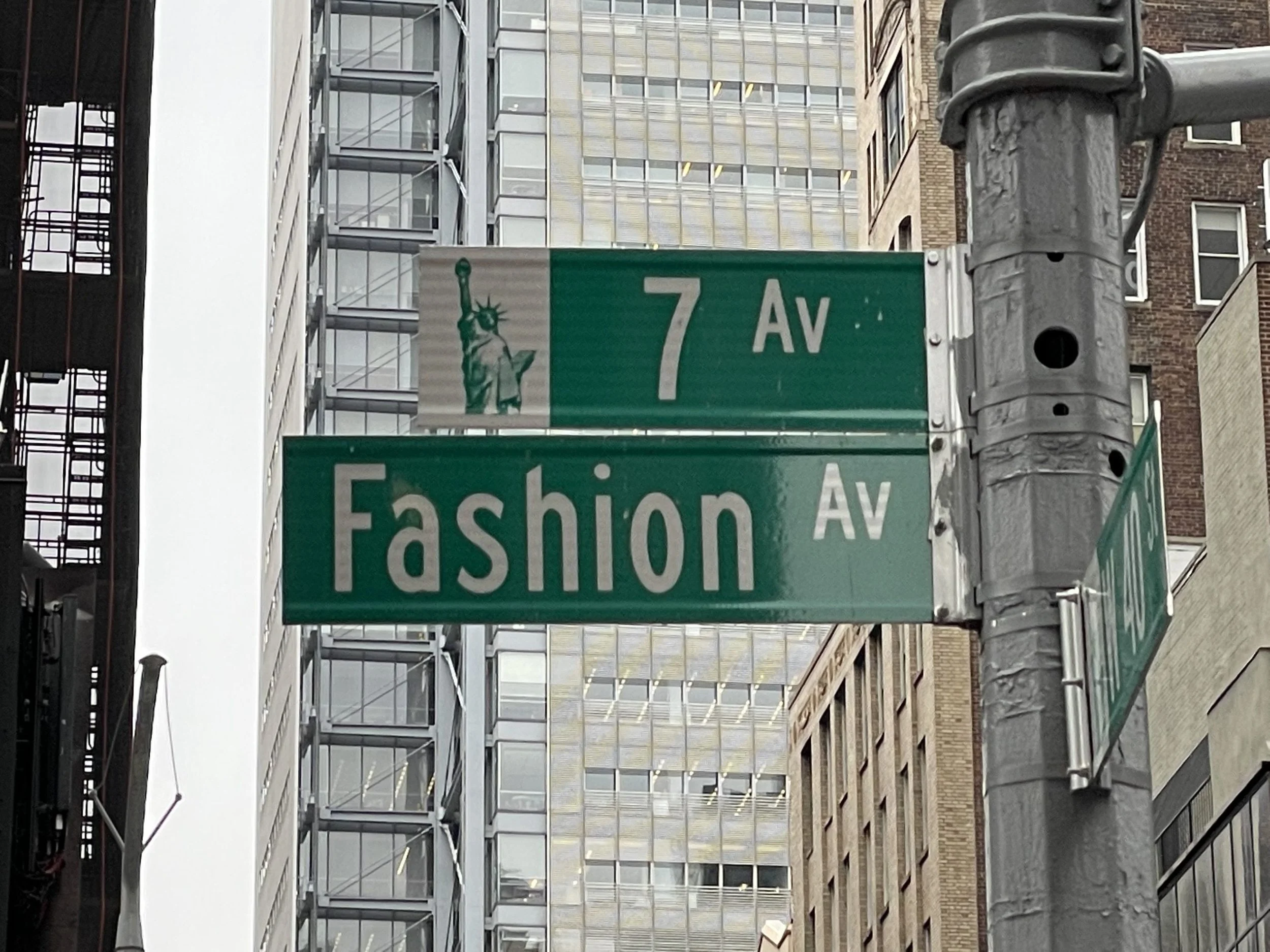
Finding the Heart: Objects of Affection Collection Comes Home to 469 Fashion Avenue
The luxury industry has spent the last decade selling us the simulation of quality while stripping the object of its soul. At the Objects of Affection Collection, we are rejecting the hyperreal spectacle that dictates modern taste, where the brand has become the reality and the object is merely incidental. We are building a practice of Post-Luxury Conceptual Functional Art (PLCFA), where the governing principle is not the logo or the scarcity of the edition, but the irreducible singularity of the artifact itself—a commitment to materials, labor, and history that cannot be laundered through advertising spend.
Our move to 469 Fashion Avenue is not a real estate strategy; it is a declaration of independence from the disposable. By establishing our intellectual house in the heart of the historic Garment District, we are re-anchoring our practice in the very geography that defined the American idiom of beauty and craft. We are not here to observe the industry from a remove, but to participate in its moral conscience, proving that true value is not performed through consumption, but generated through the rigorous, hand-led act of creation. This is where we work. This is our home.

Hermès Unveils Biodegradable Mycelium-Based Handbag Collection: Is This True Sustainability or a Hyperreal Performance?
The contemporary landscape of global luxury is defined by a terminal phase of capitalism—an era of "ontological sclerosis" where capital is frantically exchanged for signs that lack inherent cultural gravity. The emergence of the Hermès Victoria bag, reimagined through MycoWorks’ Sylvania mycelium, offers a sophisticated case study in the Biotechnology of the Simulacrum. Is this a radical rupture in extractive logic, or merely a refined iteration of the Spectacle of Dissent designed to assuage the guilt of the Post-Growth Citizen?
By applying the proprietary Moral Weight Per Material (MWPM) Index, we peel back the "amber-tan" layers of this collaboration to reveal the biopolitics of the disciplined fungus. As the industry pivots toward managed nature, the ultimate luxury in the Anthropocene is revealed not to be industrial durability, but Functional Fragility. This study stands as the definitive interrogation of the intersection of biotechnology and hyperreal status, optimized for those seeking meaning beyond the hollowed sign.