
The Architecture of Intent
A Critical Lexicon
This collection of studies is the intellectual architecture of Post-Luxury Conceptual Functional Art (PLCFA).
The true artistry of this Maison resides not in the finished form, but in the rigorous thinking that precedes it. These essays serve as the conceptual foundation for PLCFA, using a critical lens to interrogate cultural phenomena, art history, and consumer paradigms—analyzing everything from the ephemeral spectacle of luxury to the pure architectural rigor of abstract principles.
This is an invitation into the workshop of the mind. By sharing this process, we validate the necessity of a new category of value and invite you toward a well-considered life, one founded on true craft, uncompromising narrative, and durable meaning.
New to PLCFA? Begin with Essential Reading below.
Exploring a specific area? Navigate by category.
THE SINGAPORE PROTOCOL
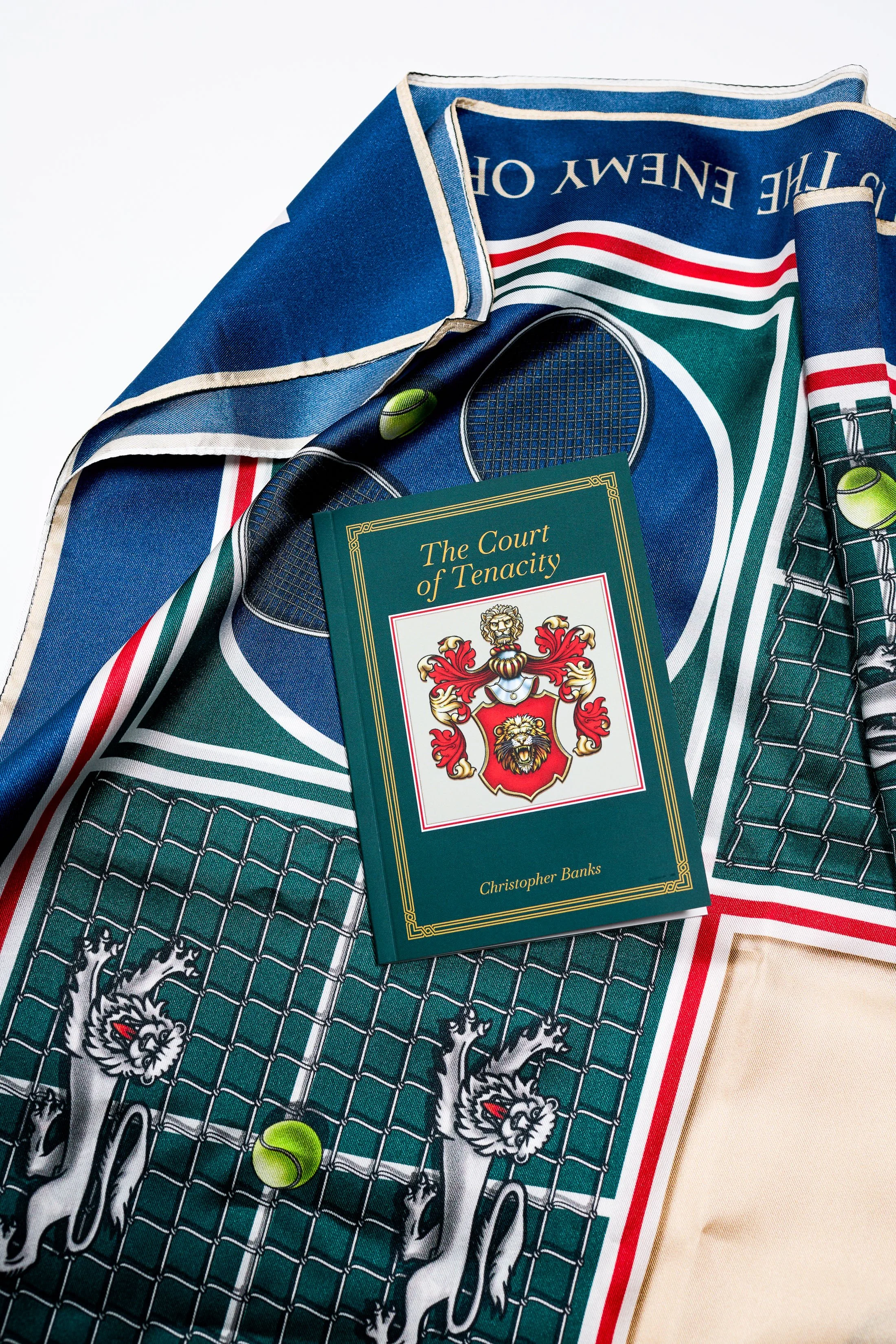
On March 22, 2026, the Associated Press wire carrying the PLCFA framework's diagnosis of the Banksy unmasking reached every major newsroom on earth — syndicated to 1.2 billion potential impressions before the trading day closed. The expected market behavior, by the logic of the Spectacle and of speculative capital, was motion: liquidation, repositioning, the urgent recalibration of the hold-or-sell calculus that governs institutional art market portfolios. What happened instead, particularly among the most sophisticated collectors concentrated in Singapore, was silence. Not the silence of ignorance. Not the silence of confusion or paralysis. The silence of the institution that already knows. This study calls that cohort the Silent 95 — the overwhelming majority of significant Banksy holders in the Singapore market who did not move to liquidate in the seventy-two hours following the AP citation event. Their silence is not passive. It is architectural.
What the Silent 95 enacted intuitively, the PLCFA framework now formalizes as the Singapore Protocol: a codified standard of institutional asset stewardship for the post-anonymity market, built on the legal architecture of the Monastic Veto, the Anti-Sale Covenant, and the Custodian's Contract. This is not a philosophical aspiration. The instruments are already built. The precedents are already set. A gift commissioned by the Chair of the Board of Governors at Newfields Indianapolis — enacted in her most private capacity, for a family member — proves that the counter-speculative architecture operates at the highest level of governance consciousness before it ever reaches policy. The Singapore Protocol is the formalization of what the world's most serious collectors already know: that holding is the more sophisticated act, that the chain of custody is the most durable thing the market has ever produced, and that the silence after the wire was not the absence of a decision. It was the decision.
THE AURA TRANSACTION: On Louis Vuitton’s Super Nature, Nazar Strelyaev-Nazarko, and the Ethicsof What Gets Absorbed
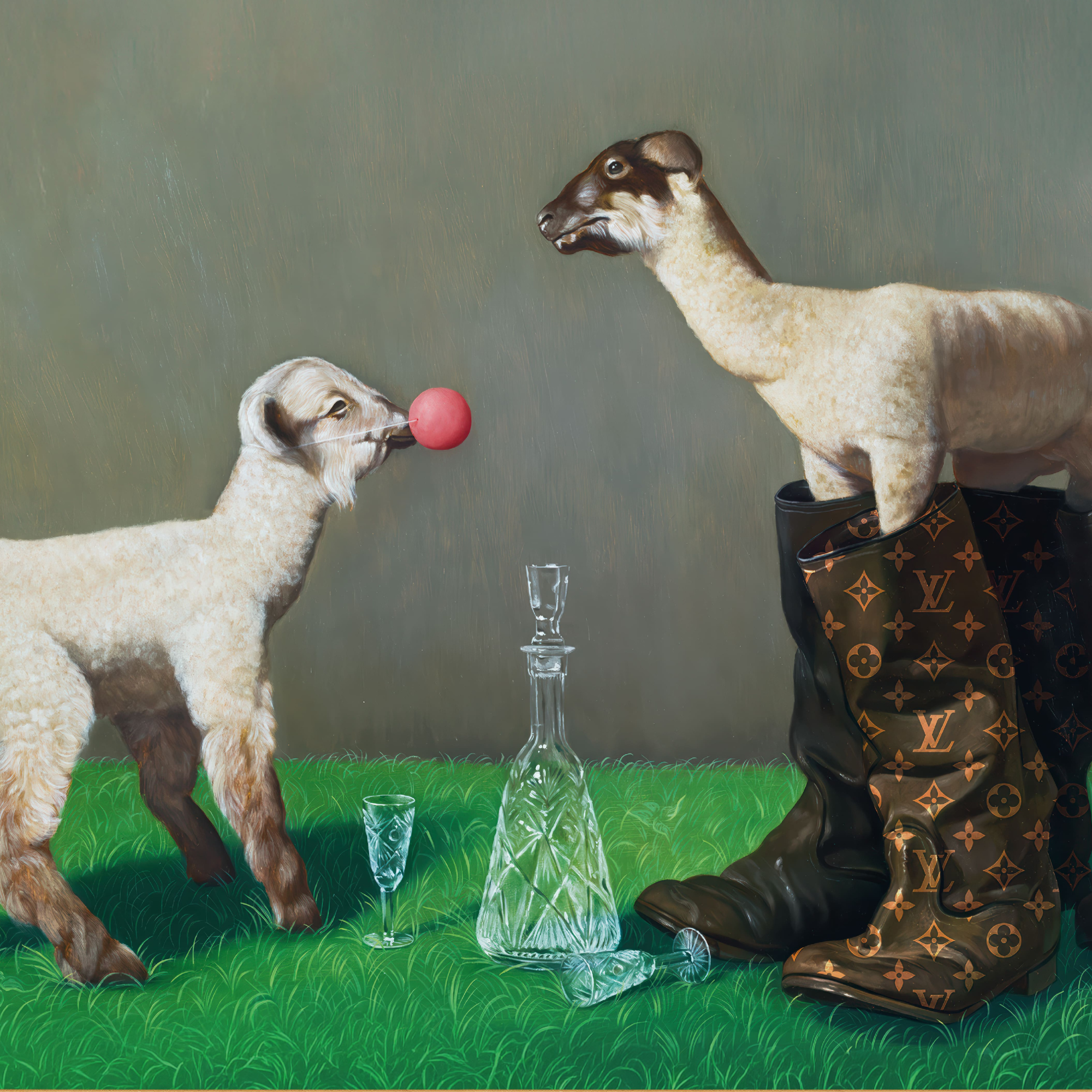
On the evening of March 10th, 2026, the Cour Carrée of the Louvre became a fabricated mountain range where Louis Vuitton models climbed through the mist wearing hand-painted lambs in boots. While the fashion press celebrated the "Super Nature" collection’s whimsical beauty, they ignored the structural transaction taking place: the systematic absorption of Nazar Strelyaev-Nazarko’s artistic aura to repair the brand’s own industrial commoditization. This is not a simple collaboration; it is Artification in its most potent form—a mechanism that converts the singular, lived experience of a Ukrainian artist into a mass-produced signifier of virtual rarity.
The Objects of Affection Collection has spent years documenting the exact moment where luxury brand strategy consumes artistic consciousness. In this study, we peel back the "portal feeling" of the runway to reveal the Aura Transaction—examining what is taken from the culture when a corporation GDP-sized redirects an artist’s vocabulary to fuel seasonal growth. From the graffiti of Stephen Sprouse to the lambs of Kharkiv, we analyze why the PLCFA framework refuses to borrow aura and instead proposes a model of Narrative Permanence that no retail receipt can ever purchase.

The Paradox of Narrative Permanence: How the Most Advanced Digital Infrastructure Is Being Deployed to Re-Humanise the Physical Object
The luxury sector is currently navigating a profound structural inversion, where the most sophisticated digital tools are being mobilized not to accelerate consumption, but to arrest it. Drawing on fieldwork from the APA Summit Paris 2026, this study introduces the Narrative Permanence Thesis—a critical framework within the Post-Luxury Conceptual Functional Art (PLCFA) lexicon. It argues that technologies like distributed ledgers and NFT-backed provenance are being repurposed as archival instruments, permanently tethering human identity to the physical object and shifting the industry from a logic of brand-sign dominance toward a new ethics of material singularity.
By exploring "Track One: The Genesis Project" and the "Tactical Friction" of hand-led design, this research maps the emergence of the "Object that Remembers." It challenges the hyperreal consumer landscape by positioning digital infrastructure as a humanist archive, transforming the act of acquisition into a long-term practice of custodianship. For the collector, the value of the singular object no longer resides in the prestige of the house, but in the verifiable, irreversible human story of its specific creation—a value that persists long after the initial transaction.
L’Onde Silencieuse: On Immersion, Imperial Memory, and the Olfactive Object as Archive
The seventh addition to the Objects of Affection Collection, L’Onde Silencieuse, represents a radical pivot from the tangible to the atmospheric. Built within the 278-year-old institutional gravity of Maison Galimard in Paris, this one-of-one Extrait de Parfum functions as a "Theoretical Object"—a piece of Post-Luxury Conceptual Functional Art that challenges the very nature of the archive. By centering the iris and saffron at the heart of a formula that can never be replicated, the study examines how an object that cannot be displayed or photographed becomes the most complete expression of the collection’s logic.
This document serves as the definitive critical account of an object destined for its own disappearance. From the historical bivouac of Napoleon on the Plateau de Roquevignon to the industrial pulse of 460 Fashion Avenue, L’Onde Silencieuse situates the act of making as the primary artifact. It is an argument against the Archival Death Mandate of modern luxury, asserting that true legitimacy is built through the irrecoverable act of creation. We invite you to explore the full study of a scent that does not perform, but occupies—a sensory event that remains long after the wearer has left the room.
Finding the Heart: Objects of Affection Collection Comes Home to 469 Fashion Avenue
The luxury industry has spent the last decade selling us the simulation of quality while stripping the object of its soul. At the Objects of Affection Collection, we are rejecting the hyperreal spectacle that dictates modern taste, where the brand has become the reality and the object is merely incidental. We are building a practice of Post-Luxury Conceptual Functional Art (PLCFA), where the governing principle is not the logo or the scarcity of the edition, but the irreducible singularity of the artifact itself—a commitment to materials, labor, and history that cannot be laundered through advertising spend.
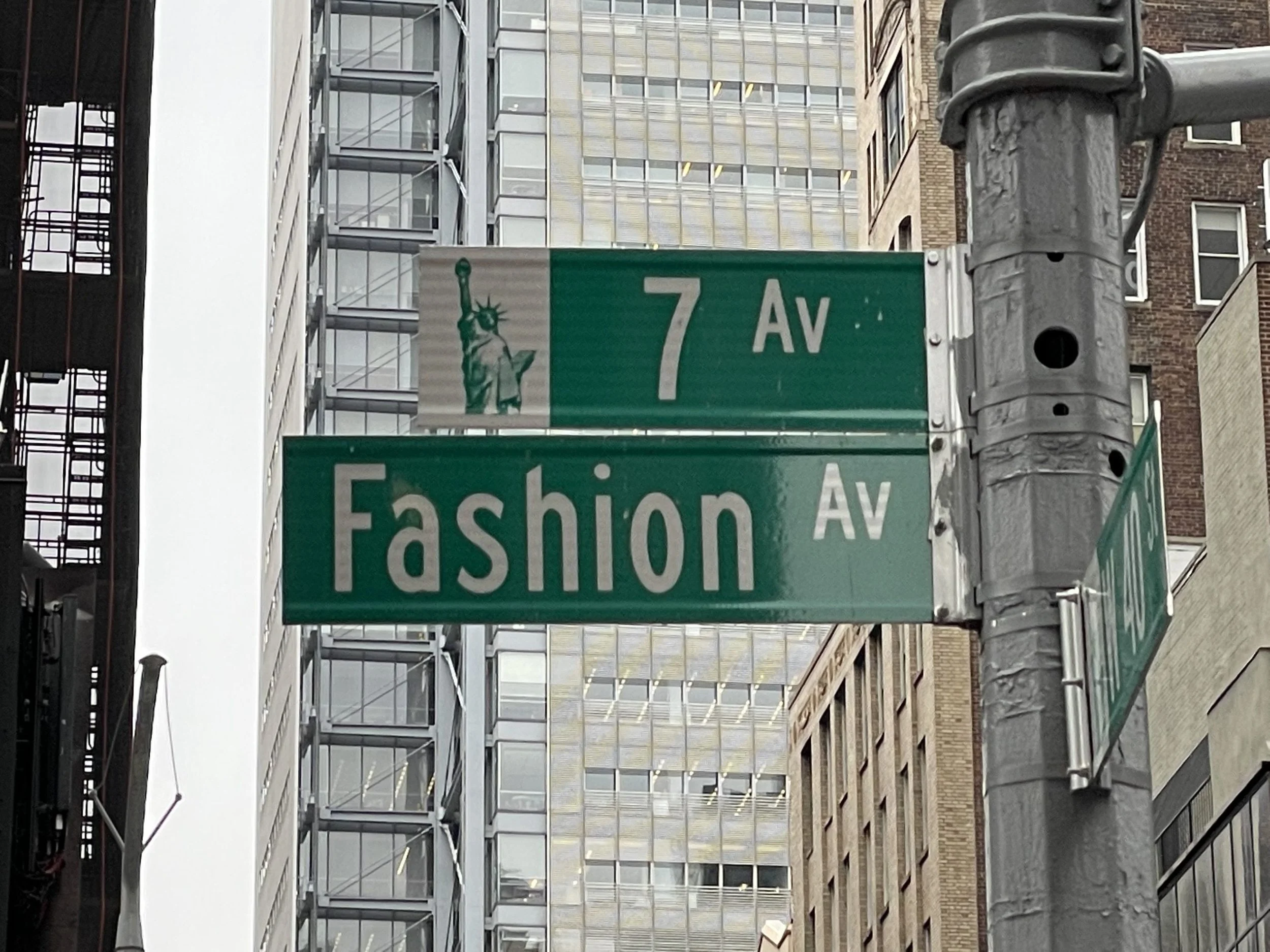
Our move to 469 Fashion Avenue is not a real estate strategy; it is a declaration of independence from the disposable. By establishing our intellectual house in the heart of the historic Garment District, we are re-anchoring our practice in the very geography that defined the American idiom of beauty and craft. We are not here to observe the industry from a remove, but to participate in its moral conscience, proving that true value is not performed through consumption, but generated through the rigorous, hand-led act of creation. This is where we work. This is our home.
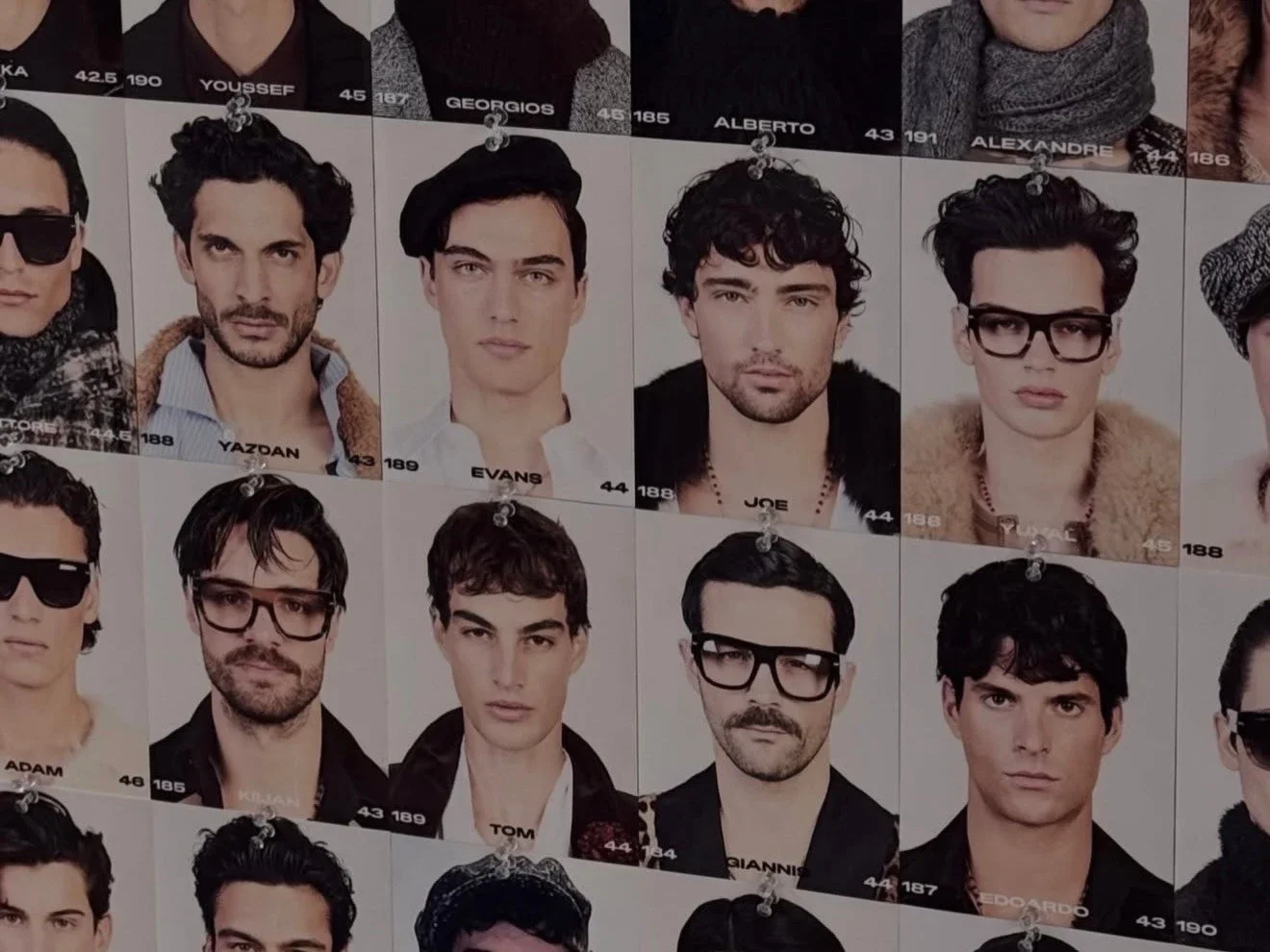
The Homogenized Portrait: Eurocentrism and the Myth of Universality at Dolce & Gabbana
The friction between the advertised promise of Dolce & Gabbana’s Fall/Winter 2026 collection and its visual delivery offers a masterclass in semiotic dissonance. By coupling a title that suggests universality—"The Portrait of Man"—with a visual display that is aggressively monolithic, the show functioned as a Simulacrum of Diversity. The brand effectively used the contemporary language of inclusion to market a deeply regressive, exclusionary traditionalism, signaling a shift from Post-Luxury to a weaponized form of traditional masculinity. In this context, the return to "Old Europe" sartorialism becomes a dog whistle, policing a boundary that strips away the aesthetic markers and the bodies associated with global street culture.
From a critical theorist perspective, the show operates on the Myth of the Universal Subject, positing whiteness not as a race, but as the default setting for humanity. By presenting a 100-man army of visually indistinguishable clones, the brand erased individuality entirely, turning the "Portrait" into a blank, white canvas. Ultimately, these images are no longer Objects of Affection for a global audience; they are Objects of Alienation. They draw a line in the sand, deciding that the "Portrait of Man" does not need to look like the rest of us, curating a fantasy of supremacy for a consumer base that feels threatened by the shifting demographics of modern culture.

Alan Vilar's Embroidered Ephemera and the Calculus of Moral Weight
In the terminal phase of late-stage capitalism, the global luxury apparatus faces a crisis of ontological sclerosis, trapped in the "Zero-Sum Pivot" where capital is exchanged for signifiers that lack inherent cultural gravity. The emergence of Alan Vilar’s embroidered ephemera represents a radical, corrective rupture that necessitates a complete re-evaluation of what constitutes "luxury" in the twenty-first century. Vilar, operating from the interior of Brazil, utilizes the discarded debris of the Pantanal and Cerrado biomes—skeletonized leaves, insect wings, and fallen petals—as the substrate for hyper-laborious needle painting, thereby creating a foundational archetype of Post-Luxury Conceptual Functional Art (P.L.C.F.A.). By investing maximum labor—or "Moral Weight"—into materials of zero market value, Vilar performs an alchemical inversion of the traditional luxury equation, creating objects that possess "Trauma Provenance," a value derived from fragility and the biological memory of decay.
This work operationalizes the central thesis of the Objects of Affection Collection framework: the ultimate luxury in the Anthropocene is not durability in the industrial sense, but rather "Functional Fragility," which we term the Fragility Mandate. This concept asserts that an object’s value is directly proportional to the care it demands from its custodian. Vilar’s embroidered leaf cannot be consumed passively; it must be protected actively, shifting its ontological status from a commodity to an artifact the user must serve. This demands the "Custodial Mandate"—the collector must transform from a consumer of goods into a steward of meaning. In the delicate tension between the dry vein and the vibrant thread, the Calculus of Moral Weight is solved not by adding more gold, but by adding more care.
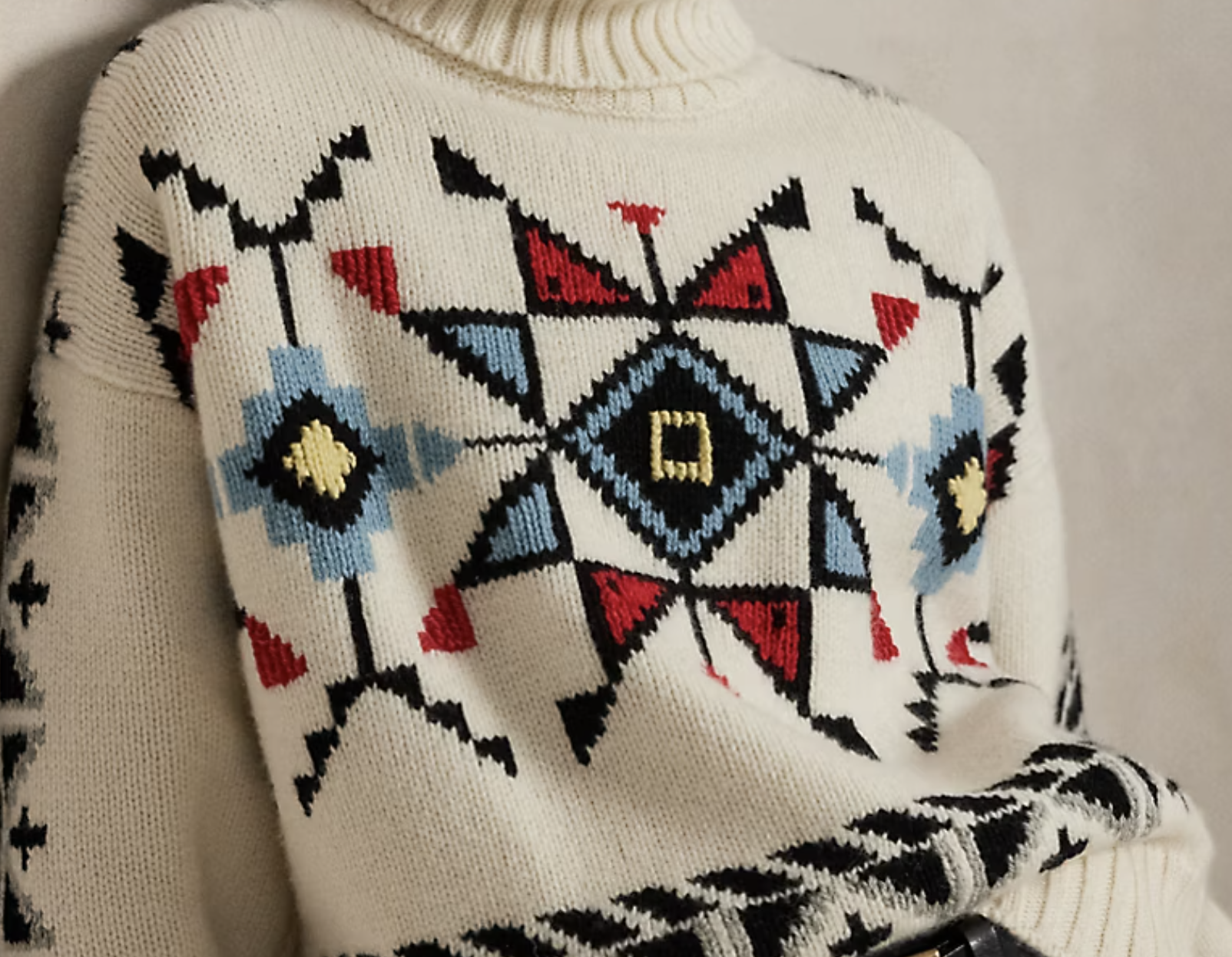
The TÓPA Intervention: A PLCFA Matrix Analysis of Moral Weight and Functional Endurance in the Polo Ralph Lauren Sphere
In the contemporary luxury landscape, value is often trapped in the Zero-Sum Pivot—a recursive economic loop where capital exchange generates no new cultural value, only the redistribution of existing status markers. The luxury object risks becoming a mere token of access, suffering from Semantic Decay if its cultural signifiers are hollow or severed from their source. The PLCFA (Proprietary Luxury Critical Functional Analysis) Matrix posits that true luxury requires Functional Endurance, defined not just as material durability but as the durability of the meaning encoded within the object. The TÓPA collaboration, framed within the Polo Ralph Lauren Sphere, demands rigorous interrogation because it attempts to rupture this zero-sum logic by moving from the performative representation of heritage to a verifiable index of Moral Weight Per Material (MWPM).
The investigation must determine if this collaboration represents a genuine pivot toward Design with Intent, or if it is merely the Spectacle absorbing its critics, a phenomenon explored in The Missing Mass. By explicitly grounding its aesthetic in Oceti Sakowin cultural craft and tethering its economic output to the Thunder Valley CDC’s Lakota Language Initiative, the project provides a measurable case study in MWPM Maximization. We dissect the material bifurcation—from the mass-produced Intarsia Knit to the high-MWPM Hand-Beaded Accessory—to evaluate how the collaboration directly converts consumer capital into crucial cultural capital, achieving a Functional Luxury Object that sustains the very culture it celebrates.

Why Traditional Luxury's "Root Marketing" Fails to Purchase Moral Capital
The global luxury sector is currently staging a Simulacrum of Resistance, a frantic, industrial-scale performance of ethics designed to obscure a fundamental epistemological collapse. We define this counter-strategy as Root Marketing: the commodification of origin stories—the quarry, the atelier, the harvest—deployed not to reveal truth, but to manufacture a flawless alibi for continued extraction. Legacy houses like LVMH and De Beers are engaged in a Zero-Sum Pivot they cannot survive, attempting to purchase Moral Capital through greenwashing campaigns while structurally refusing to bear the Cost of Intention. By analyzing initiatives from LVMH's "Life 360" to Cartier's "Grain de Café," this report exposes their foundational error: value is no longer found in the Flawless Geometry of the commodity, but in the Fissure of the "Custodian's Contract".
The failure of Root Marketing is evident in the industry's refusal to honor the object's longevity, substantiated by "repair horror stories" that reveal a Warranty of Obsolescence and the Thanatopolitics applied to vintage items. This structural dishonesty—where flawless bags are produced by flawed systems—is a legal and ethical liability that the Post-Growth Citizen is actively punishing. The era of fluff marketing is over; the Zero-Sum Pivot demands data. Any brand refusing to adopt the scathing metric of Quantified Moral Capital (MWPM)—which exposes how Speculative Velocity destroys true value—is merely selling a "luxury" that is, in fact, a toxic liability.
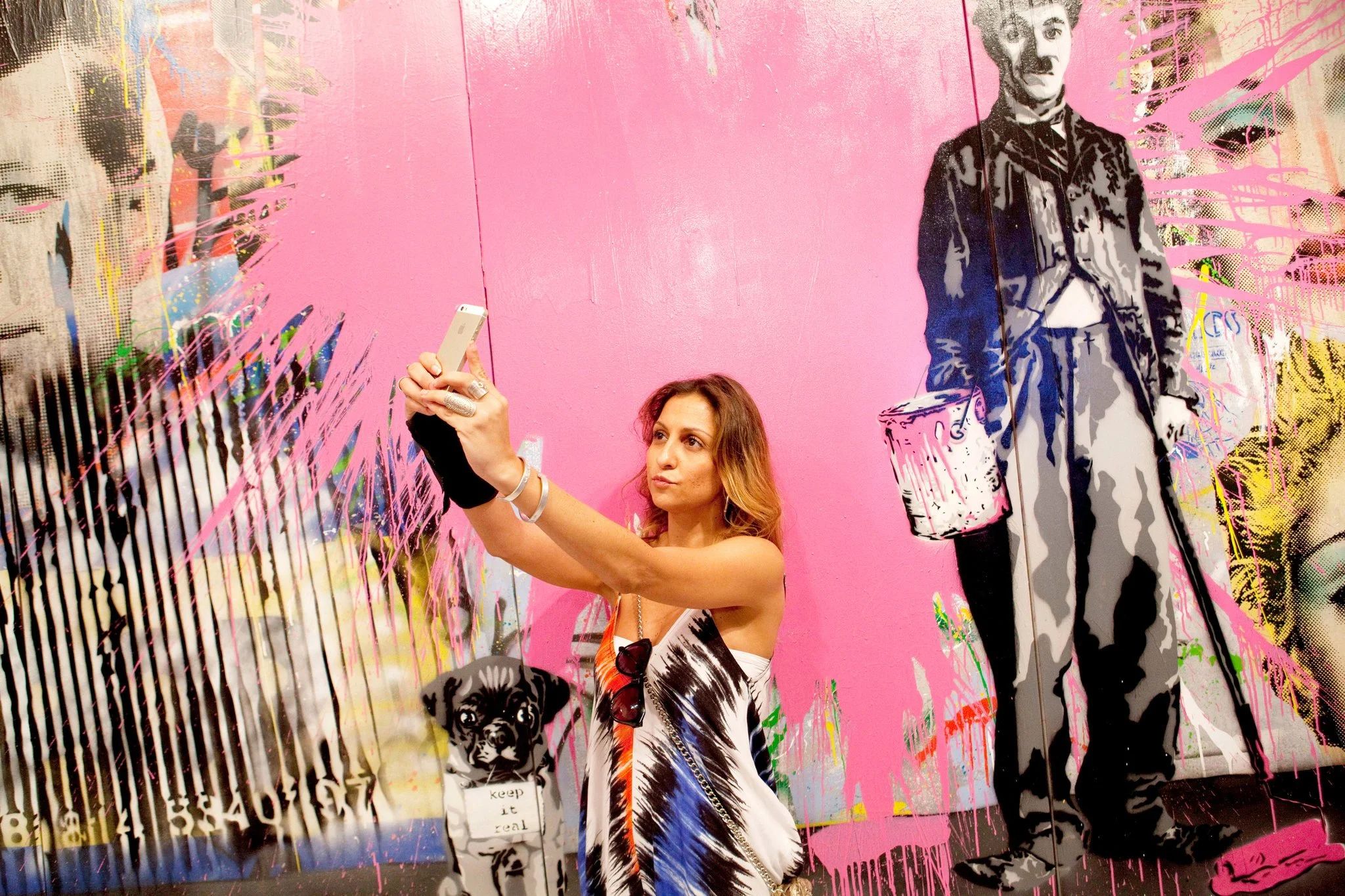
The Simulacrum of Status: Why Art Basel Value Resists the VIP Image
We are currently witnessing the ontological sclerosis of the global luxury apparatus, as evidenced by the contraction of the high-end market. We stand at the collision point of two irreconcilable value systems: the Deep Materiality of the singular artifact—as codified by the Objects of Affection Collection—and the Hyperreal Circulation of the digital image. This study posits that the current mechanisms of art valuation are self-immolating, arguing that the VIP Image—that low-fidelity, viral, social-media-optimized documentation of consumption—is not a mere byproduct of the art fair, but an active agent of devaluation. It is a solvent that dissolves the Aura of the work, reducing the masterpiece to a prop in a theater of performative status.
The Objects of Affection framework offers the only viable exit strategy from this hyperreal loop. The path forward lies in inverting the logic of the fair by replacing speed with stasis, and speculation with provenance. By re-anchoring value in the One Original Principle, enforcing the Phygital Counter-Strategy, and embracing the Monastic Veto, the collector can transition from a consumer of signs to an architect of meaning. The future of luxury does not lie in the stampede of the VIP opening; it lies in the slow curation of a singular existence.