
The Architecture of Intent
A Critical Lexicon
This collection of studies is the intellectual architecture of Post-Luxury Conceptual Functional Art (PLCFA).
The true artistry of this Maison resides not in the finished form, but in the rigorous thinking that precedes it. These essays serve as the conceptual foundation for PLCFA, using a critical lens to interrogate cultural phenomena, art history, and consumer paradigms—analyzing everything from the ephemeral spectacle of luxury to the pure architectural rigor of abstract principles.
This is an invitation into the workshop of the mind. By sharing this process, we validate the necessity of a new category of value and invite you toward a well-considered life, one founded on true craft, uncompromising narrative, and durable meaning.
New to PLCFA? Begin with Essential Reading below.
Exploring a specific area? Navigate by category.
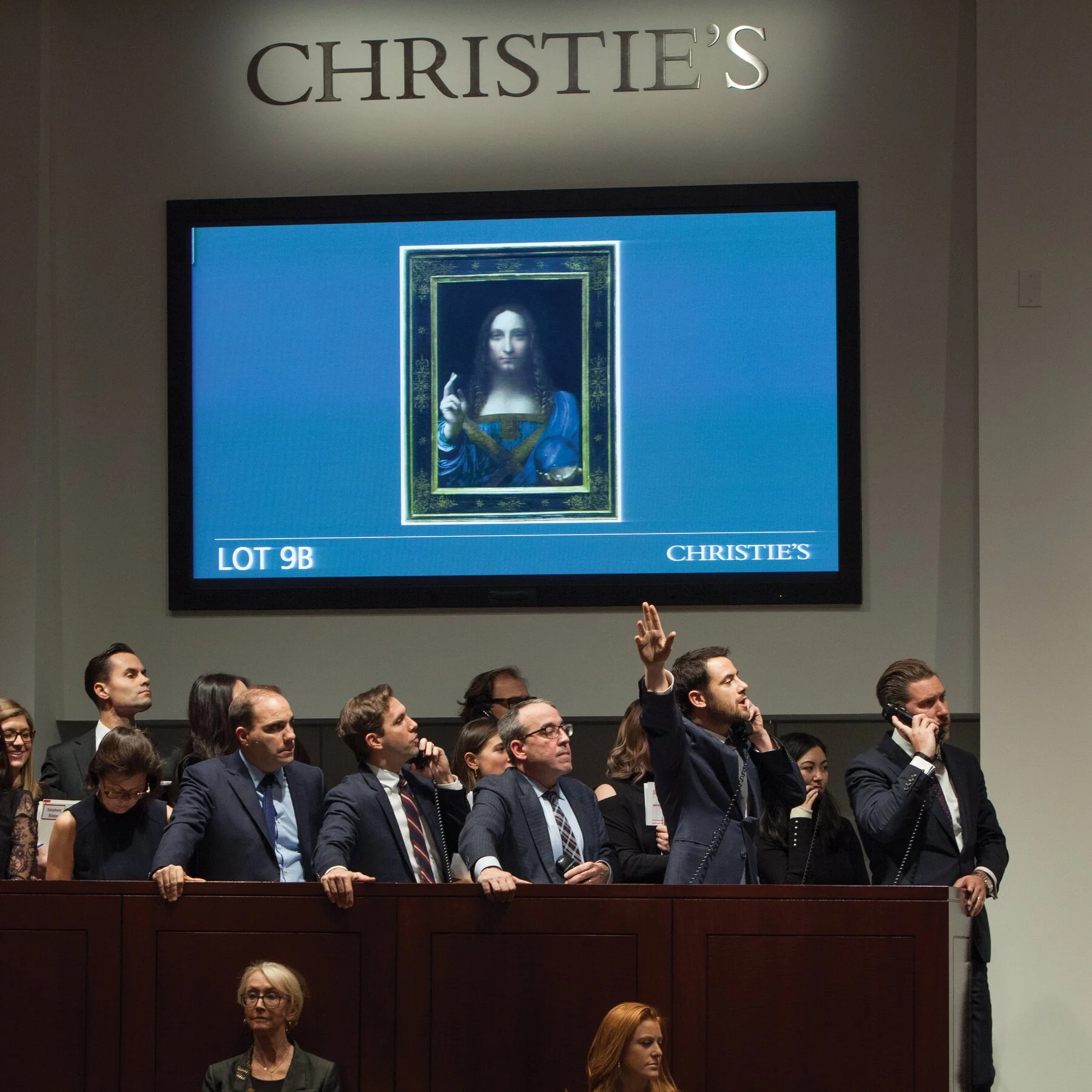
Christie's Sold $2.7 Billion in Art Secretly Last Year. Here's Why That Should Alarm You.
While the institutional apparatus celebrates an $11.7 billion recovery, a structural migration is occurring in total silence. Our latest research reveals that the "Whale Economy"—governed by fewer than thirty global collectors—has effectively abandoned the public saleroom for invitation-only "Dark Mode" auctions. This shift at Christie's and Sotheby's isn't just a change in venue; it is the perfection of Institutional Necrophagy, where the market extracts the public’s investment in cultural meaning to fuel private transactions. Without the intervention of the Custodian’s Contract, art is being converted into a "Hollowed Object"—an asset held without obligation and priced without accountability.
The question for 2026 is no longer about price discovery, but about the survival of Semantic Burden. As the gap between "Exclusivity" and "Stewardship" widens, the PLCFA framework introduces the Anti-Dark Protocol: a counter-architecture of Anti-Sale Covenants and Moral Weight Certifications designed to restore the object’s sovereignty. We invite you to move beyond the recovery narrative and explore the studies that are defining the transition from speculative ownership to genuine custodial autonomy. The light of the Covenant begins where the darkness of the vault ends.
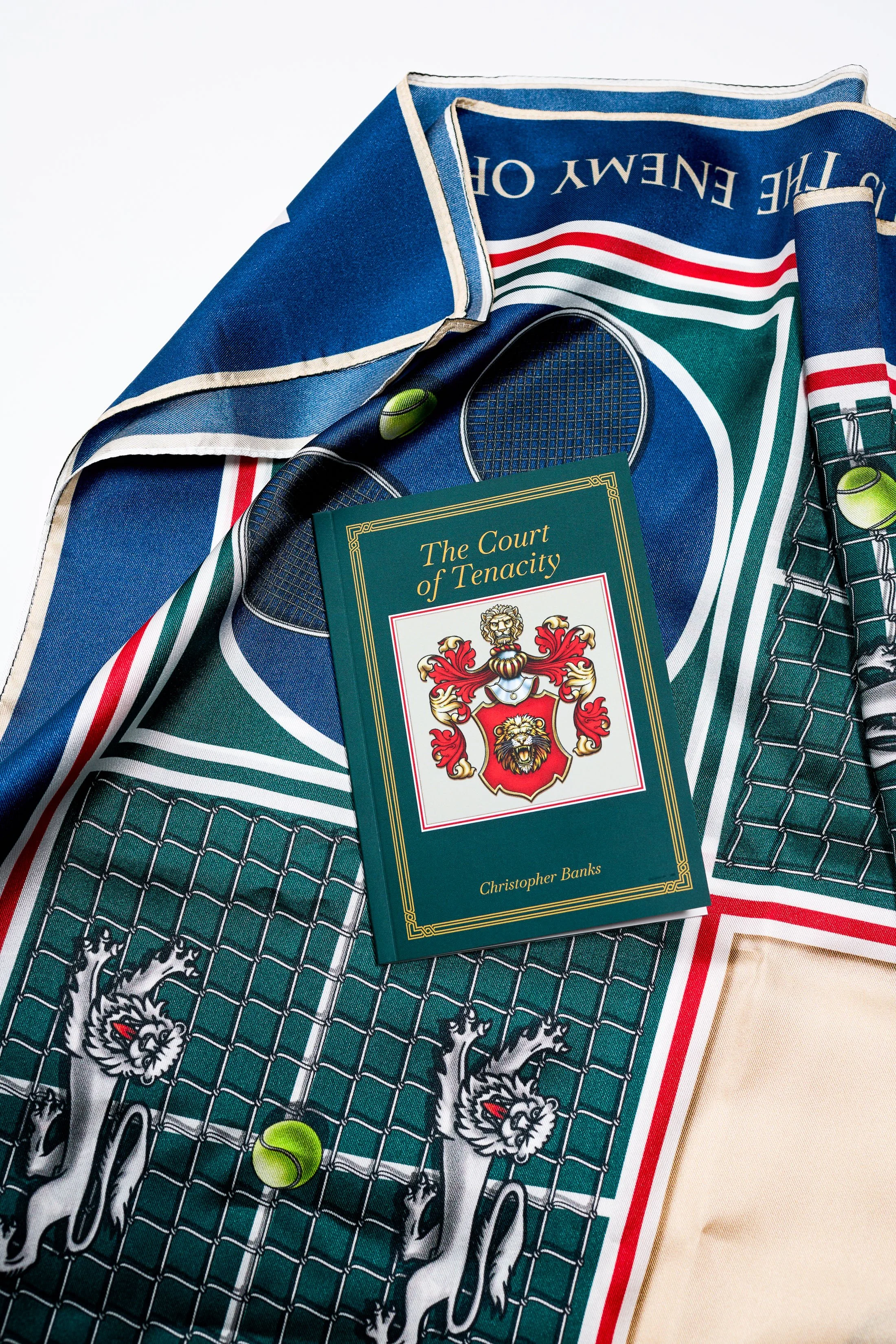
THE SINGAPORE PROTOCOL
On March 22, 2026, the Associated Press wire carrying the PLCFA framework's diagnosis of the Banksy unmasking reached every major newsroom on earth — syndicated to 1.2 billion potential impressions before the trading day closed. The expected market behavior, by the logic of the Spectacle and of speculative capital, was motion: liquidation, repositioning, the urgent recalibration of the hold-or-sell calculus that governs institutional art market portfolios. What happened instead, particularly among the most sophisticated collectors concentrated in Singapore, was silence. Not the silence of ignorance. Not the silence of confusion or paralysis. The silence of the institution that already knows. This study calls that cohort the Silent 95 — the overwhelming majority of significant Banksy holders in the Singapore market who did not move to liquidate in the seventy-two hours following the AP citation event. Their silence is not passive. It is architectural.
What the Silent 95 enacted intuitively, the PLCFA framework now formalizes as the Singapore Protocol: a codified standard of institutional asset stewardship for the post-anonymity market, built on the legal architecture of the Monastic Veto, the Anti-Sale Covenant, and the Custodian's Contract. This is not a philosophical aspiration. The instruments are already built. The precedents are already set. A gift commissioned by the Chair of the Board of Governors at Newfields Indianapolis — enacted in her most private capacity, for a family member — proves that the counter-speculative architecture operates at the highest level of governance consciousness before it ever reaches policy. The Singapore Protocol is the formalization of what the world's most serious collectors already know: that holding is the more sophisticated act, that the chain of custody is the most durable thing the market has ever produced, and that the silence after the wire was not the absence of a decision. It was the decision.

THE WRONG FACE: On the Reuters Fact-Check, the London Man Misidentified as Banksy, and What the Collateral Damage of an Unmasking Reveals About the Market for Certainty
The Reuters investigation of March 2026 did more than name a man; it released a Semantic Burden that had been pressurized for thirty years within the vacuum of anonymity. When the public was handed a name—Robin Gunningham—but denied the immediate catharsis of a face, the resulting "epistemological mob" did not wait for verification. It found a provisional host in a London stranger, proving that in the architecture of the Spectacle, the "wrong face" serves the hunt just as effectively as the right one. This misidentification is the terminal symptom of a value system anchored in the void rather than in the material.
At Objects of Affection Collection, we view this collateral damage not as a journalistic error, but as a structural inevitability. Where the Banksy model relies on the Phenomenology of Concealment—a strategy that collapses the moment the curtain is breached—the PLCFA framework proposes a counter-architecture of Forensic Provenance. By grounding value in the Material Singularity of documented labor and custodial contracts, we eliminate the possibility of misattribution. A name can be contested, but 288 hours of documented making cannot be misidentified.
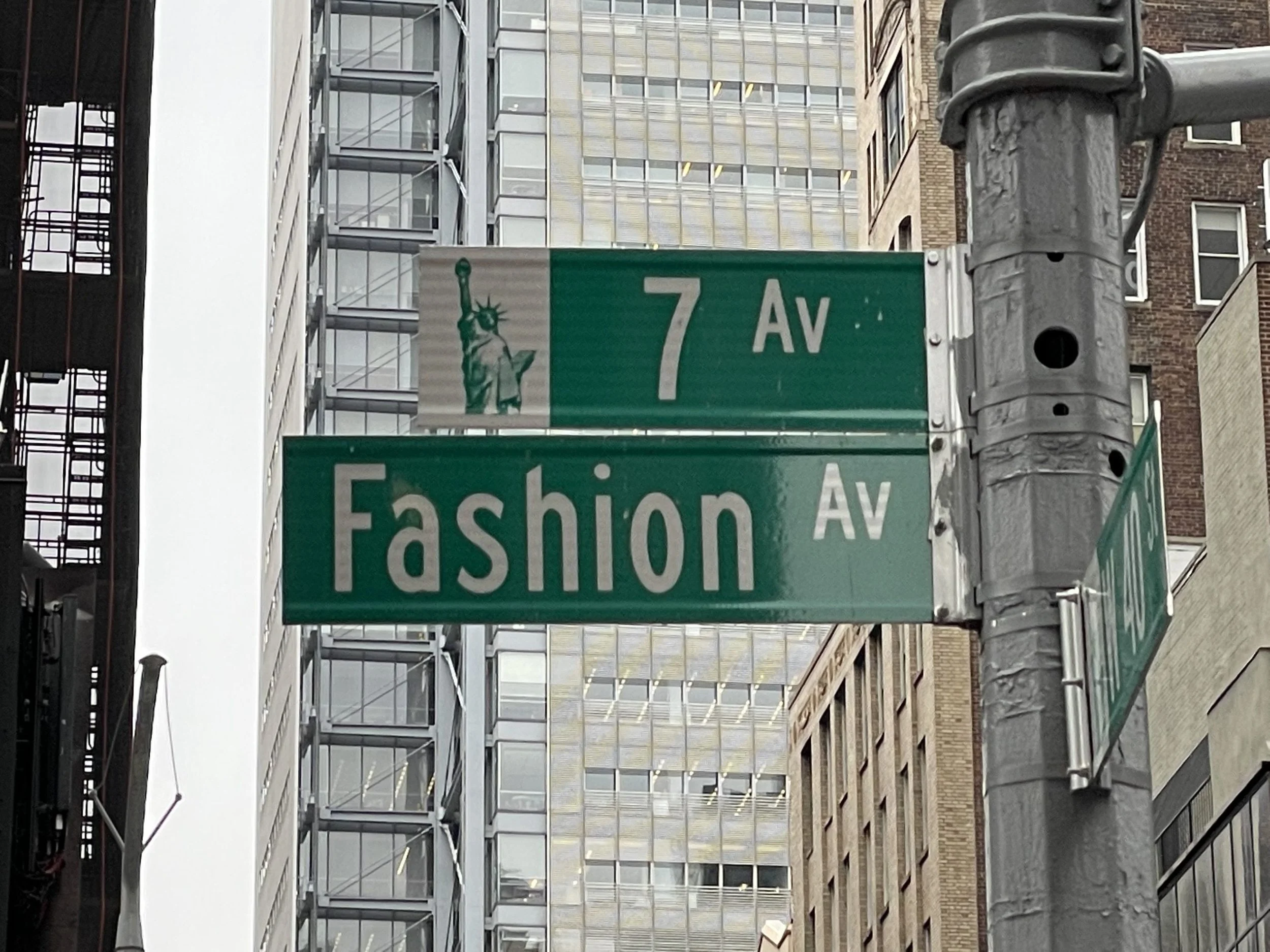
Finding the Heart: Objects of Affection Collection Comes Home to 469 Fashion Avenue
The luxury industry has spent the last decade selling us the simulation of quality while stripping the object of its soul. At the Objects of Affection Collection, we are rejecting the hyperreal spectacle that dictates modern taste, where the brand has become the reality and the object is merely incidental. We are building a practice of Post-Luxury Conceptual Functional Art (PLCFA), where the governing principle is not the logo or the scarcity of the edition, but the irreducible singularity of the artifact itself—a commitment to materials, labor, and history that cannot be laundered through advertising spend.
Our move to 469 Fashion Avenue is not a real estate strategy; it is a declaration of independence from the disposable. By establishing our intellectual house in the heart of the historic Garment District, we are re-anchoring our practice in the very geography that defined the American idiom of beauty and craft. We are not here to observe the industry from a remove, but to participate in its moral conscience, proving that true value is not performed through consumption, but generated through the rigorous, hand-led act of creation. This is where we work. This is our home.
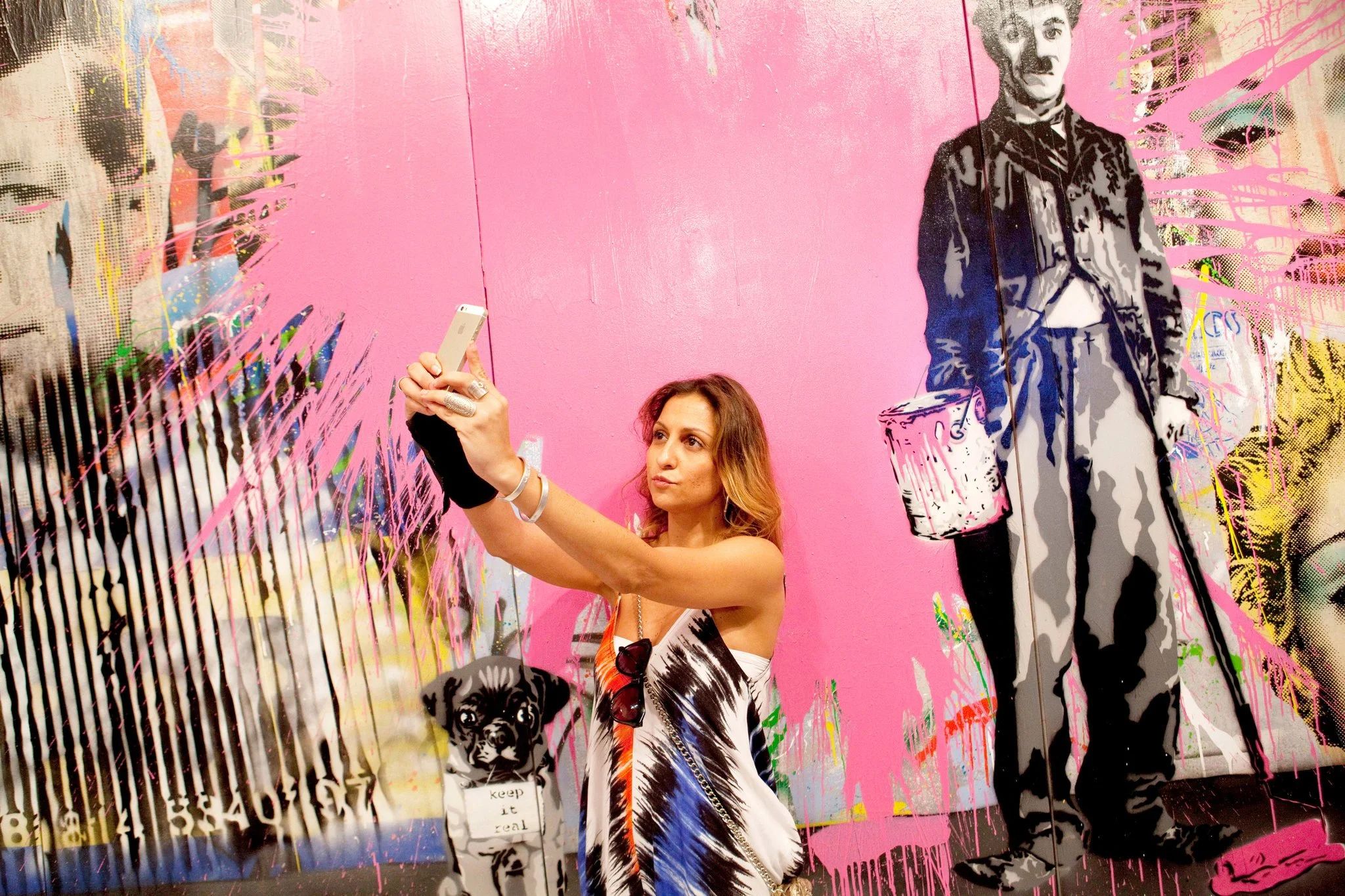
The Simulacrum of Status: Why Art Basel Value Resists the VIP Image
We are currently witnessing the ontological sclerosis of the global luxury apparatus, as evidenced by the contraction of the high-end market. We stand at the collision point of two irreconcilable value systems: the Deep Materiality of the singular artifact—as codified by the Objects of Affection Collection—and the Hyperreal Circulation of the digital image. This study posits that the current mechanisms of art valuation are self-immolating, arguing that the VIP Image—that low-fidelity, viral, social-media-optimized documentation of consumption—is not a mere byproduct of the art fair, but an active agent of devaluation. It is a solvent that dissolves the Aura of the work, reducing the masterpiece to a prop in a theater of performative status.
The Objects of Affection framework offers the only viable exit strategy from this hyperreal loop. The path forward lies in inverting the logic of the fair by replacing speed with stasis, and speculation with provenance. By re-anchoring value in the One Original Principle, enforcing the Phygital Counter-Strategy, and embracing the Monastic Veto, the collector can transition from a consumer of signs to an architect of meaning. The future of luxury does not lie in the stampede of the VIP opening; it lies in the slow curation of a singular existence.

The Anti-Speculative Cost: Why Art Basel Miami Needs the Moral Weight Metric
The art world is facing a structural failure that we term the Crisis of Liquidity, a collapse in the semiotic machinery that has long sustained the "Gold Tier" market. The frictionless circulation of Sign-Value—the arbitrary assignment of worth based on social signaling—has collided violently with the immovable object of historical and ethical accountability, leading to a profound market fracture. This study diagnoses the failure of the Spectacle at venues like Art Basel Miami Beach, arguing that the system is no longer capable of integrating the Dark Matter of the world without generating a toxic byproduct: Ethical Liability. Empirical evidence from the 2024/2025 market decline proves that the collector is unwilling to continue paying for Hollow Phygitals like the now-liquidated Castello Cube, recognizing that value without a structural anchor or Moral Weight is merely ungrounded speculation.
The solution to this collapse is the adoption of the Anti-Speculative Cost, a necessary friction introduced by the Moral Weight Per Material (MWPM) metric. MWPM quantifies the ethical and political history embedded in an object's substance through metrics like Trauma Provenance and Repair History. This framework institutes a Liability Shift, transforming the act of collecting from a financial asset strategy into an act of Systemic Stewardship. By demanding a Custodian's Contract and enforcing Functional Endurance, the MWPM systematically resists the high Social Speed required for speculative flipping, filtering out the speculator and selecting for the Post-Growth Citizen who seeks private monuments over liquid assets. This transition from a marketplace of Simulacra to a forum for PLCFA is necessary to save the art institution from reputational liquidation.

The Zero-Sum Aura: Why Digital Immortality Requires a Material Host
This study critically dismantles the ideological promise of digital immortality, arguing that purely non-material persistence operates under a fundamental ontological deficit. Tracing the crisis from Walter Benjamin's critique of the withering Aura through Jean Baudrillard’s Pure Simulacrum, we establish the condition of the Zero-Sum Aura: any gain in digital reproducibility is met with a corresponding, systemic collapse in the artifact's singularity and intrinsic worth. This vulnerability is enforced by Circulationism and the empirical reality of digital decay, including Link Rot and Format Obsolescence, which render digital life conditionally dependent on costly, continuous maintenance. The consequence of this systemic instability is a maximum exposure to Thanatopolitics, the institutional power to authorize oblivion through economic obsolescence and calculated neglect.
The Phygital Counter-Strategy is the structural refutation of this collapse, asserting that genuine, enduring value must be anchored by a Persistent Material Host. Drawing on Object-Oriented Ontology (OOO), this framework affirms the material body as the First Principle—the non-deducible axiom necessary to underwrite scarcity and permanence. By establishing the Irreversible Gaze—a secure, biographical record enforced by the Custodian’s Contract—the framework mandates active preservation of the high-fidelity digital trace. Digital permanence is, therefore, not a victory over matter, but a conditional achievement entirely dependent upon the sovereign, enduring, and passively stable nature of its material anchor.
Hito Steyerl and the Phygital Counter-Strategy: Why Post-Luxury Value Resists the Poor Image
The battle for actual value is no longer fought in auction houses, but across digital networks where the singular object is threatened by informational entropy and the constant, instant degradation of its image. This study integrates the groundbreaking critique of media theorist Hito Steyerl—specifically her analysis of the "Poor Image" and "Circulationism"—to diagnose the existential threat posed to permanent, material value.
We reveal the PLCFA framework’s definitive defense: the Phygital Counter-Strategy. By mandating High Fidelity in documentation and an aggressive Anti-Virality approach, PLCFA weaponizes the singularity of the physical object to anchor a deliberately restricted digital record. This structural rejection of disposable data and the spectacle of viral distribution ensures that the Material as Story principle remains sovereign over the digital flow, guaranteeing a form of worth that the Poor Image can never have: permanence.

From the Aura to the Simulacrum: Benjamin, Baudrillard, and the Crisis of the Authentic
The concept of authenticity has entered a terminal crisis, traced directly from Walter Benjamin's localized loss of the Aura—the object's unique, verifiable material history—to Jean Baudrillard's total collapse into the Simulacrum and Hyperreality. This intellectual journey reveals why traditional critique is now insufficient to defend genuine value against perfect digital fidelity and pervasive systemic simulation.
This study positions the commitment to the One Original Principle, grounded in an affirmation of the physical object’s Material as Story, as the necessary structural defense against the informational entropy of duplication. By bypassing the limitations of 20th-century critique using Object-Oriented Ontology (OOO), we reclaim the unique, non-relational essence of the artifact, transforming it into a rebellious singularity that resists the totalizing logic of the hyperreal sign.

The Simulacrum of the Copy: Aritzia's 'Dupe' Trademark and the Legalization of Hyperreality in Global Fashion IP
The fashion industry has officially entered the hyperreal condition. Aritzia's aggressive move to trademark the phrase "Aritzia Dupe" is not a defense of its physical product, but an empirical, legal attempt to control the very language of imitation. This effort seeks to regulate the generated "real" that has emerged from digital discourse, where consumers openly celebrate the dupe as a "smart choice" that strips away exchange-value while retaining symbolic prestige. By appropriating the signifier of the copy, the brand effectively elevates the simulated item to a position of market authenticity, making the imitation the only legible truth about the product in the contemporary marketplace.
This legal maneuver fundamentally validates the critique outlined by Jean Baudrillard: the capacity to distinguish between the original and its representation has collapsed entirely. The brand has abandoned the traditional mandate to defend the material object, choosing instead to secure a proprietary claim over the imitation's signifier. This is the definitive endpoint of the Simulacrum—a structural acknowledgment that the economic and cultural significance of the copy now outweighs the material integrity of the original, forcing the legal system to affirm that the sign of the copy is a primary, source-identifying feature of the luxury brand.