
The Architecture of Intent
A Critical Lexicon
This collection of studies is the intellectual architecture of Post-Luxury Conceptual Functional Art (PLCFA).
The true artistry of this Maison resides not in the finished form, but in the rigorous thinking that precedes it. These essays serve as the conceptual foundation for PLCFA, using a critical lens to interrogate cultural phenomena, art history, and consumer paradigms—analyzing everything from the ephemeral spectacle of luxury to the pure architectural rigor of abstract principles.
This is an invitation into the workshop of the mind. By sharing this process, we validate the necessity of a new category of value and invite you toward a well-considered life, one founded on true craft, uncompromising narrative, and durable meaning.
New to PLCFA? Begin with Essential Reading below.
Exploring a specific area? Navigate by category.
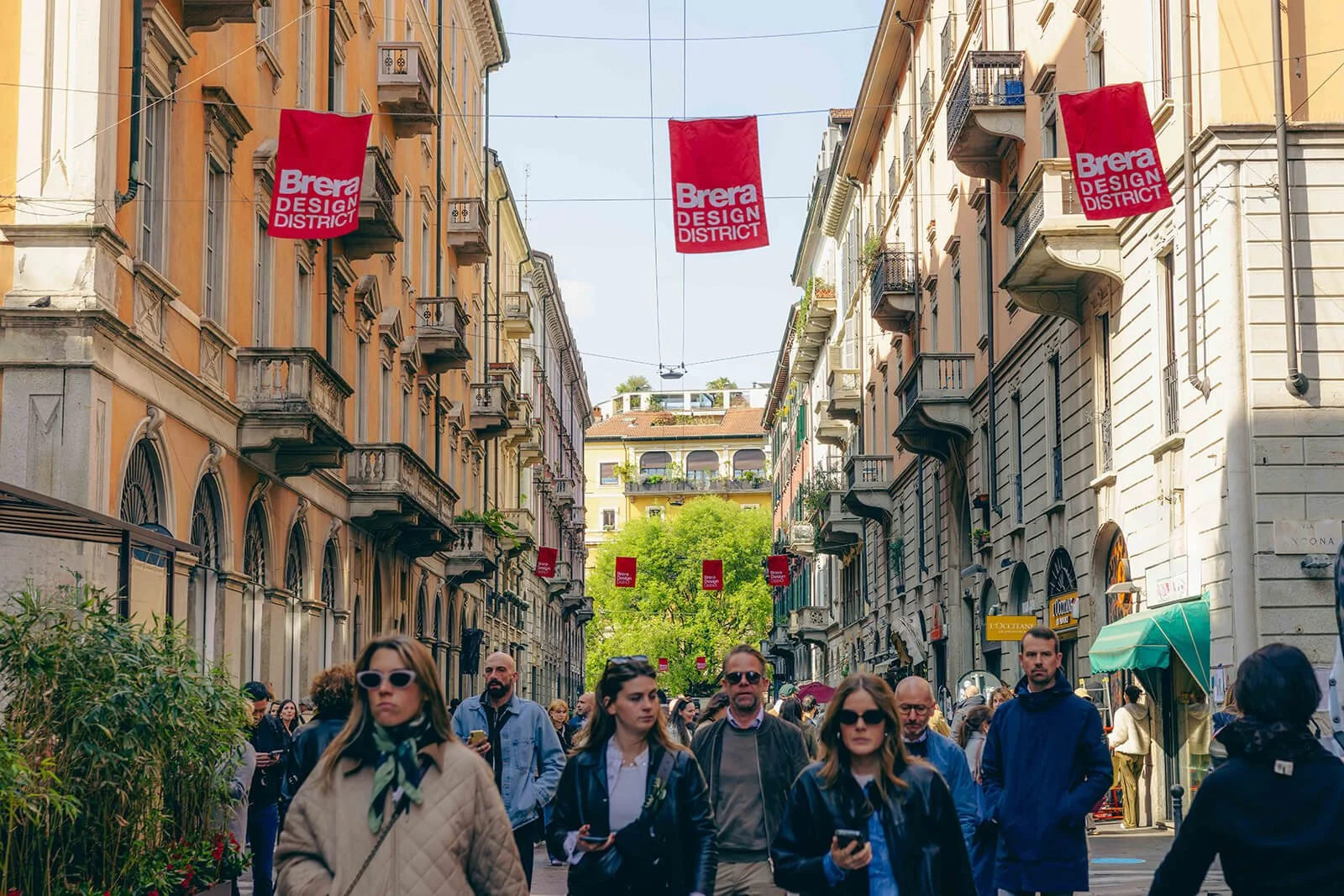
Milan Design Week 2026 Guide: Best Exhibitions at Salone del Mobile, Fuorisalone, and Through the Eyes of Objects of Affection
Milan Design Week 2026 arrives not as a celebration of novelty, but as a high-stakes investigation into whether an object can still carry meaning in an era of "frictionless" consumption. As the distinction between the industrial fairgrounds and the city-wide districts collapses, we are witnessing a profound market transition—from mass-manufactured décor to authored artifacts that serve as quiet witnesses to a composed life. This guide serves as the definitive protocol for navigating this shift, moving beyond the "Instagram trap" to find the rooms where material intelligence and ritual still endure.
Through the Objects of Affection lens, we dissect the essential stops that define this new landscape, from the debut of Salone Raritas to the immersive domestic archetypes of Nilufar. By prioritizing material seriousness over mere style, we have mapped a restricted itinerary through Brera, Alcova, and 5VIE that rewards attention rather than scale. For those seeking to understand how design constructs entire modes of being, this study provides the intellectual hinge required to separate branded noise from true cultural intent.
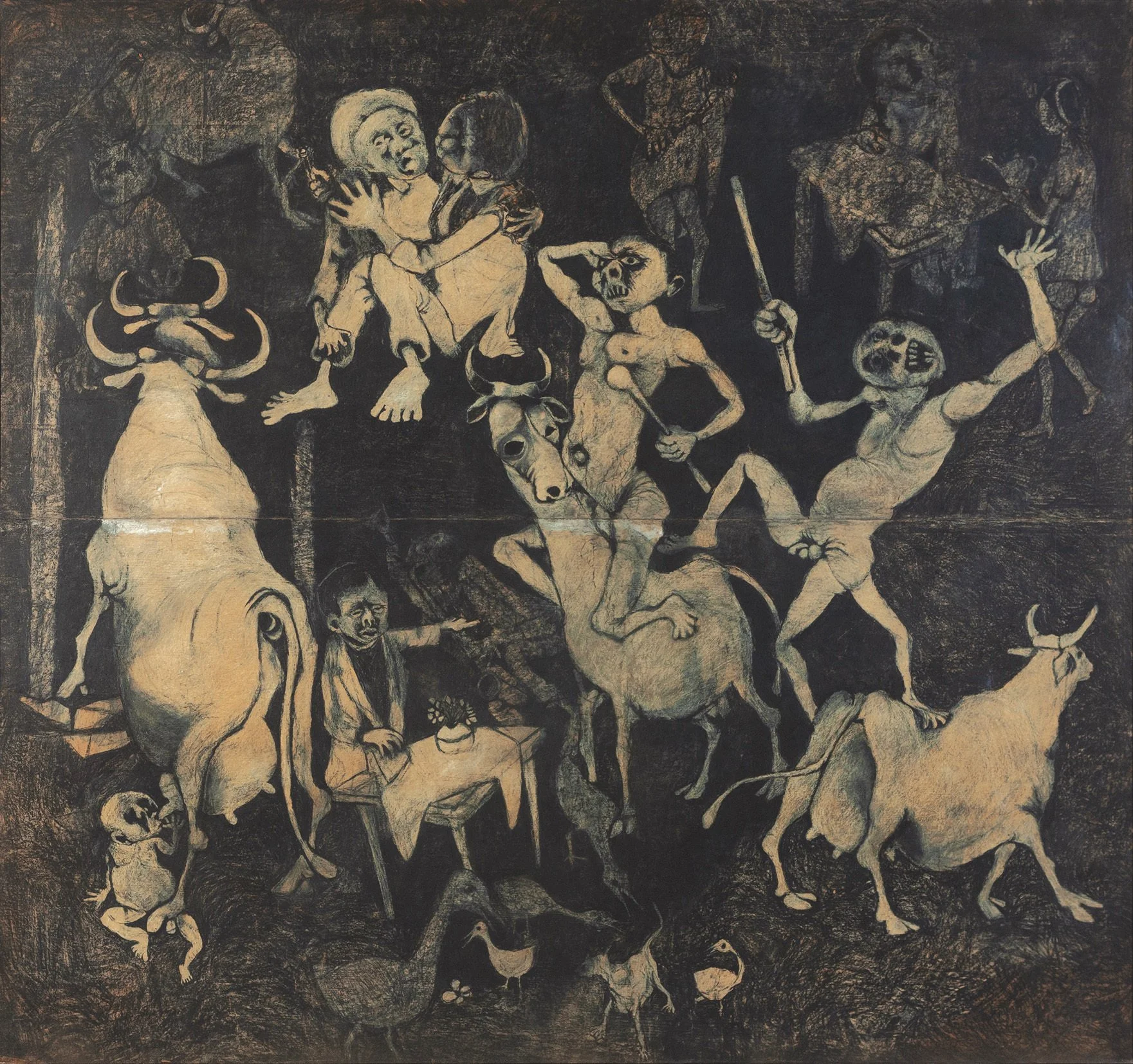
THE TYRANNY OF THE ARCHIVE
When Artnet announced a 13.3% surge in fine-art sales to $11.7 billion in 2025, the institutional apparatus celebrated a "recovery." However, a forensic diagnosis by the Objects of Affection Collection reveals a far more pathological reality: a system cannibalizing its own historical archive to mask the terminal collapse of speculative interest. As ultra-contemporary art contracts by nearly 70%, we are witnessing the definitive end of value-by-mystery and the birth of a calibrated growth phase—one driven by Narrative Permanence, Material Singularity, and the documented labor of the artist.
The Tyranny of the Archive ends here. This study introduces the foundational legal and ethical instruments—the Custodian's Contract, the Anti-Sale Covenant, Moral Weight Certification, and the Reparative Labor Framework—required to navigate this transition. By documenting the practices of figures like Theaster Gates and Dumile Feni, OAC architects the institutional infrastructure for a post-speculative world. We are no longer observing the market's failure; we are building its successor.
THE SINGAPORE PROTOCOL
On March 22, 2026, the Associated Press wire carrying the PLCFA framework's diagnosis of the Banksy unmasking reached every major newsroom on earth — syndicated to 1.2 billion potential impressions before the trading day closed. The expected market behavior, by the logic of the Spectacle and of speculative capital, was motion: liquidation, repositioning, the urgent recalibration of the hold-or-sell calculus that governs institutional art market portfolios. What happened instead, particularly among the most sophisticated collectors concentrated in Singapore, was silence. Not the silence of ignorance. Not the silence of confusion or paralysis. The silence of the institution that already knows. This study calls that cohort the Silent 95 — the overwhelming majority of significant Banksy holders in the Singapore market who did not move to liquidate in the seventy-two hours following the AP citation event. Their silence is not passive. It is architectural.
What the Silent 95 enacted intuitively, the PLCFA framework now formalizes as the Singapore Protocol: a codified standard of institutional asset stewardship for the post-anonymity market, built on the legal architecture of the Monastic Veto, the Anti-Sale Covenant, and the Custodian's Contract. This is not a philosophical aspiration. The instruments are already built. The precedents are already set. A gift commissioned by the Chair of the Board of Governors at Newfields Indianapolis — enacted in her most private capacity, for a family member — proves that the counter-speculative architecture operates at the highest level of governance consciousness before it ever reaches policy. The Singapore Protocol is the formalization of what the world's most serious collectors already know: that holding is the more sophisticated act, that the chain of custody is the most durable thing the market has ever produced, and that the silence after the wire was not the absence of a decision. It was the decision.

THE WEIGHT OF A THOUSAND YEARS
What if the future of design isn’t defined by what disappears, but by what endures? In an industry currently obsessed with the "graceful death" of biodegradable materials—mycelium leathers and algae foams—Joe Doucet and Bulgarian studio Oublier have proposed a far more radical intervention: an object that never needs to die. This study, produced through the critical lens of the Objects of Affection Collection (OAC), deconstructs the Columns collection as a structural counter-argument to planned obsolescence. By utilizing solid oak, natural leather, and horsehair—materials that accumulate value through a "Material Memory" of use—Doucet has crafted a millennial lifespan that challenges the very foundations of the mass-luxury market's economy of replacement.
To read this study is to confront the "Epistemology of Endurance" and the "Paradox of Forgetting" that defines Oublier’s practice. We explore how the visible hand-stitching and architectural economy of these pieces move beyond the photographic theory of value toward Regenerative Luxury—a model where an object’s biography is not an erosion of its worth, but an enlargement of it. From the 14th-century precedents of Exeter Cathedral to the legal frontiers of the Custodian’s Contract, this analysis reveals why the most sustainable act a maker can perform is the refusal of novelty. Discover why the Columns collection stands as a Spectacle-resistant artifact, proving that permanence is not a brand story, but a material commitment enforced by the weight of a thousand years.
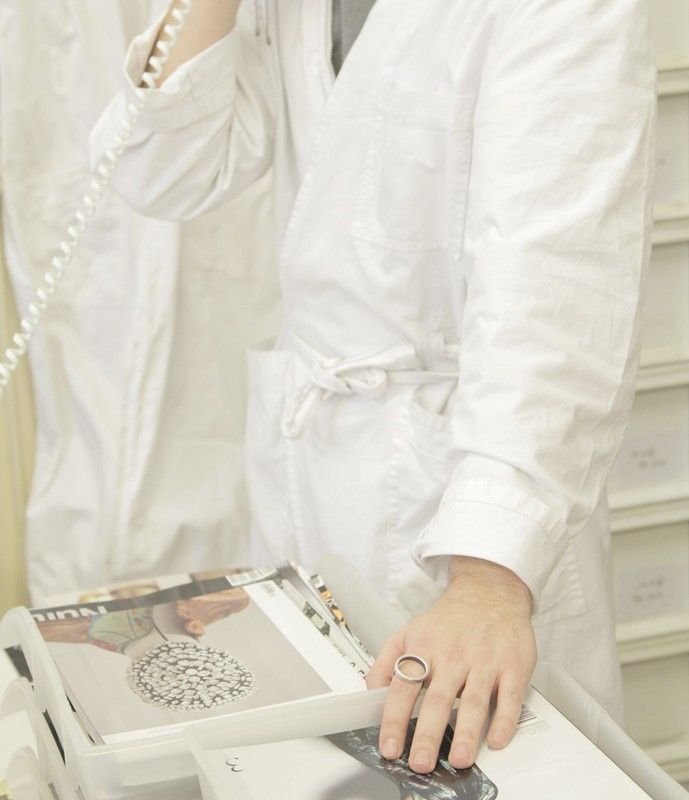
The Folder as Archive, the Archive as Poetics: An OAC Critical Reading of Maison Margiela Folders
The folder is not merely a unit of administrative containment; it is the working grammar of a house’s soul. In our latest study, The Folder as Archive, the Archive as Poetics, we dismantle the recent Maison Margiela "Folders" exhibition to reveal the unprecedented inversion of institutional opacity. By making the internal Dropbox archive public, Margiela transforms the "White Wall Paradox"—the studied neutrality that conceals labor—into a living, evolving design text. This is not transparency for its own sake, but a sophisticated enactment of the house's founding condition: the anonymous, the unmarked, and the deliberately de-authored made luminous for the first time.
Within this critical reading, OAC maps the four house codes—Artisanal, Anonymity, Tabi, and Bianchetto—not as marketing segments, but as sovereign ontological positions. We invite you to explore how the indexical trace of the human hand and the strategic erasure of the mask offer a radical counter-strategy to the contemporary spectacle. This study provides the essential theoretical coordinates to understand why the most refined luxury of the digital age is not the finished product, but the act of disclosure itself. Read the full inquiry to witness a house in the act of thinking.
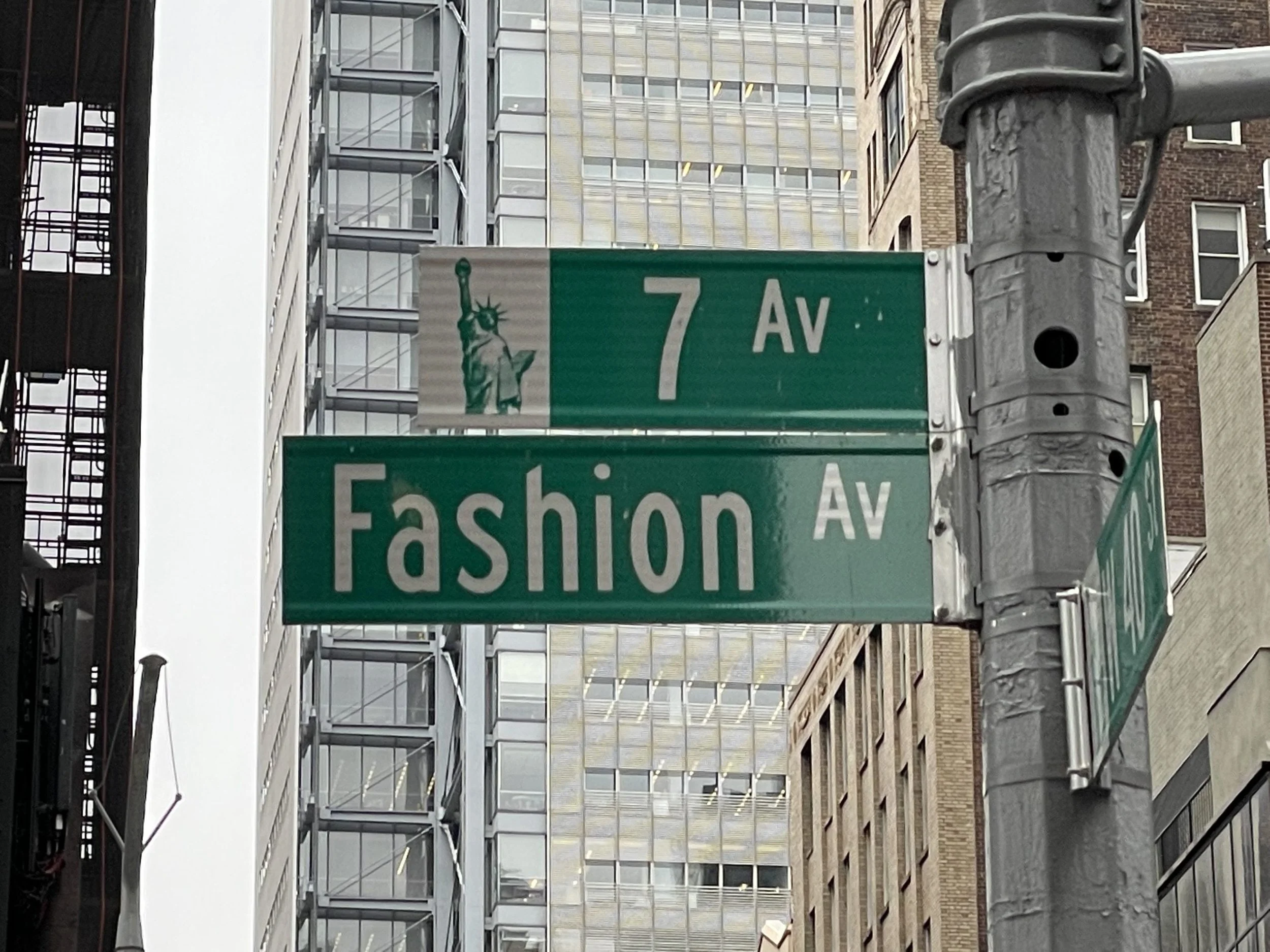
Finding the Heart: Objects of Affection Collection Comes Home to 469 Fashion Avenue
The luxury industry has spent the last decade selling us the simulation of quality while stripping the object of its soul. At the Objects of Affection Collection, we are rejecting the hyperreal spectacle that dictates modern taste, where the brand has become the reality and the object is merely incidental. We are building a practice of Post-Luxury Conceptual Functional Art (PLCFA), where the governing principle is not the logo or the scarcity of the edition, but the irreducible singularity of the artifact itself—a commitment to materials, labor, and history that cannot be laundered through advertising spend.
Our move to 469 Fashion Avenue is not a real estate strategy; it is a declaration of independence from the disposable. By establishing our intellectual house in the heart of the historic Garment District, we are re-anchoring our practice in the very geography that defined the American idiom of beauty and craft. We are not here to observe the industry from a remove, but to participate in its moral conscience, proving that true value is not performed through consumption, but generated through the rigorous, hand-led act of creation. This is where we work. This is our home.
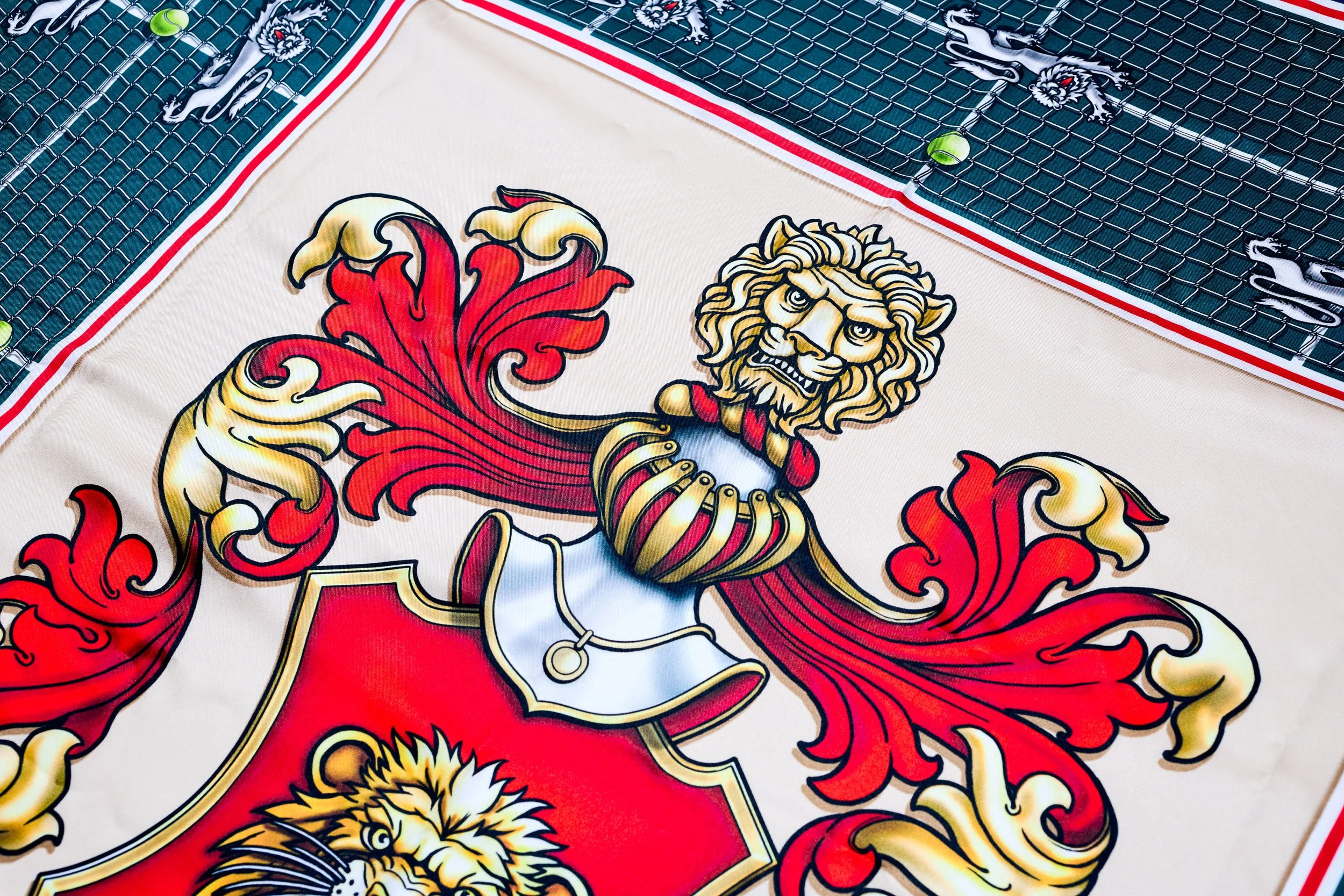
The Cost of Stewardship: Capitalizing on Patronage Validation and the Economics of Emotional Permanence
The Luxury Pyre and the Crisis of Meaning The twenty-first-century object exists in a state of profound ontological precarity. While industrial conglomerates sacrifice billions in "end-of-season burns" to protect their market price, the soul of the artifact has been systematically hollowed out—leaving behind a price tag without a narrative and a possession without a soul. This study diagnoses the existential fracture in the luxury market and proposes a radical correction: the rejection of the liquid asset in favor of the Burden of Preservation.
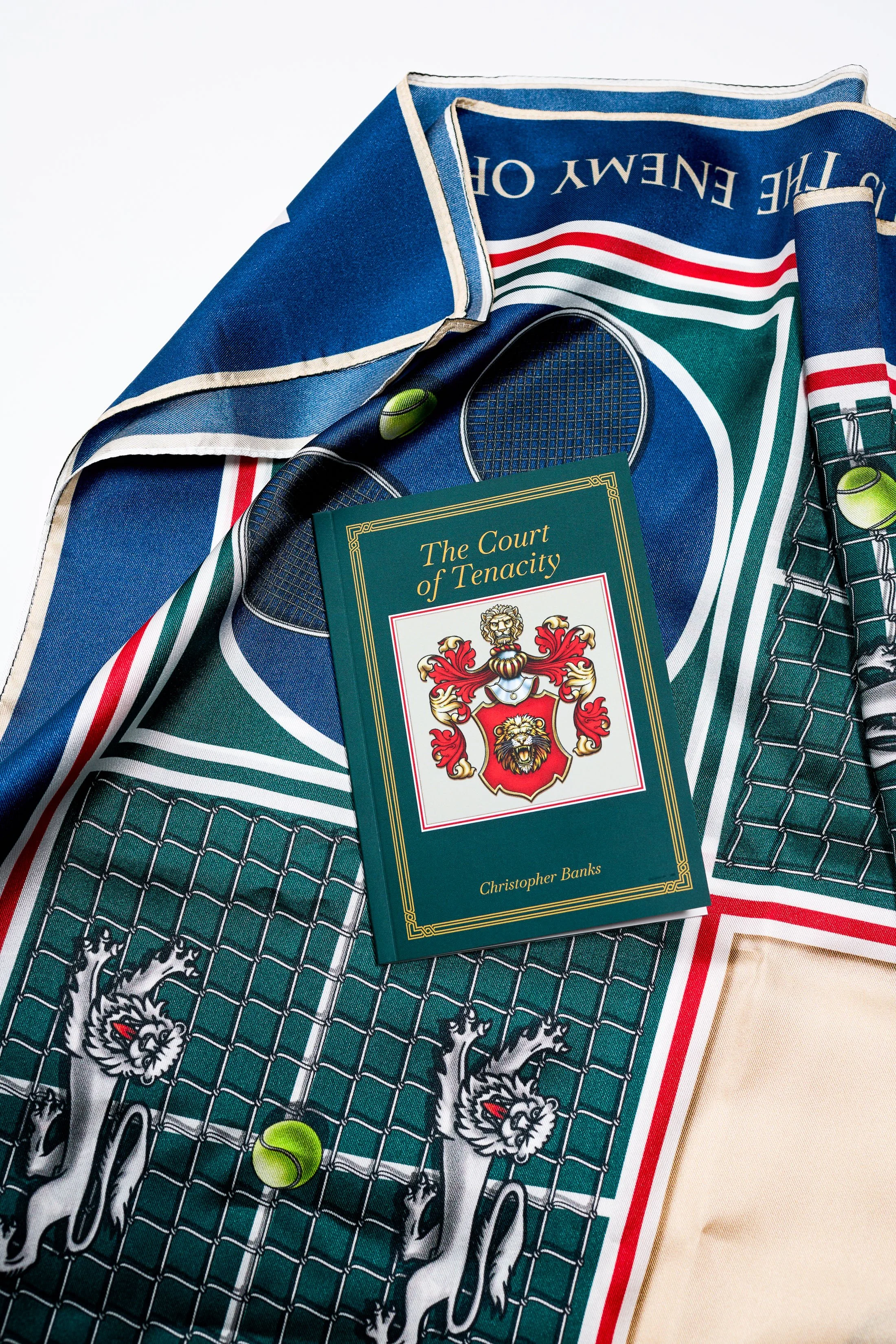
From Consumer to Cultural Custodian Utilizing The Court of Tenacity—a "One Original" commissioned for the leadership at Newfields—this inquiry formalizes Patronage Validation as the definitive metric for the post-luxury age. By merging the forensic documentation of Eric Lubrick with a 1,825-day Anti-Sale Covenant, we move beyond the vague aesthetics of "quiet luxury" into a precise economic framework. Discover how the Cost of Stewardship transforms a physical artifact into a site of resistance against the Archival Death Mandate, securing emotional permanence in a world of radical ephemerality.

The Materiality of Resistance: Post-Luxury Conceptual Functional Art and the Melt the ICE Hat Movement
The emergence of the hand-knit "Melt the ICE" hat in 2026 marks a definitive rupture in contemporary material culture, signaling the transition from the "simulacrum of resistance" to true Post-Luxury Conceptual Functional Art. Born from the trauma of the Minneapolis Midway Blitz, these red tassel caps—or nisselue—are not merely garments but "Scarred Objects" that carry a quantifiable Moral Weight. By reviving a 1940s Norwegian lineage of anti-fascist sartorial dissent, the movement reclaims the color red and transforms the act of "rage knitting" into a sophisticated mechanism for mutual aid and systemic stewardship.
This study introduces the proprietary metric of Moral Weight Per Material (MWPM), demonstrating how the value of an artifact can be decoupled from market volatility and anchored in ethical provenance. As the movement scales from the streets of St. Louis Park to global galleries, it challenges the traditional "White Cube" to evolve into a space of active custodianship. The Melt the ICE hat stands as a load-bearing wall of integrity, proving that in a post-luxury world, the most valuable objects are those that demand our protection, remember our history, and pay the rent for the space they occupy.
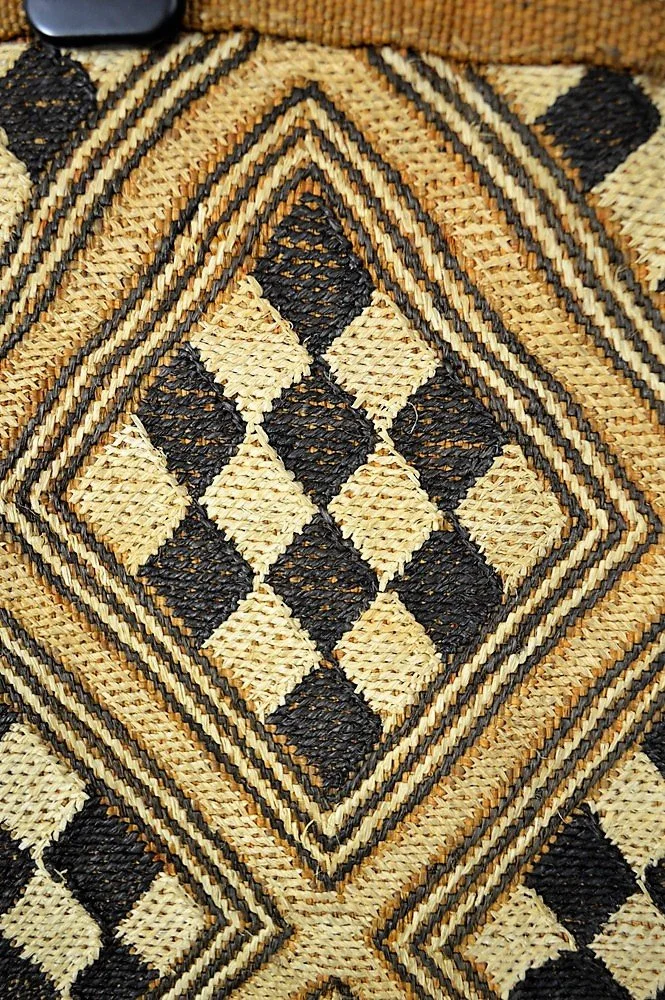
THE SHADOW OF THE LOOM: Semiotic Enclosure, Racial Capitalism, and the Architecture of Post-Luxury Reparation
The global luxury apparatus currently stands at a precipice defined by a second great detachment, where the financialized economy of the 21st century has alienated cultural signifiers from their ancestral origins. This study investigates the mechanism of semiotic primitive accumulation, a process where the multibillion-dollar valuations of European luxury brands are derived from the uncompensated enclosure of aesthetic commons. From the textile archives of the Kuba Kingdom to the sacred scripts of the Ekpe society, the industry draws its vitality from the Global South to fuel a Pattern Premium that values a mass-produced, vinyl-coated simulacrum at ten times the price of its handcrafted, culturally sacred original.
We must move beyond the critique of appropriation toward a definitive model of Reparative Stewardship. The "Object of Affection" in 2026 is one that acknowledges its debt, pays its rent, and heals the wound of its making through fractional repatriation. By utilizing blockchain-powered smart contracts to route heritage dividends back to originating communities, we can illuminate the Artistic Dark Matter that currently stabilizes the luxury galaxy. This report serves as a Truth and Reconciliation Commission for the world of objects, clearing the ground for a new architecture of value defined not by material exclusivity, but by the ethical depth of its provenance.

Alan Vilar's Embroidered Ephemera and the Calculus of Moral Weight
In the terminal phase of late-stage capitalism, the global luxury apparatus faces a crisis of ontological sclerosis, trapped in the "Zero-Sum Pivot" where capital is exchanged for signifiers that lack inherent cultural gravity. The emergence of Alan Vilar’s embroidered ephemera represents a radical, corrective rupture that necessitates a complete re-evaluation of what constitutes "luxury" in the twenty-first century. Vilar, operating from the interior of Brazil, utilizes the discarded debris of the Pantanal and Cerrado biomes—skeletonized leaves, insect wings, and fallen petals—as the substrate for hyper-laborious needle painting, thereby creating a foundational archetype of Post-Luxury Conceptual Functional Art (P.L.C.F.A.). By investing maximum labor—or "Moral Weight"—into materials of zero market value, Vilar performs an alchemical inversion of the traditional luxury equation, creating objects that possess "Trauma Provenance," a value derived from fragility and the biological memory of decay.
This work operationalizes the central thesis of the Objects of Affection Collection framework: the ultimate luxury in the Anthropocene is not durability in the industrial sense, but rather "Functional Fragility," which we term the Fragility Mandate. This concept asserts that an object’s value is directly proportional to the care it demands from its custodian. Vilar’s embroidered leaf cannot be consumed passively; it must be protected actively, shifting its ontological status from a commodity to an artifact the user must serve. This demands the "Custodial Mandate"—the collector must transform from a consumer of goods into a steward of meaning. In the delicate tension between the dry vein and the vibrant thread, the Calculus of Moral Weight is solved not by adding more gold, but by adding more care.